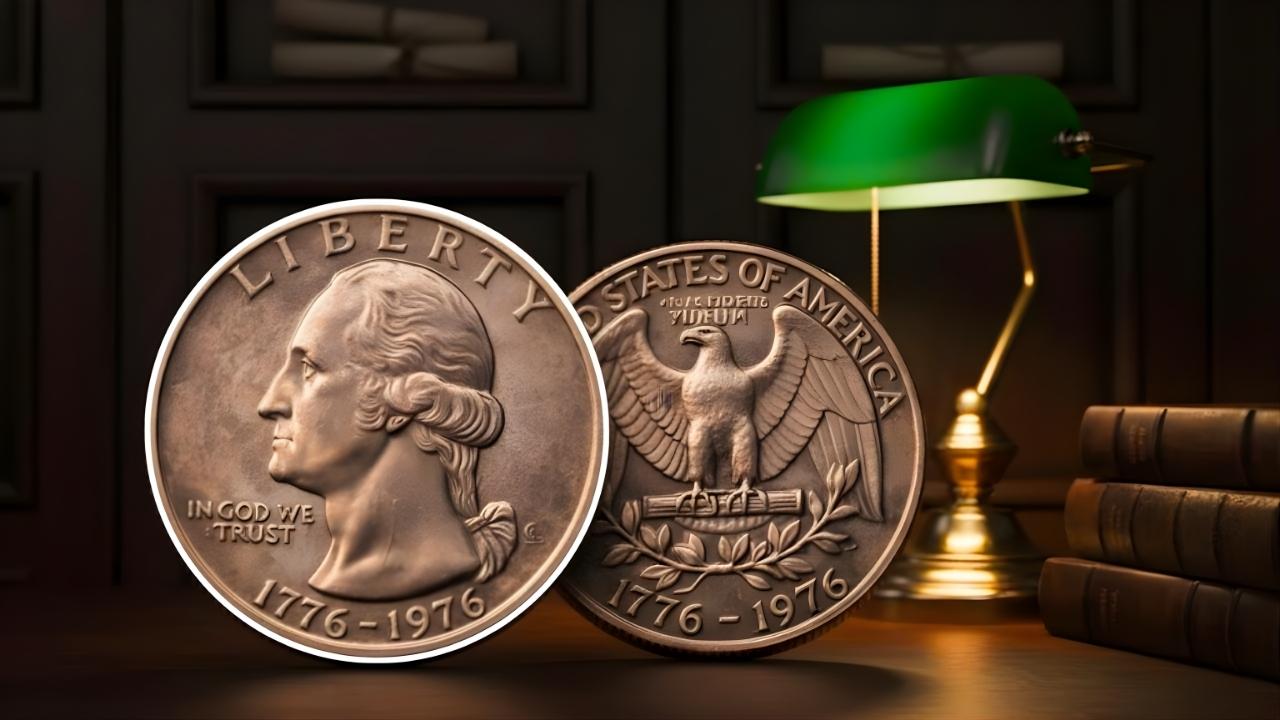
The 1776–1976 Bicentennial Liberty Quarter is one of the most recognizable U.S. coins ever issued. Created to commemorate 200 years of American independence, this special quarter stands apart from regular Washington quarters due to its dual date and unique reverse design. While millions were produced and most remain common, certain versions have gained strong interest from collectors. Silver content, proof finishes, and rare minting errors have pushed some Bicentennial Quarters far beyond face value.
Historical Significance of the Bicentennial Quarter
During the mid-1970s, the United States celebrated its Bicentennial with nationwide events, commemorations, and special coinage. The quarter was part of this historic program, along with special half dollars and dollar coins. Instead of using the standard eagle reverse, the U.S. Mint introduced a temporary design to mark the occasion. The dual date “1776–1976” symbolized the nation’s journey from independence to its 200th anniversary, giving the coin lasting historical appeal.
Unique Design Features That Define the Coin
The obverse of the Bicentennial Quarter continues the familiar portrait of George Washington, preserving continuity with earlier issues. The reverse design, however, is what truly defines the coin. It features a colonial drummer, a symbol of the Revolutionary War, alongside a torch of victory encircled by thirteen stars representing the original colonies. Designed by Jack L. Ahr, this reverse was used only for the Bicentennial issue, making it a one-time design in U.S. quarter history.
Mint Locations and Production Details
Bicentennial Quarters were struck at three U.S. Mint facilities: Philadelphia, Denver, and San Francisco. Coins from Philadelphia and Denver were produced primarily for circulation and use a copper-nickel clad composition. The San Francisco Mint focused on collector issues, producing proof coins and special 40 percent silver versions. Although overall production numbers were extremely high, not all Bicentennial Quarters were created equal, and some are far scarcer than others.
Standard Circulated Bicentennial Quarter Values
Most Bicentennial Quarters found in circulation today are worth face value. Their abundance keeps prices low, even decades after their release. However, examples that remain uncirculated can be worth more, especially if they show strong luster and no signs of wear. Coins preserved in original mint sets often sell for a few dollars, depending on overall condition and collector demand.
Silver Bicentennial Quarter Value Explained
Silver Bicentennial Quarters were never released into circulation and were sold directly to collectors. These coins contain 40 percent silver, giving them intrinsic value tied to precious metal prices. Even in average condition, silver versions are worth more than standard clad quarters. High-grade silver proofs, particularly those certified by professional grading services, can sell for noticeably higher prices in the collector market.
Proof Bicentennial Quarters and Collector Appeal
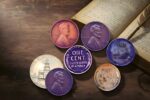
Proof Bicentennial Quarters are known for their sharp details and mirror-like finishes. Produced mainly at the San Francisco Mint, these coins were struck using polished dies and special planchets. When kept in original government packaging, proof quarters remain popular among collectors. Coins with deep contrast and minimal surface marks are especially desirable and tend to command stronger prices.
Rare Errors That Increase Bicentennial Quarter Value
The most valuable Bicentennial Quarters are often those with minting errors. Errors such as off-center strikes, double strikes, missing clad layers, and doubled dies are highly sought after. One of the rarest and most valuable errors involves Bicentennial Quarters struck on the wrong planchet, such as a dime or foreign coin blank. These unusual mistakes are extremely scarce and can sell for hundreds or even thousands of dollars depending on condition.
Why Condition and Grading Matter
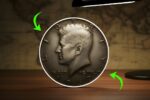
Condition plays a critical role in determining value. A well-preserved Bicentennial Quarter can be worth significantly more than a worn example, even if both are common varieties. Professional grading provides authentication and assigns a standardized grade, which increases buyer confidence. Coins graded Mint State 65 or higher, as well as pristine proof examples, often sell for a premium compared to raw, ungraded coins.
Market Demand and Long-Term Interest
The Bicentennial Quarter continues to attract interest due to its historical importance and unique design. While it is not rare overall, demand remains strong for silver versions, high-grade uncirculated coins, and genuine error pieces. Market values can fluctuate based on silver prices, collector trends, and overall economic conditions, but the coin remains a popular entry point for both new and experienced collectors.
Selling Prices in Today’s Coin Market
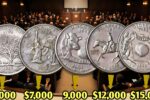
Current selling prices vary widely depending on type and condition. Circulated clad quarters usually sell for face value. Uncirculated examples may bring a few dollars, while silver proofs often sell in the $6 to $20 range. Rare error Bicentennial Quarters have achieved prices from several hundred dollars to well over $5,000 in documented sales, particularly when professionally graded.
Tips for Collectors and Sellers
Collectors should focus on learning how to identify composition, mint marks, and potential errors. Quality is far more important than quantity when building a collection. Sellers are encouraged to research recent sales, consider professional grading for high-quality coins, and work with reputable dealers or auction platforms. Proper knowledge can make the difference between overlooking value and maximizing returns.
Final Verdict
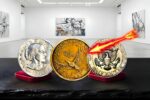
The 1776–1976 Bicentennial Liberty Quarter is more than just a commemorative coin; it is a lasting symbol of American history. While most examples remain common and affordable, silver editions, proof strikes, and rare errors can carry meaningful value. With careful evaluation and attention to condition, this iconic quarter can still offer surprising rewards for collectors and sellers alike.
Disclaimer
This article is for informational purposes only and is based on publicly available information and general numismatic references, which may vary by region and are subject to change due to market conditions, metal prices, new discoveries, or official updates. Coin values depend on factors such as authenticity, condition, rarity, grading, and collector demand, and no prices mentioned are guaranteed. Readers are strongly advised to verify all details through certified coin dealers, professional grading services, or official auction records before making any buying, selling, or investment decisions.