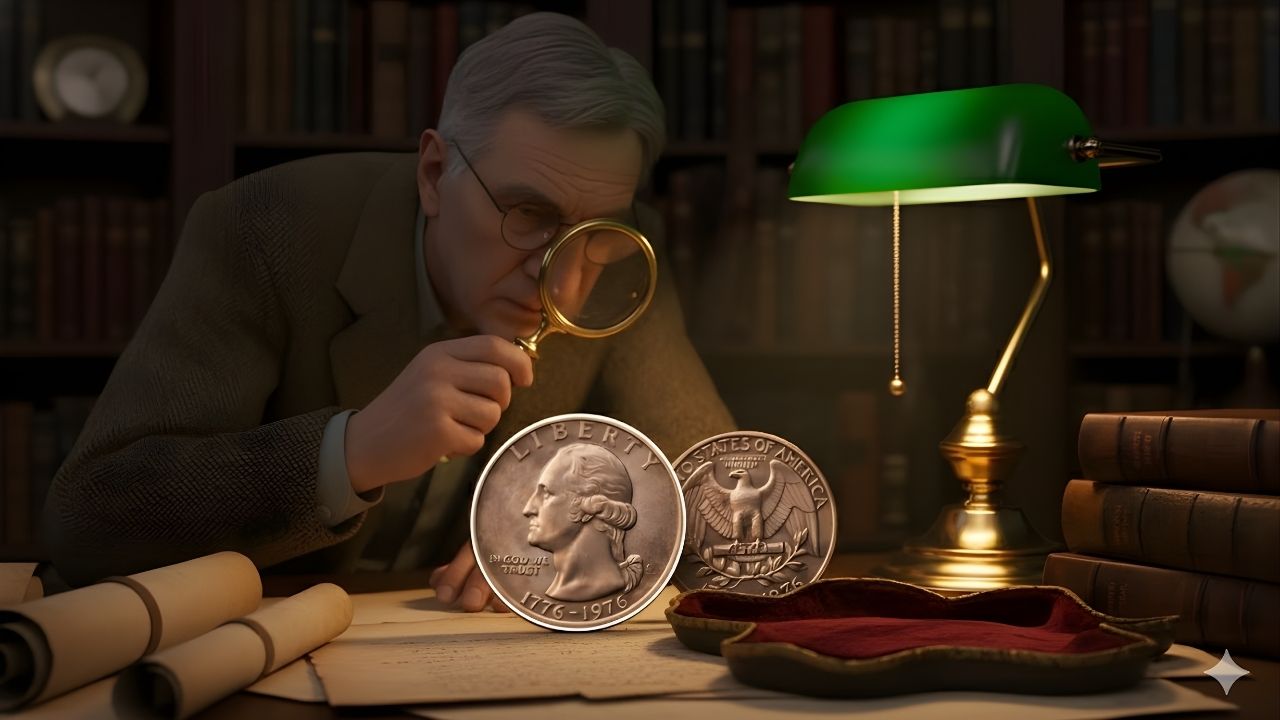
The 1776–1976 Bicentennial Quarter holds a special place in U.S. coin history. Issued to celebrate the 200th anniversary of American independence, it is instantly recognizable by its dual date and unique reverse design. While many people have encountered this coin in everyday change, fewer realize that some Bicentennial Quarters can be worth far more than twenty-five cents. Factors such as silver content, proof quality, condition, and minting errors have turned select examples into desirable collector pieces.
The Historical Meaning Behind the Bicentennial Issue
In the 1970s, the United States Mint launched a special coinage program to honor the nation’s Bicentennial. Instead of issuing dated quarters for 1975, the Mint struck all quarters between 1975 and 1976 with the dual date 1776–1976. This approach emphasized the historical milestone rather than a single calendar year. The quarter became part of a larger commemorative set that also included special half dollars and dollar coins, making it one of the most widely distributed commemorative coins in U.S. history.
Design Elements That Set the Coin Apart
The obverse of the Bicentennial Quarter retains the familiar portrait of George Washington, maintaining continuity with standard Washington quarters. The reverse design is what truly distinguishes the coin. It features a colonial drummer boy, symbolizing the spirit of the American Revolution, along with a victory torch and thirteen stars representing the original colonies. This reverse, created by Jack L. Ahr, was used only for the Bicentennial issue, making it a one-time design that adds long-term collector appeal.
Mint Locations and Coin Composition
Bicentennial Quarters were produced at three different mints. The Philadelphia Mint issued coins without a mint mark, while the Denver Mint used a D mint mark. Both facilities struck large numbers of copper-nickel clad quarters for circulation. The San Francisco Mint focused on collector versions, producing proof coins and special 40 percent silver issues. These silver quarters were never intended for circulation and were sold directly to collectors as part of official mint sets.
Value of Standard Circulated Bicentennial Quarters
Most Bicentennial Quarters found in circulation today are common and typically worth face value. Their high mintage numbers keep prices low, even decades after their release. However, uncirculated examples can carry modest premiums. Coins that still display strong luster, sharp details, and no wear often sell for a few dollars, particularly when preserved in original mint packaging or certified holders.
Silver Bicentennial Quarter Value in Today’s Market
Silver Bicentennial Quarters are among the most desirable regular-issue versions. Containing 40 percent silver, these coins have intrinsic value tied to precious metal prices. Even worn examples usually sell for more than face value due to their silver content. High-grade silver proofs, especially those with deep mirror finishes and strong eye appeal, can command significantly higher prices, particularly when professionally graded.

Proof Bicentennial Quarters and Collector Demand
Proof Bicentennial Quarters were struck with special care using polished dies and specially prepared planchets. These coins feature sharp details and reflective surfaces that set them apart from circulation strikes. Collectors value proofs that remain in original government packaging or that have been certified in high grades. Proof coins with strong contrast and minimal surface marks often sell for premium prices in the collector market.
Rare Errors That Increase Bicentennial Quarter Value
The most valuable Bicentennial Quarters are often those with minting errors. Errors such as doubled dies, off-center strikes, missing clad layers, and double strikes can significantly increase a coin’s value. Some of the rarest examples include Bicentennial Quarters struck on the wrong planchet, such as a dime blank or a foreign coin blank. These dramatic mistakes are extremely scarce and have sold for hundreds or even thousands of dollars depending on condition and authentication.
Why Condition and Professional Grading Matter
Condition plays a crucial role in determining a Bicentennial Quarter’s value. A well-preserved coin can be worth many times more than a heavily worn example of the same type. Professional grading services evaluate coins for authenticity, surface quality, and overall preservation, assigning standardized grades that collectors trust. Coins graded Mint State 65 or higher, as well as pristine proof examples, often sell for significantly more than ungraded coins.
Market Demand and Long-Term Collectibility
The Bicentennial Quarter continues to attract interest due to its historical significance and unique design. While it is not rare overall, demand remains strong for silver versions, proof coins, high-grade uncirculated examples, and genuine error pieces. Market values can fluctuate based on silver prices, collector trends, and economic conditions, but the coin remains a popular and accessible entry point into U.S. coin collecting.

Tips for Collectors and Sellers
Collectors should focus on identifying composition, mint marks, and potential errors before assigning value. Learning to distinguish silver coins from clad versions is especially important. Sellers are encouraged to research recent auction results and consider professional grading for high-quality or unusual coins. Proper storage and handling can also preserve value over time and prevent unnecessary damage.
Final Verdict
The 1776–1976 Bicentennial Quarter is more than just a common commemorative coin. While most examples remain affordable, silver editions, proof strikes, and rare minting errors can carry meaningful value. With careful inspection and an understanding of what collectors seek, this iconic quarter can still offer surprising rewards in today’s coin market.
Disclaimer
This article is for informational purposes only and is based on publicly available information and general numismatic references. Coin values, availability, and market trends may vary by region and can change over time due to metal prices, market conditions, new discoveries, or official updates. Readers are advised to verify details through certified coin dealers, professional grading services, or authoritative auction records before making any buying, selling, or investment decisions.