
The Walking Liberty Half Dollar has long been considered one of the most beautiful coins ever produced by the United States Mint. Its flowing design, patriotic symbolism, and silver content make it a favorite among both collectors and investors. Within the series, the 1917 issue holds a special place. Thanks to multiple mint varieties, shifting mint mark locations, and limited high-grade survivors, some examples have become serious prizes in the coin market.
Before diving into values, it helps to remember that these coins are more than just old silver. They are pieces of American history struck during a time of national change. That mix of artistry and heritage is exactly why demand remains strong in 2026.

What Is the 1917 Walking Liberty Half Dollar
The Walking Liberty Half Dollar debuted in 1916, designed by sculptor Adolph A. Weinman. The coin quickly stood out for its elegance. On the front, Liberty strides toward the rising sun, draped in the American flag and carrying branches of oak and laurel. The image suggests strength, peace, and forward movement. On the reverse, a bold eagle perches on a rocky ledge with wings partially spread, symbolizing resilience.
The 1917 edition came at a time when the United States was entering World War I. That historical backdrop adds extra meaning to a design already filled with patriotic themes.

What Makes the 1917 Issue Different From Other Years
Most collectors pay extra attention to 1917 because of a unique twist. During this year, the U.S. Mint changed the position of the mint mark. Early coins placed it on the obverse, while later issues moved it to the reverse. That small adjustment created multiple varieties, each with different levels of scarcity.
As a result, collectors don’t just chase one coin from 1917. They often try to complete a set that includes every mint and mint mark placement, which increases competition and pushes up prices.
What Are the Main 1917 Varieties Collectors Seek
The Philadelphia version carries no mint mark and is generally the most affordable entry point. These coins are still silver and attractive, but they are more common than others.
The Denver and San Francisco issues come in both obverse and reverse mint mark styles. The obverse mint mark varieties, especially from San Francisco, are significantly rarer. In higher grades, these coins can command eye-popping prices at auction. The 1917-S with the mint mark on the obverse is widely considered the key variety and is often the toughest to find in mint condition.

How Much Is a 1917 Walking Liberty Half Dollar Worth
Values vary widely depending on mint and condition. Heavily worn coins might sell for little more than their silver content plus a modest collector premium. However, once you move into sharper, lightly circulated examples, prices climb quickly.
Extremely Fine or About Uncirculated coins often reach into the hundreds or low thousands. True Mint State coins, especially those graded MS-65 or better, become much scarcer. At that level, certain varieties can sell for tens of thousands of dollars, with top examples of the rarest issues pushing well into six figures.

Why Condition and Grading Matter So Much
Condition is everything with early 20th-century silver coins. Walking Liberty Half Dollars were widely used, so most pieces show heavy wear. Finding one with crisp details and original luster is far more difficult than finding a worn example.
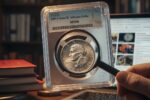
Professional grading services evaluate each coin on the Sheldon Scale from Poor to Mint State. Even a single-point difference in grade can mean a large price jump. Collectors are often willing to pay a premium for coins with clean surfaces, strong strikes, and pleasing eye appeal.
How to Identify and Protect Your Coin
If you own a 1917 half dollar, start by checking the mint mark location carefully. Look near Liberty on the obverse and on the reverse near the eagle to determine which variety you have. A simple magnifier can make this easier.
Avoid cleaning the coin, as polishing or rubbing can damage the surface and reduce its value. Store it in a protective holder and consider professional authentication if you suspect you have a higher-grade or rare variety.

Why Collectors Still Love This Classic Half Dollar
Beyond price, the 1917 Walking Liberty Half Dollar has timeless charm. Its flowing design is often described as miniature art, and many collectors consider it more beautiful than modern coins. Owning one feels like holding a small piece of early 20th-century America.
That combination of beauty, silver content, and rarity ensures the coin’s popularity will likely continue for years to come.
Final Verdict
The 1917 Walking Liberty Half Dollar blends history, artistry, and scarcity into one remarkable collectible. While common examples remain affordable, rare mint mark varieties and high-grade pieces can be worth substantial sums. For collectors in 2026, it remains one of the most rewarding classic U.S. coins to own and study.