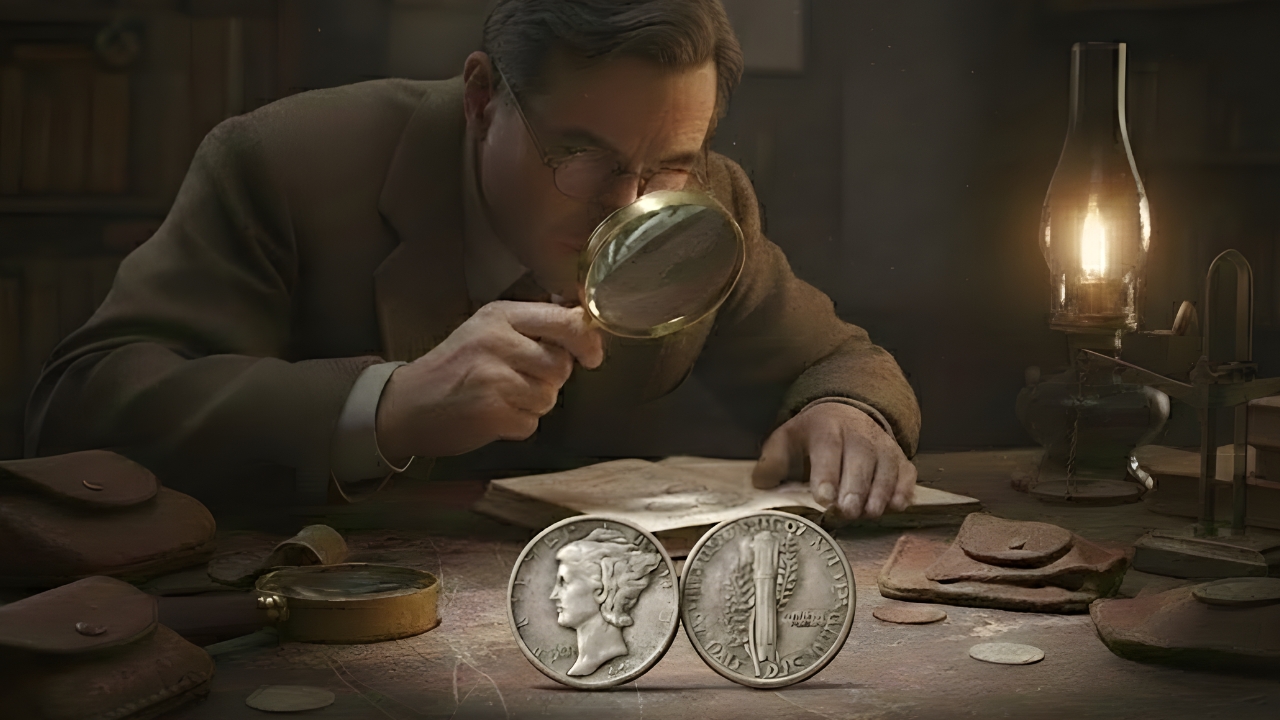
Few American coins combine beauty, history, and investment potential quite like the Mercury Dime. Small enough to fit easily in your pocket yet rich with detail, this classic silver coin has fascinated collectors for generations. What makes it even more exciting is the fact that certain examples are worth far more than ten cents. In fact, one rare Mercury Dime has sold for nearly $1.1 million, proving that even the smallest coins can carry astonishing value.
Minted from 1916 to 1945, the Mercury Dime has become a cornerstone of U.S. coin collecting. Many people still discover them in inherited collections, old jars, or forgotten albums. While most are valued mainly for their silver content, a few dates and varieties stand out as true treasures. Understanding which ones to look for can turn a casual hobby into a rewarding pursuit.
What Exactly Is the Mercury Dime and Why Is It So Popular
The Mercury Dime, officially known as the Winged Liberty Head dime, debuted in 1916. Designed by sculptor Adolph A. Weinman, the coin features Liberty wearing a winged cap on the front, symbolizing freedom of thought. The reverse shows a fasces paired with an olive branch, representing strength and peace.
Over time, collectors nicknamed it the “Mercury” dime because Liberty’s winged cap resembles the Roman god Mercury. The design is widely regarded as one of the most elegant in American coinage, which adds to its lasting appeal.
Beyond its looks, the coin’s silver composition and historic era make it especially desirable. These dimes circulated during World War I, the Great Depression, and World War II, giving each piece a tangible connection to important chapters of American history.
Mercury Dime Value Guide 2026: Key Dates and Price Ranges
In 2026, Mercury Dime values vary widely depending on rarity and condition. Common worn coins may be worth only their silver melt value, while rare dates can reach thousands or even hundreds of thousands of dollars.
The 1916-D is the most famous key date, with only 264,000 coins produced. High-grade examples have sold for between $250,000 and over $1 million. The 1921 and 1921-D issues are also scarce, often bringing several thousand dollars even in moderate condition.
Other sought-after pieces include the 1926-S, which had low production numbers, and special error coins such as the 1942/1 and 1942/1-D overdates. These overdates show traces of one year struck over another and can sell for tens of thousands of dollars depending on grade.

Proof issues, doubled dies, repunched mint marks, and off-center strikes also attract strong demand. Even common dates in exceptionally high grades, such as MS67 or higher, can be worth far more than expected.
The Legendary $1.1 Million Mercury Dime
If there’s one coin that defines the Mercury Dime series, it’s the 1916-D. Because so few were minted and many entered circulation, pristine examples are extremely rare today.

Collectors consider this coin the “holy grail” of the series. When one survives with sharp details, bright luster, and minimal wear, it becomes a star at auction. In recent years, top-condition pieces have crossed the million-dollar mark, cementing the coin’s legendary status.
For many hobbyists, simply finding a lower-grade 1916-D is a dream come true.

Minting Errors That Boost Value
Errors play a major role in Mercury Dime collecting. These mistakes occurred during production and create coins that are unique or unusual.
Overdates are among the most famous, where one date was struck over another, leaving visible remnants under magnification. Doubled dies show clear doubling on numbers or letters. Repunched mint marks reveal multiple impressions of the mint letter, while off-center strikes show designs that aren’t properly aligned.

Because no two error coins are exactly alike, collectors often pay strong premiums for eye-catching examples.
Why Condition and Grading Matter
Condition can make or break a coin’s value. Two dimes from the same year might differ in price by thousands of dollars simply because one is worn and the other is nearly flawless.
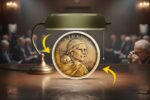
Coins with sharp details, strong luster, and minimal marks are far more desirable. Professional grading services such as PCGS or NGC evaluate coins and assign official grades, which helps establish trust in the marketplace. Certified coins often sell more easily and for higher prices.
Tips for Finding and Protecting Your Coins
Starting a Mercury Dime collection doesn’t require expensive equipment. A magnifying glass and careful observation go a long way. Always check dates and mint marks, which appear on the reverse near the bottom.

Handle coins by the edges, store them in protective holders, and never clean them. Cleaning can scratch the surface and drastically reduce value. If you believe you’ve found a rare piece, consider professional grading.
Final Verdict
The Mercury Dime proves that small coins can hold big stories and even bigger value. From common silver pieces to the rare 1916-D worth over a million dollars, the series offers something for every level of collector. With a little knowledge and patience, these historic dimes can become both cherished keepsakes and impressive investments.

Disclaimer
This article is for informational purposes only. Coin values depend on condition, rarity, and market demand. Always consult professional numismatists or grading services before buying or selling collectible coins.