
State quarters are among the most familiar coins in American pockets, yet their collecting market has quietly evolved over the past decade. What began as a simple program to honor all 50 states has matured into one of the most stable areas of modern U.S. numismatics. Over the last 11 years, values have shifted gradually as collectors became more selective, grading standards tightened, and online marketplaces made pricing more transparent.
Although the majority of state quarters are still worth only face value, certain coins now sell for noticeable premiums. High-grade examples, certified pieces, and mint errors have carved out their own niche. For many hobbyists, the hunt for these better coins has turned everyday change into a potential treasure search.

What Exactly Are State Quarters and Why They Still Matter
The State Quarters Program launched in 1999 and ran through 2008, releasing five new designs each year. Every quarter celebrated a different state with unique imagery, from landmarks to historical figures. The idea was simple: spark public interest in history and coin collecting.
It worked better than anyone expected. Millions of people saved coins in folders and albums, often for the first time. That broad participation created a lasting emotional connection. Even today, many adults remember checking their change to complete sets, and that nostalgia continues to drive demand.

Unlike many short-lived collectibles, state quarters never fully faded away. Their recognition factor alone keeps them relevant in the coin world.
How State Quarter Values Have Changed Over the Last 11 Years
A decade ago, most circulated quarters were considered strictly spenders. You could fill an entire set from pocket change without paying a premium. Uncirculated coins carried only small markups, and serious investment interest was limited.
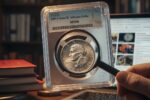
Since then, the market has matured. As collectors completed basic sets, attention shifted toward quality. Coins with strong luster, sharp details, and minimal contact marks became more desirable. Because fewer pristine coins survived, values for top-condition pieces slowly climbed.
The growth hasn’t been dramatic or speculative. Instead, it has been steady and consistent. This slow upward trend has made state quarters appealing to collectors who prefer stability over hype.

The Growing Importance of Condition and Grading
Condition now plays a bigger role than ever. Two quarters from the same year and mint can have vastly different prices depending on preservation.
Circulated coins with scratches and wear generally stay at face value. But bright, uncirculated examples can sell for several dollars, especially when they show clean surfaces and sharp strikes. Certified coins graded by professional services often bring even higher premiums.

At the highest mint-state grades, competition increases sharply. Registry collectors seek the best possible examples, and that demand can push prices much higher than most people expect for a modern quarter. This widening gap between average and exceptional coins is one of the biggest trends of the past decade.
Error State Quarters Are Drawing More Attention
Mint errors have become a major driver of interest. In the past, many mistakes went unnoticed or were spent without a second thought. Today, collectors actively search for them.

Doubled dies, off-center strikes, clipped planchets, and wrong-metal errors are especially popular. These coins stand out visually and often exist in small numbers. As knowledge spreads through online communities, more people recognize what to look for.
Even minor errors can sell for a premium when clearly defined. More dramatic mistakes may fetch hundreds of dollars or more, depending on rarity and eye appeal. For many collectors, error hunting adds excitement to an otherwise common series.

How Online Marketplaces Reshaped Pricing
The rise of digital platforms has transformed the way state quarters are bought and sold. In earlier years, pricing often depended on local coin shops or printed guides. Now, collectors can compare recent sales instantly.
This transparency has helped stabilize the market. Overpriced coins are easier to spot, while scarce varieties quickly attract competitive bidding. Online auctions and dealer listings also make it easier to find specific dates, grades, or errors without traveling.
As a result, prices today reflect real-time demand more accurately than ever before.
What Today’s Trends Mean for Collectors
Current signs point to continued slow and steady growth, especially for high-grade and error coins. While ordinary quarters will likely remain common, the best examples should become harder to find as more are locked into collections.
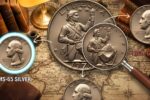
For collectors, the smartest strategy is simple: focus on quality. Store coins properly, avoid cleaning them, and consider professional grading for standout pieces. Patience tends to pay off more than chasing short-term spikes.
Final Verdict
Over the last 11 years, state quarters have proven that modern coins can build lasting value without dramatic speculation. Most remain affordable, but certified high-grade coins and genuine mint errors continue to appreciate steadily. With strong nostalgia, wide recognition, and consistent demand, state quarters remain a dependable and enjoyable part of U.S. coin collecting.