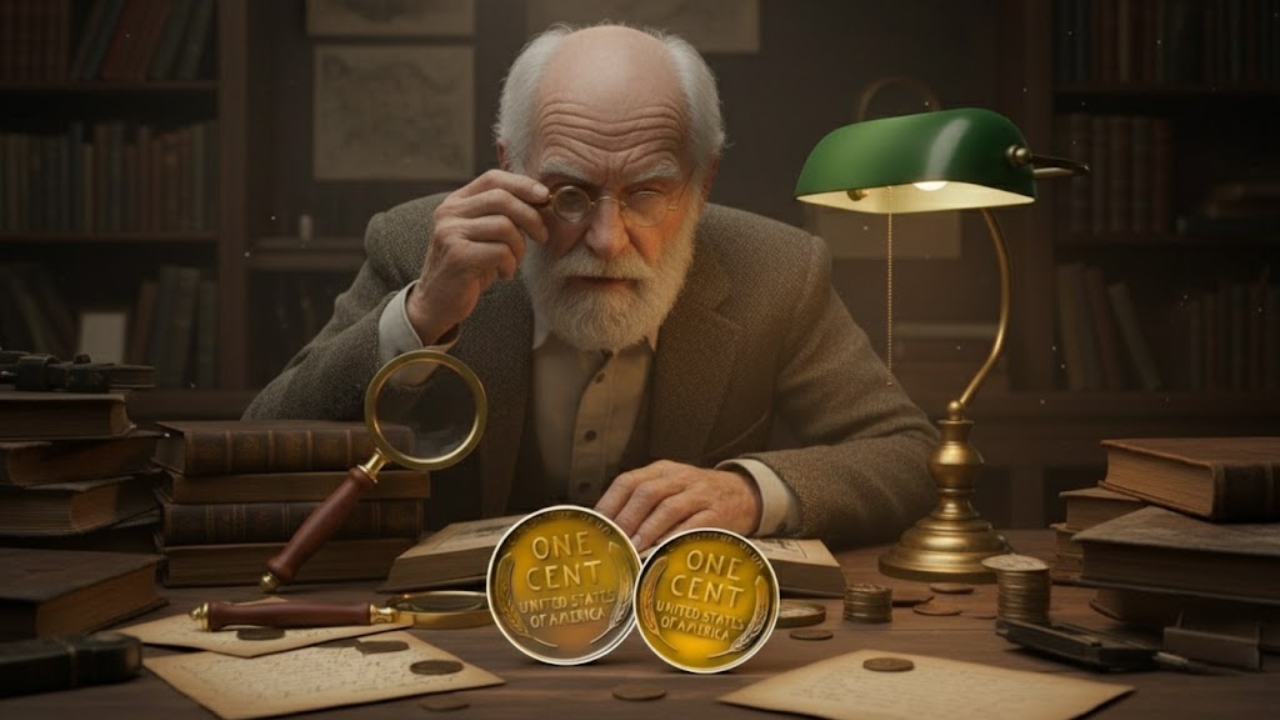
The Lincoln Wheat Penny is one of the most recognizable and widely collected coins in American history. For many people, it was the very first coin they ever saved in a jar or album. Small and humble in appearance, these copper cents carry more than just pocket change value. Certain years, mint marks, and minting mistakes can turn an ordinary-looking penny into a highly prized collectible worth hundreds or even thousands of dollars.
From its historic debut in the early 20th century to its lasting popularity today, the Wheat Penny has earned a special place in both everyday life and serious numismatic collections. Understanding which coins matter most is the key to spotting hidden treasures.

What Exactly Is the Lincoln Wheat Penny and Why Does It Matter
The Lincoln Wheat Penny was introduced in 1909 to honor the 100th birthday of Abraham Lincoln. It made history as the first regular U.S. coin to feature a real person rather than a symbolic figure like Liberty. Designed by Victor David Brenner, the obverse shows Lincoln’s portrait, while the reverse displays two wheat stalks framing the words “One Cent.”
This simple yet elegant design represented growth and prosperity. The coin quickly became part of daily American life, used for everything from newspapers to candy. Minted until 1958, the Wheat Penny remained in circulation for nearly five decades, giving it both historical depth and broad availability for collectors today.

Key Dates That Drive Lincoln Penny Values Higher
Not every Wheat Penny is valuable, but some dates are famous for their rarity. The 1909-S VDB is one of the most sought-after coins in the entire series. Produced in limited numbers and bearing Brenner’s initials, it became controversial and was quickly modified, making surviving examples scarce.
Another standout is the 1914-D. With a low mintage and heavy circulation, high-grade pieces are tough to find. Even moderately worn examples can sell for impressive prices.

The 1922 No D penny is a fascinating mint error. Struck in Denver, these coins should have carried a “D” mint mark. Due to worn dies, some were produced without it, creating a rare and collectible variety that continues to attract strong demand.
Famous Errors That Collectors Love
Error coins often bring even more excitement than standard issues. One legendary example is the 1943 copper penny. During World War II, copper was needed for military supplies, so the Mint switched to zinc-coated steel cents. A few copper planchets were accidentally used, creating one of the rarest and most valuable pennies ever made. These coins have sold for staggering sums at auction.

The 1955 Doubled Die penny is another favorite. The doubling on the date and lettering is so strong that it can be seen without magnification. Its dramatic appearance makes it easy to recognize and highly collectible, often commanding significant premiums.
How Condition and Grading Affect Price
Condition is just as important as rarity. A common Wheat Penny in heavily circulated condition might only be worth a few cents above face value. The same coin in uncirculated condition with sharp details and original luster could be worth many times more.
Professional grading services assign standardized scores that help determine value and authenticity. Coins graded Mint State 65 or higher are especially desirable. For key dates, even a small improvement in grade can mean a large jump in price, which is why careful storage and handling matter so much.
Building a Collection Today
One reason the Wheat Penny remains popular is its accessibility. Beginners can still find many dates in circulation or old coin jars, while advanced collectors enjoy hunting down rare varieties and high-grade examples. Completing a full set from 1909 to 1958 offers both a challenge and a rewarding sense of accomplishment.
Collectors often search bank rolls, estate sales, and inherited collections. The thrill of possibly discovering a valuable coin keeps the hobby exciting and affordable compared to many other collectibles.
The Lasting Appeal of Wheat Pennies
Beyond their market value, Wheat Pennies offer a direct connection to American history. These coins passed through countless hands during wars, economic booms, and everyday life. Each one carries a story from another era, which adds sentimental and historical value that money alone cannot measure.

Their timeless design and rich background ensure they will remain favorites for generations of collectors.
Final Verdict
Lincoln Wheat Pennies combine history, affordability, and the potential for surprising value. Key dates like the 1909-S VDB, 1914-D, 1922 No D, 1943 copper, and 1955 Doubled Die continue to capture attention and command strong prices. With knowledge, patience, and proper care, anyone can build a meaningful collection and maybe even uncover a rare gem along the way.

Disclaimer
This article is for informational purposes only. Coin values, availability, pricing, and market demand may change over time or vary by region. Features and examples may differ from actual coins. Always verify details with official or professional numismatic sources before buying or selling collectible coins.