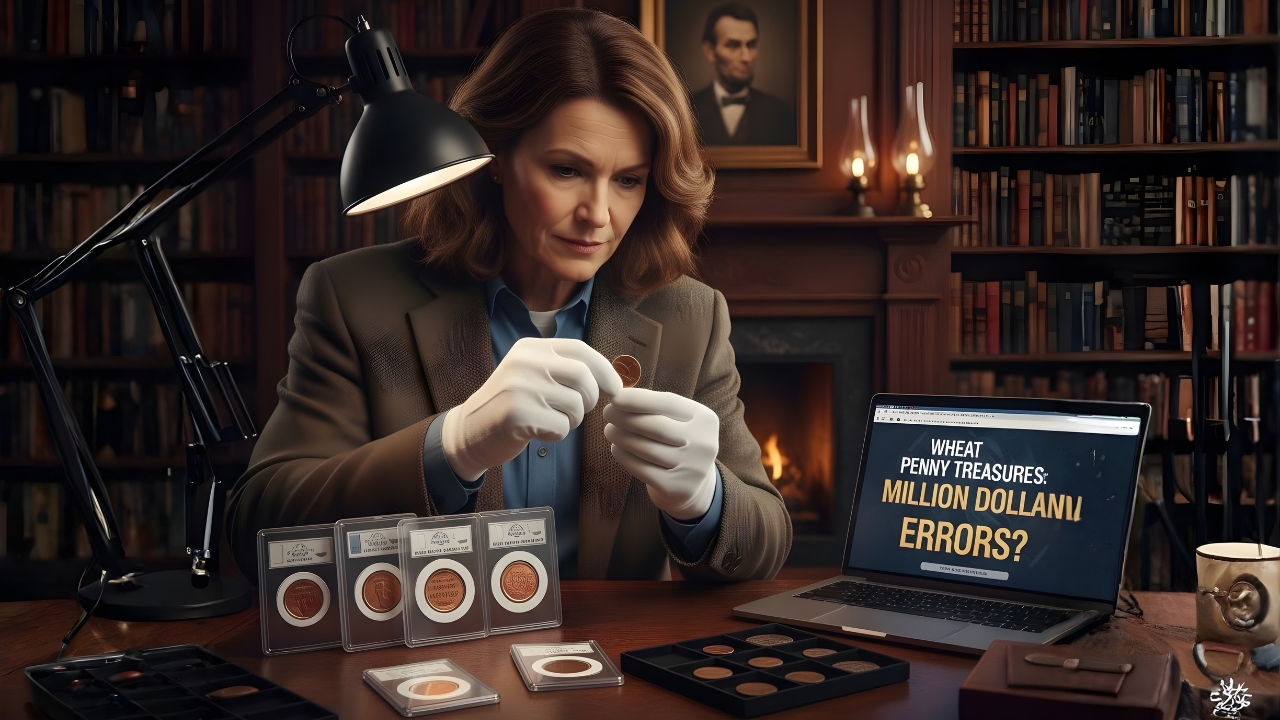
The Lincoln Wheat Penny has long been a cornerstone of American coin collecting. First minted in 1909 to honor Abraham Lincoln’s centennial, it was the first U.S. coin to feature a real person rather than a symbolic figure. Its obverse displays Lincoln’s profile, while the reverse shows two wheat stalks surrounding the denomination “One Cent,” symbolizing prosperity and agricultural heritage. Struck continuously until 1958, the Wheat Penny spans nearly fifty years of history, including wartime adjustments and design milestones that continue to captivate collectors.
Though most Wheat Pennies today are worth only a few cents, certain rare dates and error coins command prices ranging from hundreds to hundreds of thousands of dollars. Collectors value these coins not only for their monetary potential but also for the stories and historical significance they carry.
Key Wheat Penny Varieties and Historical Milestones
Several Wheat Penny issues stand out for rarity and collectibility. The 1909 S VDB, featuring Victor David Brenner’s initials, was produced in limited numbers and quickly became an iconic rarity. The 1914 D penny is another early high-demand coin due to low mintage.
The 1922 No D variety is a famous mint error with the Denver mark missing, making it highly sought after in high-grade condition. During World War II, the 1943 steel penny was struck to conserve copper, while a few 1943 copper pennies accidentally produced on the wrong planchet are among the most valuable U.S. coins ever. The 1955 doubled die penny is also legendary, showcasing dramatic doubling on the obverse that makes it highly collectible.

Understanding Wheat Penny Values
A coin’s value is determined by several factors. Rarity is paramount: limited production, errors, or unusual mint marks drive higher demand. Condition, or grade, is equally important—uncirculated coins and proof-quality examples command higher premiums. Mint marks also affect scarcity, with San Francisco and Denver coins often more desirable than Philadelphia issues. Historical significance, such as wartime production or design changes, can further enhance a coin’s appeal.
Auction records and collector data show that while most Wheat Pennies remain inexpensive, rarities like the 1943 copper penny can fetch hundreds of thousands of dollars. Even modestly rare coins, when preserved in excellent condition, offer strong investment potential.
How to Identify and Protect Valuable Wheat Pennies
Collectors should carefully examine mint marks, dates, and unique features such as doubled dies or off-center strikes. Magnification helps reveal subtle details that affect value. Handling coins by the edges or with gloves prevents damage to surfaces, while protective holders and proper storage maintain condition over time. Professional grading services such as PCGS or NGC provide authentication and standardized assessment of coin quality, which can significantly impact market value and collector confidence.
Tips for Building a Wheat Penny Collection
New collectors often start with common dates to learn the hobby before pursuing rarer coins. Focus on completing sets, obtaining high-grade examples, and seeking historically significant varieties. Attending coin shows, consulting reference guides, and purchasing from reputable dealers ensures a safe and informed collecting experience. Patience is key, as building a valuable Wheat Penny collection can take years, but the rewards include both historical knowledge and potential financial gain.

The Lasting Appeal of Wheat Pennies
Beyond monetary value, Wheat Pennies connect collectors to over a century of American history. They tell stories of national pride, wartime ingenuity, and the evolution of coin design. From everyday circulation to legendary rarities, these small copper coins continue to inspire discovery, learning, and appreciation for the artistry of numismatics.
Final Verdict
Lincoln Wheat Pennies remain one of the most cherished and collectible coins in U.S. history. Their rich heritage, iconic design, and potential for extraordinary value make them a rewarding pursuit for both novice and experienced collectors. By focusing on key dates, errors, and proper preservation, collectors can uncover coins that are not only historically significant but also financially meaningful.