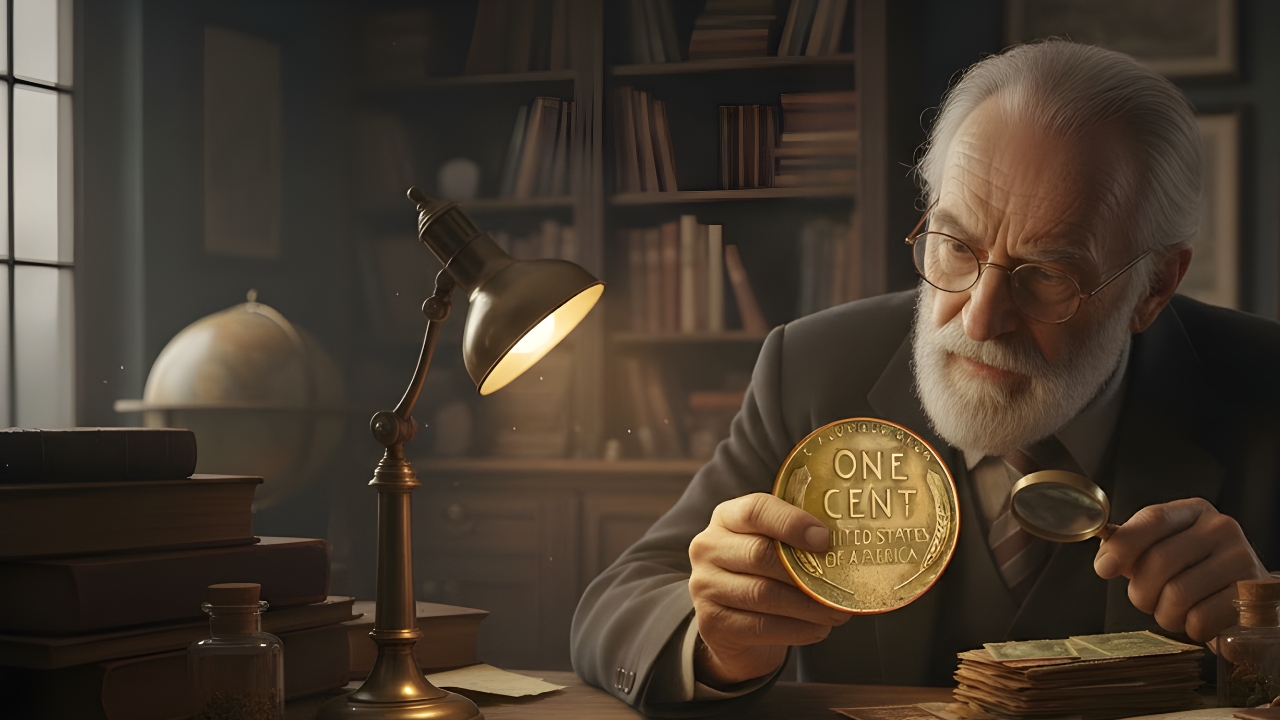
Few coins in American history are as recognizable or as beloved as the Lincoln Wheat Penny. Small in size but big in legacy, this humble one-cent piece has captured the imagination of collectors for more than a century. Whether discovered in an old jar of change or tucked inside a family heirloom collection, Wheat Pennies often feel like tiny time capsules from America’s past. Their mix of history, artistry, and the possibility of hidden value keeps the hunt exciting for beginners and experts alike.
Introduced at a time when U.S. coinage was evolving artistically, the Wheat Penny quickly became more than everyday money. It turned into a symbol of national pride and remains one of the most collected coins in the country today.
What Exactly Is the Lincoln Wheat Penny
The Lincoln Wheat Penny, sometimes called the Wheat Cent, debuted in 1909 to celebrate the 100th anniversary of Abraham Lincoln’s birth. It made history as the first regularly circulating American coin to feature a real person instead of a symbolic figure like Liberty. Sculptor Victor David Brenner designed the coin with Lincoln’s profile on the front and two wheat stalks on the back, representing growth and prosperity.
The design stayed largely the same for nearly five decades, running until 1958. In 1959, the reverse changed to the Lincoln Memorial, officially ending the Wheat era. Despite the update, many collectors still consider the Wheat design the most charming and classic of all Lincoln cents.

Early Popularity and the VDB Initials Controversy
When the penny first appeared, the public response was overwhelming. People lined up at banks just to get the new coins. Lincoln’s portrait struck an emotional chord with Americans, especially so soon after the Civil War generation.
However, Brenner placed his initials, VDB, prominently on the reverse. Critics felt they were too noticeable, and the Mint quickly removed them. This small design change created one of the most famous rarities in U.S. coin collecting: the 1909-S VDB. Because so few were made before the initials were taken off, surviving examples can sell for thousands, sometimes much more in top condition.
Key Dates and Rare Varieties That Drive Value
Not all Wheat Pennies are rare, but certain dates and mint marks are highly prized. Coins like the 1914-D and 1931-S had low mintages, making them difficult to find today. The 1922 No D variety, caused by a mint mark error, is another standout that collectors actively search for.
One of the most fascinating chapters came during World War II. In 1943, copper was needed for the war effort, so pennies were struck in zinc-coated steel. These steel cents look silver and are easy to recognize. While most are affordable, a few copper pennies were accidentally produced that year. Those rare mistakes have sold for hundreds of thousands of dollars at auction, turning a simple cent into a life-changing discovery.

Error coins like the 1955 Doubled Die, where the lettering appears dramatically doubled, also command strong prices because of their unique appearance and scarcity.
Why Collectors Still Love Wheat Pennies Today
Part of the appeal is accessibility. Unlike many expensive coin series, Wheat Pennies can still be found in circulation, coin rolls, or old collections. Beginners enjoy filling albums with common dates, while advanced collectors chase high-grade or rare varieties.
Each coin tells a small story. Some survived the Great Depression, others passed through wartime America, and many circulated through generations of everyday life. Holding one feels like touching history directly, which adds emotional value beyond the price tag.
How to Determine a Wheat Penny’s Worth
A coin’s value depends mainly on rarity, condition, and demand. Common circulated pieces might be worth only a few cents above face value. But scarce dates or coins in mint condition can be worth hundreds or thousands.
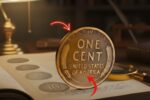
Checking the mint mark, inspecting for errors, and using a magnifying glass are simple but effective steps. Professional grading services can also help confirm authenticity and assign a condition grade, which often makes a big difference in price.
Proper storage matters too. Keep coins in protective holders and avoid cleaning them, as cleaning can reduce value significantly.

Final Thoughts
The Lincoln Wheat Penny proves that even the smallest coins can hold remarkable history and surprising value. From the iconic 1909-S VDB to wartime steel and rare error varieties, this series offers something for every collector. Whether you’re searching through spare change or building a serious collection, the thrill of discovering a special Wheat Penny never fades.
Disclaimer
This article is for informational purposes only. Coin values can change based on rarity, condition, market demand, and regional factors. Prices, availability, and collector interest may fluctuate over time. Images or examples may differ from actual coins. Always verify details and consult professional numismatists or official grading services before buying or selling coins.