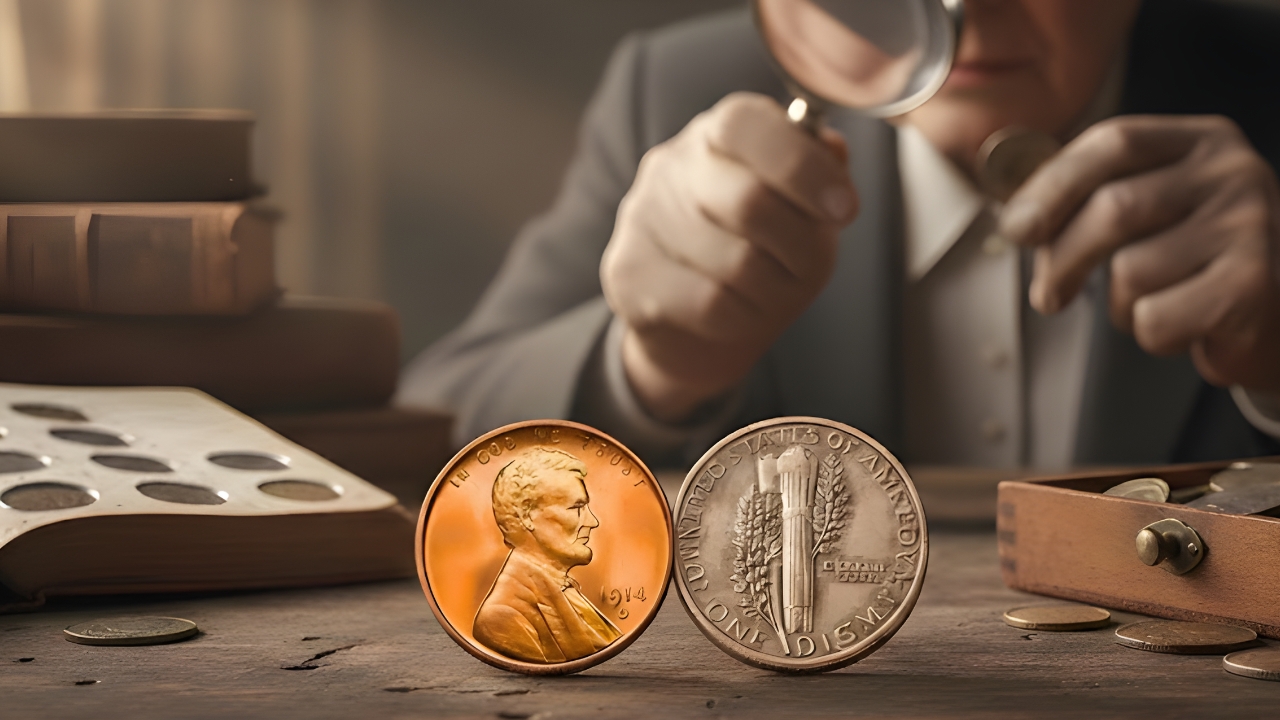
Lincoln Wheat Pennies have long held a special place in American numismatics, blending history, artistry, and the thrill of discovery. First issued in 1909 to honor the 100th anniversary of Abraham Lincoln’s birth, the penny was designed by Victor David Brenner and became the first U.S. coin to feature a real person. Its obverse displays Lincoln’s profile, while the reverse features two wheat stalks symbolizing prosperity and agricultural strength. Over a century later, certain Wheat Pennies continue to captivate collectors, with some rare examples reaching extraordinary values, including a remarkable 1943 copper penny estimated at $224,000.
While most Wheat Pennies remain common, a few stand out due to limited mintage, unusual errors, or exceptional condition. The 1943 copper penny is the most famous example. During World War II, pennies were primarily struck in steel to conserve copper for military use. A few copper blanks were mistakenly left in the press, creating an extremely rare coin. With fewer than 30 examples known, the value of this penny in near-mint condition can reach hundreds of thousands of dollars at auction.

What Exactly Makes Lincoln Wheat Pennies So Valuable
Several factors drive the value of Wheat Pennies. Rarity is a primary consideration: coins minted in small quantities or at certain mints are naturally more sought after. Minting errors, like the 1922 no-D penny or the 1955 doubled die, create unique varieties that attract collectors. Historical significance also contributes, as these pennies circulated during key periods in U.S. history, including both World Wars and the Great Depression. Condition is equally critical, with high-grade, professionally authenticated coins fetching premium prices.
Collectors and investors alike are drawn to Wheat Pennies because they combine scarcity, condition, and history in one small coin. Auctions have demonstrated that even a single penny can transform into a life-changing find.

How to Identify High-Value Lincoln Wheat Pennies
Recognizing a valuable Lincoln Wheat Penny requires careful observation. Key dates such as the 1909-S VDB, 1914-D, 1922 no-D, and 1955 doubled die are must-know varieties. Mint marks, located below the date, indicate the coin’s origin—Philadelphia, Denver, or San Francisco—and can affect rarity. Inspecting coins under magnification may reveal mint errors or unusual characteristics that significantly increase value.
Professional grading is strongly recommended for high-value coins. Grading evaluates the coin’s strike, surface preservation, and overall eye appeal, while also confirming authenticity. Coins graded by reputable services such as PCGS or NGC command higher prices at auctions and offer greater buyer confidence.

Preserving Lincoln Wheat Pennies
Proper care is essential to maintain a coin’s value. Coins should be handled by their edges, stored in protective holders, and kept in controlled environments to prevent damage. Cleaning is discouraged, as it can reduce both value and collector appeal. Knowledge of grading standards, market trends, and auction results helps collectors make informed decisions when buying, selling, or storing rare pennies.
Collectors are also encouraged to research historical context and minting details. Understanding why a coin is rare or how certain errors occurred can improve the ability to spot potentially valuable examples in existing collections.

Auction Records and Collector Excitement
The $224,000 1943 copper penny demonstrates the extraordinary market for rare Lincoln Wheat Pennies. Competitive bidding at major auctions has established clear benchmarks for value, while interest in these coins continues to grow. Collectors often discover rare pennies in old coin jars, inherited collections, or estate finds, reinforcing the excitement that any ordinary-looking coin could be unexpectedly valuable.
This combination of rarity, condition, historical significance, and market demand ensures that Lincoln Wheat Pennies remain an enduring focus of numismatics in 2026. For both seasoned collectors and new enthusiasts, the hunt for these coins provides both adventure and potential financial reward.
Final Verdict
The Lincoln Wheat Penny valued at $224,000 proves that even the smallest coins can hold immense historical and financial importance. From the iconic 1943 copper penny to other rare dates and errors, these coins remain highly sought after in the numismatic world. Careful observation, knowledge of key varieties, and professional grading are essential for collectors who hope to uncover the next hidden treasure. Every Lincoln Wheat Penny has the potential to tell a story, preserve history, and, in rare cases, transform a collection into a remarkable investment.
Disclaimer
Coin values mentioned in this article are based on auction records, market trends, and professional grading reports as of 2026. Actual prices may vary depending on condition, authenticity, and market demand. This content is for informational purposes only and should not be considered financial or investment advice.