
The 1776–1976 Bicentennial Quarter is one of the most recognizable coins ever released in the United States. Minted to celebrate 200 years of American independence, it broke tradition with a dual date and a completely new reverse design. Millions were produced, and for decades the coin was treated as nothing more than a patriotic keepsake. In 2026, however, collectors are taking a much closer look, and some Bicentennial Quarters are quietly becoming valuable.
What Is the 1776–1976 Bicentennial Quarter
The Bicentennial Quarter was issued during 1975 and 1976 as part of a nationwide celebration of America’s founding. Instead of the traditional eagle, the reverse features a colonial drummer, a torch, and thirteen stars representing the original colonies. The obverse retained George Washington’s portrait but added the dual date 1776–1976.

These quarters were struck at multiple U.S. Mint facilities and released both for circulation and as part of special collector sets. While most people encountered them in everyday transactions, not all Bicentennial Quarters were created equally.
Why Collectors Still Care About Bicentennial Quarters
Collectors value these quarters for more than nostalgia. They mark a rare moment when U.S. coinage paused its standard designs to honor a major historical event. That alone gives the coin long-term appeal. Beyond history, certain versions stand out due to composition, condition, and minting irregularities.

As common circulated examples disappear through wear and loss, interest has shifted toward coins that survived in exceptional shape or were never meant for circulation at all.
What Are the Silver Bicentennial Quarter Varieties
One of the biggest value differences comes from metal content. While most Bicentennial Quarters are copper-nickel, the U.S. Mint also produced special 40 percent silver versions. These were sold in collector sets and never released into everyday change.

Silver Bicentennial Quarters were struck at the San Francisco Mint and can be identified by their weight and edge appearance, which lacks the visible copper stripe found on clad coins. In uncirculated or proof condition, these silver issues consistently sell for more than face value and continue to attract steady demand.
Which Mint Errors Increase Bicentennial Quarter Value
Mint errors are where Bicentennial Quarters can jump from modest value to serious collector interest. Errors occur when something goes wrong during the striking process, creating coins that were never intended to exist. Because these mistakes are accidental, they are naturally scarce.
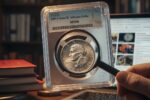
Collectors actively seek Bicentennial Quarters with doubled details, off-center strikes, clipped planchets, and incorrect metal compositions. The more dramatic and clear the error, the higher the potential value. Well-documented error coins can sell for hundreds or even thousands of dollars.
How Proof Bicentennial Quarters Differ
Proof Bicentennial Quarters were specially made for collectors using polished dies and carefully prepared planchets. This process produces sharp details and mirror-like surfaces that stand out from regular strikes. Both clad and silver proof versions exist, but silver proofs are especially desirable.
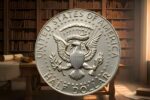
Proof coins that remain in original packaging or receive high professional grades tend to perform best on the market. Even small imperfections can affect value, so preservation is critical.
How Condition and Grading Shape Market Prices
Condition plays a major role in determining what a Bicentennial Quarter is worth. Most circulated examples show wear, scratches, or dull surfaces, limiting their appeal. In contrast, uncirculated coins with strong luster or flawless proofs can command significant premiums.
Professional grading services authenticate coins and assign standardized grades, which helps buyers and sellers agree on value. High-grade examples are becoming harder to find as time passes, increasing competition among collectors.
How to Identify a Potentially Valuable Bicentennial Quarter
Start by confirming the dual date of 1776–1976. Check the mint mark near Washington’s portrait to see where the coin was struck. Examine the edge to determine whether it is silver or copper-nickel. Use magnification to look for doubling, misalignment, or other unusual details.
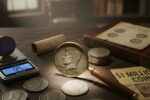
If a coin appears unusually sharp or different from typical examples, it may be worth further evaluation. Avoid cleaning the coin, as this can permanently reduce its value.
Why Bicentennial Quarters Still Have a Future
As the Bicentennial era grows more distant, these quarters continue to gain historical weight. While common examples will likely remain affordable, silver issues, error coins, and top-condition proofs are becoming increasingly scarce. Collectors who focus on quality rather than quantity may see steady long-term interest.

Final Verdict
The 1776–1976 Bicentennial Quarter is more than a familiar piece of change. In the right form, it can be a meaningful and valuable collectible. Silver versions, mint errors, and high-grade proofs are the true standouts, and they prove that even widely produced coins can hide surprising potential in 2026.