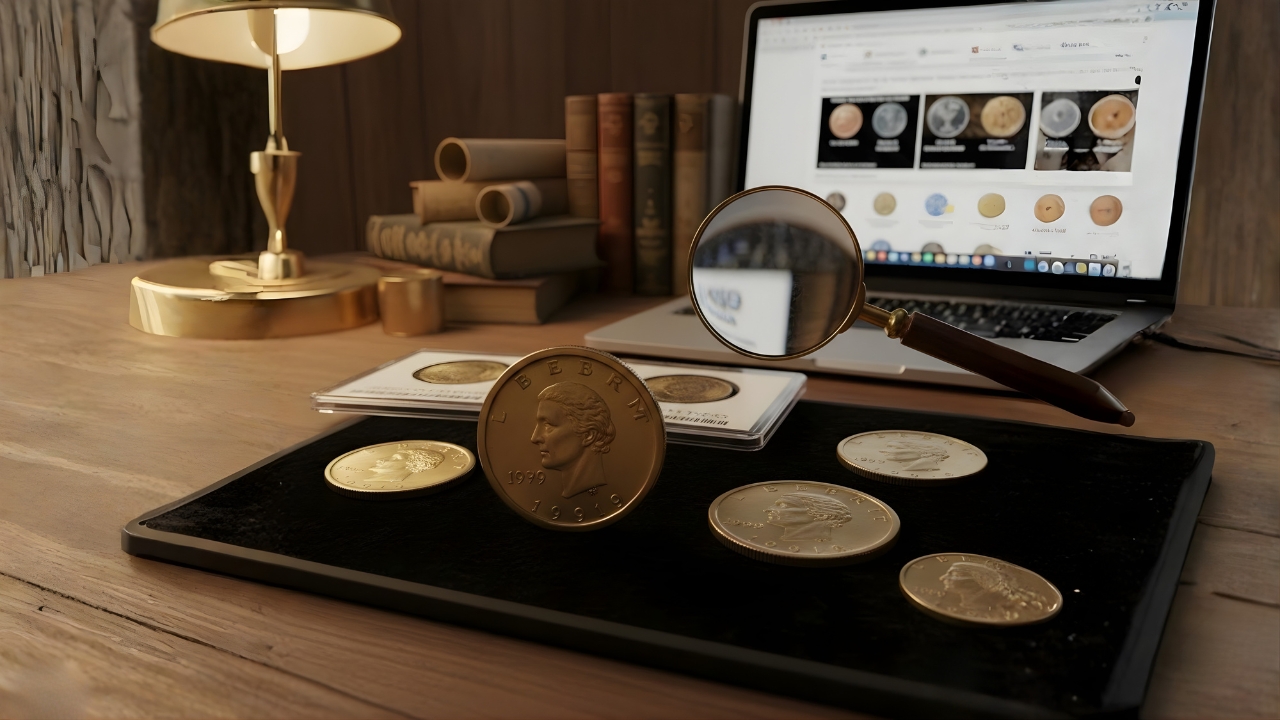
The Susan B. Anthony dollar may not have been a commercial success when it first entered circulation, but decades later it has become one of the most intriguing modern U.S. coins for collectors. Introduced in 1979, the coin honored women’s rights pioneer Susan B. Anthony and marked the first time a real historical woman appeared on everyday American currency. While the design was historically significant, the public struggled to accept it because its size and color closely resembled a quarter, leading to confusion in daily transactions.
Despite its short and somewhat troubled run, the series has quietly built a strong following. Today, certain Susan B. Anthony (SBA) dollars are worth hundreds or even thousands of dollars due to rare varieties, limited mintages, proof issues, and minting errors. What once seemed like an ordinary dollar coin has turned into a fascinating treasure hunt for collectors.

Before diving into specific coins, it helps to understand that most SBA dollars are still only worth face value. The real money lies in small details that many people overlook.
What Exactly Is the Susan B. Anthony Dollar and Why Is It Valuable
The Susan B. Anthony dollar was produced from 1979 to 1981, then briefly again in 1999. It was designed as a practical replacement for the paper dollar bill, with the goal of saving money through longer coin life. However, because it looked too similar to the quarter, it never gained widespread popularity in circulation.

From a collector’s perspective, this short production window is actually a big advantage. Fewer years of minting mean fewer total coins and more scarcity compared to long-running series like Lincoln cents or Washington quarters. Add special proof versions, design modifications, and minting mistakes, and you get a series full of hidden rarities.
Coins become valuable when they combine historical importance, low mintage numbers, and strong collector demand. The SBA dollar checks all three boxes, especially for certain dates and varieties.

The 1979 Wide Rim or Near Date Dollar
One of the most famous and valuable Susan B. Anthony varieties is the 1979 Wide Rim, often called the “Near Date” coin. Early 1979 dollars had a narrow rim, leaving more space between the date and the edge. Later, the Mint adjusted the design to widen the rim.
On the Wide Rim version, the date appears noticeably closer to the border. It’s a small difference, but collectors pay close attention to it. Because fewer of these were made, they are harder to find today.

Circulated examples can sell for a few hundred dollars, while high-grade uncirculated pieces may reach $1,000 to $2,000 or more. Many of these coins still hide in old rolls or inherited collections, making them exciting finds for sharp-eyed collectors.
Proof Coins and Type 2 Mint Marks
Proof coins were specially struck for collectors using polished dies and carefully prepared blanks. They feature mirror-like surfaces and sharper details than regular circulation coins.

In both 1979 and 1981, the Mint used two styles of “S” mint marks on proof coins. Type 1 mint marks appear filled or blurry, while Type 2 mint marks look crisp and clearly defined. Type 2 proofs are much scarcer and therefore much more valuable.
A 1979-S or 1981-S Type 2 proof in excellent condition can sell for hundreds or even several thousand dollars, depending on grade. Identifying them often requires magnification, but the payoff can be significant.
The Scarce 1981 Proof-Only Dollars
By 1981, the public had largely rejected the Susan B. Anthony dollar. As a result, the Mint stopped releasing the coin for general circulation and produced only proof versions for collectors.
Because no regular business strikes were made that year, all 1981 dollars are collector issues. This automatically makes them scarcer than earlier dates. When combined with the rare Type 2 mint mark variety, these coins become key pieces in the series.
High-grade 1981-S Type 2 proofs regularly sell for thousands of dollars, making them some of the most sought-after Susan B. Anthony coins ever produced.
The 1999 Susan B. Anthony Dollar Comeback
After nearly two decades of absence, the SBA dollar returned briefly in 1999. This happened because the government needed more dollar coins before the launch of the Sacagawea dollar.
Coins were struck in Philadelphia and Denver for circulation, along with proof versions for collectors. While most 1999 circulation coins remain common, pristine uncirculated examples and proofs carry modest premiums.
Collectors often seek these coins to complete a full date set, which keeps demand steady and values gradually increasing over time.
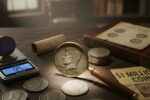
Mint Errors and Rare Mistakes
Error coins add another layer of excitement to the series. These include off-center strikes, doubled dies, clipped planchets, and coins struck on the wrong metal blanks.
Because errors occur accidentally and in small numbers, they are naturally rare. Some dramatic mistakes have sold for $1,000 to $10,000 or more at auction. Each error is unique, which makes them especially appealing to advanced collectors.

Carefully inspecting your coins for unusual shapes, missing details, or odd metal colors could reveal something special.
How to Identify Valuable Susan B. Anthony Dollars
Start by checking the date and mint mark. Look closely at 1979 coins for the wide rim feature. For proofs, examine the mint mark style using a magnifying glass to determine whether it’s Type 1 or Type 2.
Pay attention to condition. Coins with sharp details, minimal scratches, and original luster are worth far more than worn examples. If you suspect you have something rare, avoid cleaning it and store it in a protective holder.
Professional grading services can authenticate and assign an official grade, which often increases buyer confidence and resale value.
Final Verdict
Susan B. Anthony dollars may have struggled as everyday money, but they’ve become fascinating collectibles with real value potential. Key varieties like the 1979 Wide Rim, Type 2 proof coins, 1981 proof-only issues, and dramatic mint errors can be worth hundreds or even thousands of dollars. With a little knowledge and careful inspection, you might discover that an ordinary-looking dollar is actually a hidden treasure.
Disclaimer
This article is for informational purposes only. Coin specifications, values, availability, grading standards, and market prices may change over time or vary by region and demand. Images or descriptions may differ from actual coins. Always verify details and consult official U.S. Mint resources or professional coin dealers and grading services before buying or selling collectible coins.