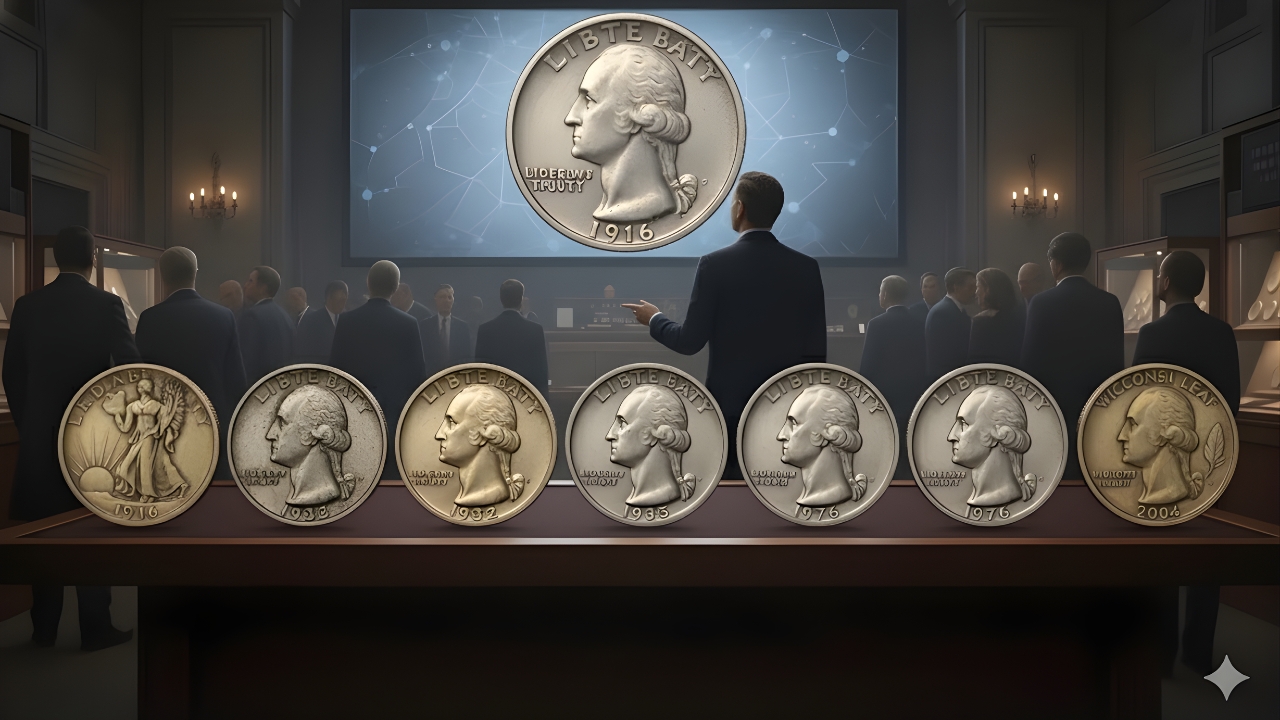
Lincoln Wheat Pennies, officially known as Lincoln Wheat Cents, have long been a favorite among coin collectors. Produced from 1909 to 1958, these coins are instantly recognizable by the wheat stalks adorning the reverse. Once common in everyday transactions, wheat pennies have steadily grown in value, particularly over the last decade. Understanding how their worth has evolved can help both new and seasoned collectors make smarter choices when buying, selling, or building a collection.
What Exactly Is the Appeal of Wheat Pennies
The first Lincoln cents were groundbreaking for U.S. coinage, featuring an actual person rather than symbolic imagery. Collectors are drawn to wheat pennies not only for their historical significance but also for their accessibility. While rare dates and high-grade examples can command substantial sums, even common coins offer an affordable entry point into coin collecting. Variety, mint marks, and production quirks add layers of interest that keep collectors engaged.
How Wheat Penny Values Have Changed in the Last 10 Years
Over the past decade, wheat penny prices have generally trended upward. Common circulation coins remain modestly priced, but scarcity, condition, and collector interest have pushed values higher. Coins in excellent condition, especially those that retain original luster, now sell for significantly more than they did ten years ago. Key dates, low-mintage issues, and error coins have seen the sharpest increases, reflecting both collector competition and limited availability.
What They Are: Key Dates and Rare Varieties
Certain Lincoln Wheat Pennies are highly sought after. Coins like the 1909-S VDB, 1914-D, and 1931-S are essential for collectors seeking to complete a set. Low mintage and historic significance have made these coins much more valuable than common dates. Error coins, including double dies, off-center strikes, and missing details, are particularly prized and can command prices in the thousands.
How Condition Drives Wheat Penny Value
Condition has become one of the most critical factors in determining value. Coins are graded on a scale from poor to mint state, and even small differences in grade can create substantial price gaps. Over the last ten years, demand has increasingly favored coins in near-perfect condition, leading to higher premiums for uncirculated and well-preserved examples.
How Market Factors Influence Prices
The broader coin market has expanded dramatically through online auctions, social media, and digital price guides. Increased exposure has brought more collectors into the hobby, elevating demand for classic coins like wheat pennies. Copper prices have risen slightly, affecting the base material value, but the collector premium far outweighs metal content for rare or high-grade coins.

How to Determine the Value of Your Wheat Pennies
Start by identifying the year and mint mark, typically located near the date on the obverse. Examine the coin’s condition, checking for wear, scratches, discoloration, or unusual features like doubling or off-center strikes. Consulting recent auction results, trusted price guides, and professional grading services will give a more accurate picture of a coin’s value. Collectors should always handle coins carefully to avoid diminishing their worth.
Tips for Building a Wheat Penny Collection
Begin with a range of dates and mint marks to appreciate the variety. As your collection grows, consider upgrading lower-grade coins with higher-quality examples. Learn which dates are key and focus on preserving condition. Storing coins in protective holders and staying updated on market trends will safeguard value and make the hobby more rewarding.

Final Verdict
Lincoln Wheat Pennies remain a cornerstone of American coin collecting. Over the last ten years, prices have steadily risen, especially for key dates, high-grade coins, and rare errors. For collectors, these coins offer both historical significance and long-term value. With careful research, proper handling, and patience, wheat pennies can provide an exciting and profitable addition to any collection.
Disclaimer
Coin values fluctuate based on condition, market demand, and professional grading. Prices mentioned in this article are for informational purposes only and should not be considered financial advice. Always consult certified numismatists or trusted coin guides before buying or selling valuable coins.