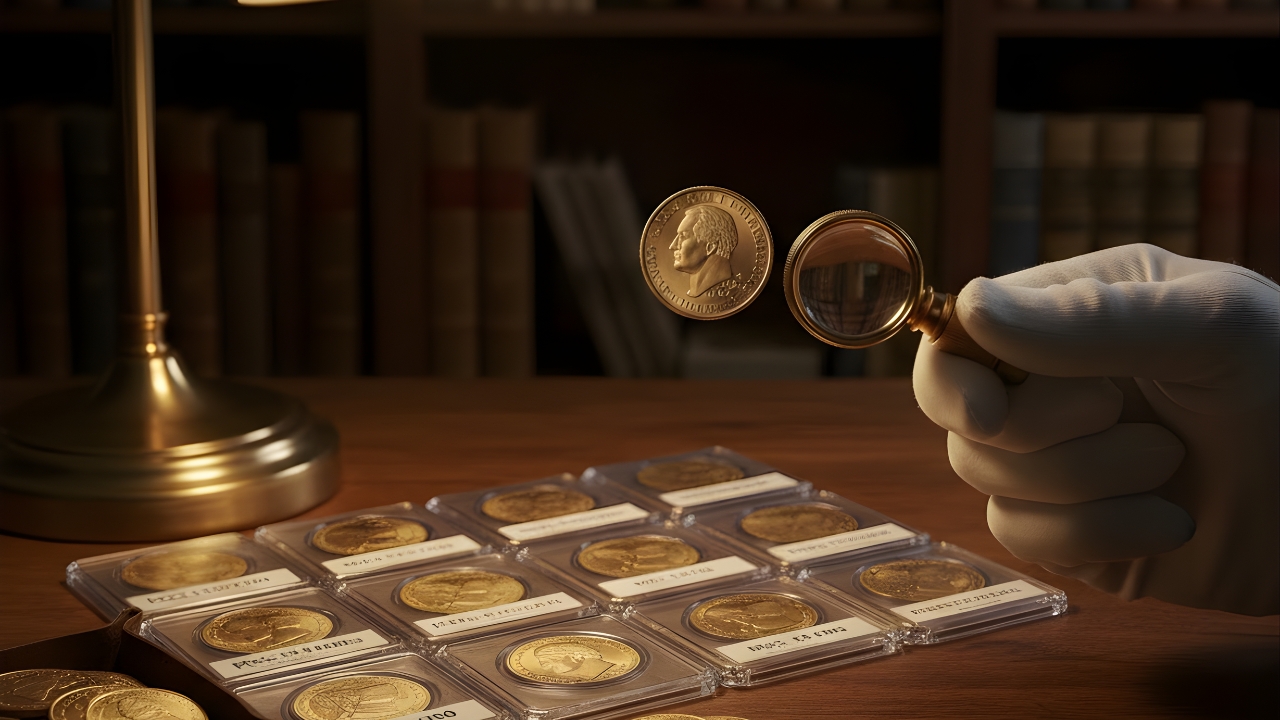
Presidential dollar coins often end up forgotten in drawers, jars, or old wallets. Their golden color makes them look a little different from other change, yet most people treat them like ordinary one-dollar pieces. Because they were introduced fairly recently, many assume these coins carry no special value beyond face value. But for collectors, a small number of Presidential dollars tell a very different story.
While the majority are common, certain errors, limited varieties, and pristine examples have built a quiet reputation in the numismatic world. Some have sold for far more than a dollar, and a few have sparked rumors of extreme prices that sound almost unbelievable. Knowing what’s real and what’s hype can make all the difference when searching your spare change.
What Exactly Is the Presidential Dollar Coin Program
The Presidential Dollar Coin Program began in 2007 as a way to honor former U.S. presidents. Each coin features a portrait of a president on the front and the Statue of Liberty on the reverse. Only presidents who had been deceased for at least two years were eligible, and the coins were released in the order they served.
One unique detail set these coins apart from earlier designs. Instead of placing the date and mint mark on the front or back, the U.S. Mint added them to the edge. This gave the coins a cleaner look and also introduced the possibility of unusual edge-related errors that collectors now watch for closely.
At first, the coins were heavily promoted for everyday use. However, public adoption never really caught on, and many ended up stored rather than circulated. That limited circulation has actually helped some coins remain in excellent condition today.
Why Most Presidential Dollars Are Only Worth Face Value
Despite the interesting designs, most Presidential dollar coins were produced in massive numbers. Millions were struck for each president, creating far more supply than collector demand. When a coin is easy to find, it rarely gains much value.
Circulated examples often show scratches, dull surfaces, or small nicks along the edges. These signs of wear make them less appealing to collectors. Without something unusual about the coin, it usually remains worth exactly one dollar.
This is why it’s important not to assume every Presidential dollar is valuable. The majority simply aren’t rare.

Mint Errors That Can Make a Big Difference
Where things get interesting is with minting mistakes. Errors happen during the production process, and because they are accidental, they’re usually limited in number. That scarcity can turn an ordinary coin into a collectible.
One of the most famous problems involves missing edge lettering. Some early coins left the Mint without the date, mint mark, or motto stamped on the edge. Collectors quickly nicknamed them “godless dollars,” and demand surged almost overnight.

Other errors include doubled inscriptions, off-center strikes, or misaligned designs. These flaws make each coin unique, which is exactly what collectors love. Depending on the error and condition, such coins can sell for many times their face value.
The Importance of Condition and Grading
Condition matters just as much as rarity. A coin that looks freshly minted will almost always sell for more than one that has clearly circulated. Crisp details, bright surfaces, and minimal marks are highly desirable.
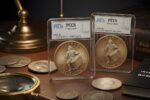
Professional grading services evaluate coins and assign them scores based on preservation. High-grade coins often command strong premiums because buyers trust the official assessment. For rare errors, a top grade can significantly increase the final price.
If you believe you have a special coin, avoiding cleaning or polishing is critical. Even small changes to the surface can reduce its value.
Proof Coins and Collector Editions
Not all Presidential dollars were made for everyday spending. Proof versions were created specifically for collectors. These coins are struck using specially prepared dies and polished blanks, resulting in mirror-like backgrounds and sharp details.
Because proof coins were produced in smaller quantities and usually kept in protective packaging, they often remain in near-perfect condition. Complete proof sets or low-mintage issues can carry higher values than standard circulation coins.

The Truth Behind Multi-Million-Dollar Claims
Occasionally, headlines claim that a Presidential dollar coin is worth millions. These stories grab attention, but they rarely reflect verified sales. As of now, there are no confirmed records of a Presidential dollar reaching anything close to those extreme figures.
Such numbers are often based on speculation or comparisons with older, historically significant coins. While valuable errors do exist, realistic prices are usually in the hundreds or thousands, not millions. Checking auction records and trusted sources helps separate fact from fantasy.
How to Check Your Coins at Home
If you have Presidential dollars, take a close look at the edges first. Make sure the lettering is complete and properly aligned. Then inspect the surfaces for odd shapes, doubling, or anything that looks unusual compared to normal coins.
A magnifying glass and good lighting go a long way. If something stands out, consider showing it to a reputable coin dealer or submitting it for professional grading.

Final Verdict
Presidential dollar coins may seem ordinary, but a few hidden gems have earned serious collector interest. While most are worth only one dollar, certain mint errors, proof issues, and high-grade examples can carry impressive premiums. Staying informed and examining your coins carefully gives you the best chance of spotting something special, while keeping expectations realistic about the true value of these modern collectibles.