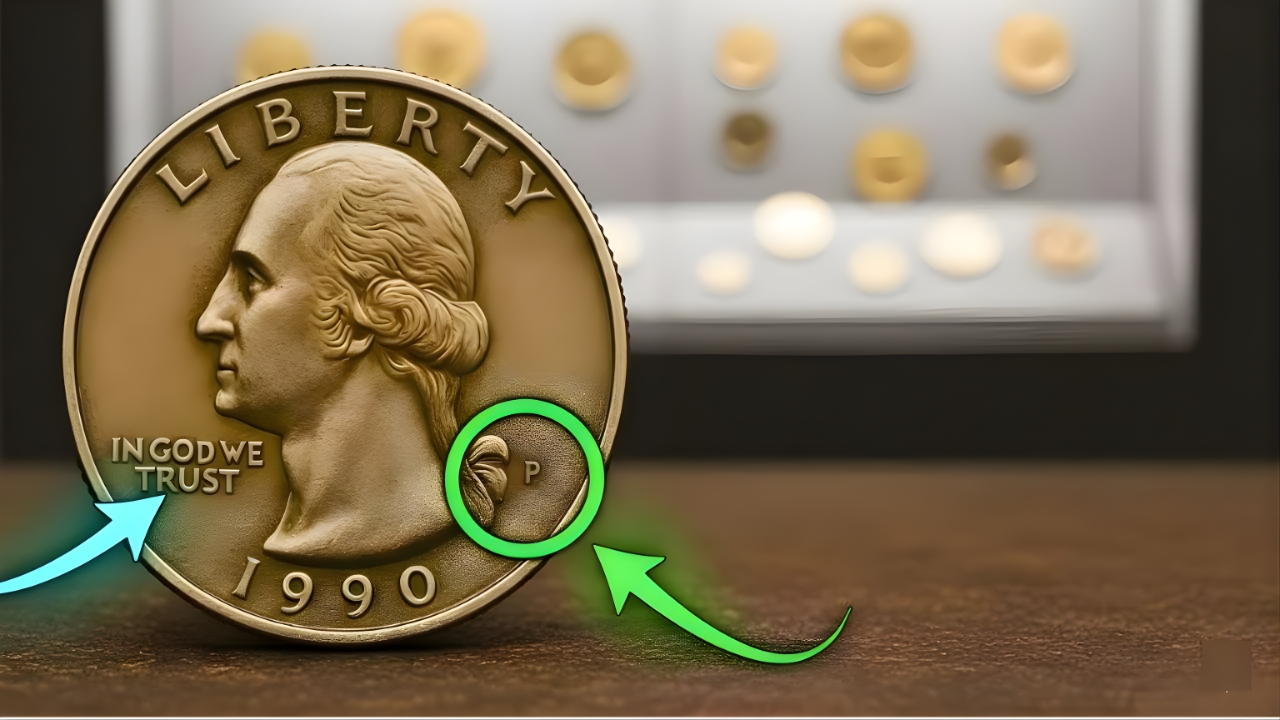
Most people spend quarters without a second thought. They drop them into parking meters, vending machines, or tip jars, assuming every quarter is worth exactly twenty-five cents. What many do not realize is that certain Washington quarters carry far more value than their face amount. Some are worth hundreds, others thousands, and a few exceptional examples have reached even higher levels due to rarity, errors, or historical importance.
The fascination with Washington quarters comes from the fact that they were once everyday money. Unlike ancient coins or limited commemoratives, these quarters circulated widely, which means valuable examples can still surface in old collections, inherited jars, or even modern change. For collectors, this blend of familiarity and hidden potential is what makes Washington quarters so exciting.
What Exactly Is the Washington Quarter
The Washington quarter was first introduced in 1932 to honor the 200th anniversary of George Washington’s birth. Designed by sculptor John Flanagan, the coin features a left-facing portrait of Washington on the obverse and an eagle with outstretched wings on the original reverse design. Although it was initially intended as a one-year commemorative issue, public approval led to its adoption as a regular circulating coin.
Over time, the Washington quarter went through several changes, including shifts in metal composition and reverse designs. From 1932 through 1964, quarters were struck in 90 percent silver. After 1965, rising silver prices led the U.S. Mint to switch to a copper-nickel clad composition. These transitions play a major role in determining a quarter’s value today.
Why Washington Quarters Can Be Valuable
Several factors influence the value of Washington quarters. One of the most important is mintage. Coins produced in low numbers are naturally harder to find, which increases collector demand. Early issues from the 1930s, especially those struck during the Great Depression, fall into this category.
Minting errors are another major driver of value. Coins with doubled lettering, incorrect mint marks, or planchet mistakes were created unintentionally and often escaped detection. Because no two errors are exactly alike, collectors place a premium on these unusual pieces.

Metal content also matters. Pre-1965 silver quarters have intrinsic value due to their silver content, even if they are worn. For rare dates or errors, however, the collector value often far exceeds the worth of the metal alone.
Key Dates Every Collector Should Know
Among Washington quarters, the most famous key dates are from 1932. The 1932-D and 1932-S quarters were produced in much lower numbers than other issues, making them essential coins for anyone building a complete set. Even heavily worn examples of these dates can command strong prices.
Other dates gain value in higher grades, where surviving examples are scarce. Quarters from the 1940s and 1950s are often overlooked, but uncirculated pieces with strong detail and original luster can be surprisingly valuable.
Valuable Errors That Boost Prices
Errors are where Washington quarters become especially interesting. Doubled die obverse coins show noticeable doubling on the date, motto, or lettering, and these are highly sought after. Some errors are subtle, requiring magnification, while others are visible to the naked eye.
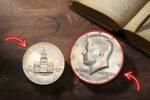
Mint mark errors also attract attention. Overpunched mint marks, where one mint mark was stamped over another, create distinctive varieties that collectors actively search for. Missing mint marks are another category, particularly from years when a mint mark was expected but failed to appear due to a production mistake.
Transitional errors, where a coin is struck on the wrong metal planchet, are among the rarest. These mistakes often occurred during years when the Mint was changing compositions, and they can be worth thousands of dollars when authenticated.
The Importance of Condition
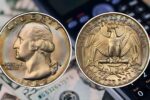
Condition plays a critical role in determining value. A common-date quarter that is heavily worn may be worth only its silver value, while the same coin in mint condition could be worth many times more. Collectors use standardized grading systems to assess wear, luster, and surface quality.
High-grade Washington quarters are especially desirable because many were heavily circulated. Finding one with sharp details and minimal marks is difficult, which drives up demand and price. Professional grading can also add confidence and market appeal for valuable coins.
How to Search for Valuable Washington Quarters
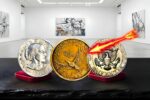
Searching for valuable quarters does not require expensive tools. A good magnifying glass, proper lighting, and patience are often enough. Checking dates and mint marks is the first step, followed by a close look for doubling or unusual features.
Old collections, estate sales, and bank rolls are common sources. When handling coins, it is important to hold them by the edges and avoid cleaning them. Cleaning can permanently reduce a coin’s value, even if it is rare.
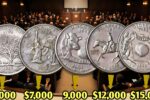
Proper storage also matters. Using protective holders or albums helps preserve condition and prevents damage from moisture or handling.
Why Collectors Still Love Washington Quarters
Washington quarters remain popular because they strike a balance between accessibility and challenge. Beginners can start with affordable silver issues, while advanced collectors pursue rare dates, errors, and top-grade examples. The idea that a valuable coin could still be found in everyday places keeps interest alive.
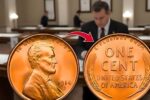
These quarters also connect collectors to American history. Each coin reflects the era in which it was minted, from the hardships of the Great Depression to the economic changes that ended silver coinage.
Final Verdict
Washington quarters are far more than everyday pocket change. Hidden among common coins are rare dates, valuable errors, and historic silver issues that can be worth hundreds or even thousands of dollars. With knowledge, careful inspection, and patience, collectors can uncover remarkable value in a coin many people overlook. The enduring appeal of Washington quarters proves that history and opportunity can still be found in the smallest details.

Disclaimer
This article is for informational purposes only. Coin values vary based on condition, rarity, market demand, and authentication. Prices mentioned are not guaranteed and may change over time. Readers are encouraged to consult professional coin dealers or certified grading services before making any buying, selling, or investment decisions.