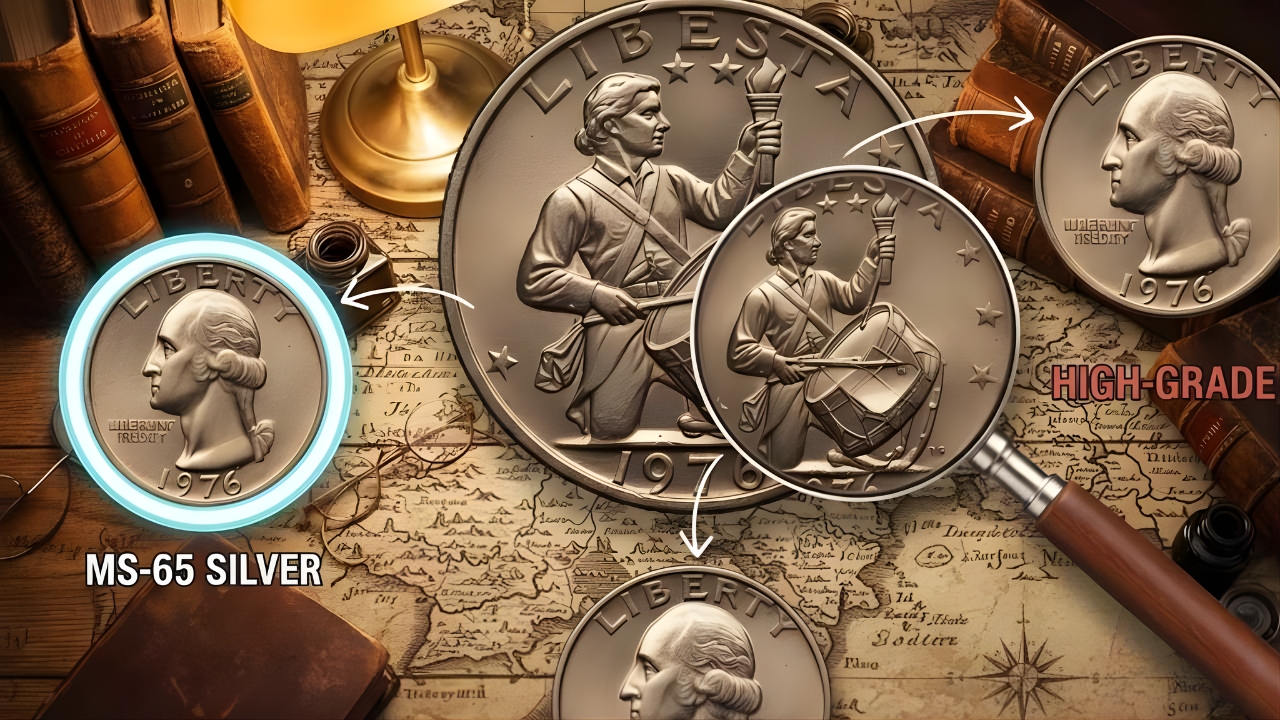
The year 1976 marked a major milestone in American history, celebrating 200 years since the signing of the Declaration of Independence. To honor the Bicentennial, the United States Mint released special coin designs across several denominations. Among them, the Bicentennial quarter quickly became one of the most recognizable and widely collected U.S. coins. With its unique colonial drummer reverse and dual 1776–1976 date, the coin stood apart from every Washington quarter before it.
While most Bicentennial quarters still circulate at face value, a closer look reveals that certain versions are genuinely desirable to collectors. Factors such as mint origin, composition, condition, and minting errors can significantly impact value. For anyone interested in modern U.S. coinage, the 1976 Bicentennial quarter remains an accessible yet fascinating collectible.
What Exactly Is the 1976 Bicentennial Quarter
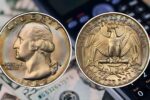
The 1976 Bicentennial quarter was introduced as part of a nationwide commemorative coin program. Unlike standard Washington quarters, it features a colonial drummer holding a torch on the reverse, surrounded by thirteen stars representing the original colonies. The obverse retained George Washington’s portrait but displayed the dual date 1776–1976 instead of a single year.
The design was created by Jack L. Ahr, whose artwork was selected through a public competition. Production of the Bicentennial quarter began in 1975 and continued through 1976, resulting in billions of coins struck across multiple mints. Despite the large numbers, the quarter’s distinctive design and historical meaning have kept it popular with collectors for decades.
Philadelphia Bicentennial Quarters Without a Mint Mark
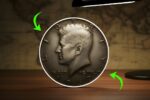
Philadelphia-minted Bicentennial quarters carry no mint mark and were produced in extremely high quantities. As a result, most examples found in circulation today are worth only face value. However, condition plays a major role in determining collectibility.
High-grade Philadelphia Bicentennial quarters with sharp details, clean surfaces, and minimal contact marks are surprisingly difficult to find. Coins that grade MS67 or higher can command strong premiums, especially when professionally certified. Many collectors still search rolls and pocket change hoping to find a pristine example that slipped through circulation untouched.

Denver Mint Bicentennial Quarters and Error Potential
Denver Mint Bicentennial quarters are identified by a small D mint mark. These coins are often known for slightly stronger strikes compared to their Philadelphia counterparts, which can make them more attractive in higher grades.
What truly elevates Denver Bicentennial quarters is the potential for minting errors. Doubled dies, off-center strikes, clipped planchets, and strike-through errors all exist within this issue. Even minor errors can increase a coin’s value, while dramatic mistakes can sell for hundreds or even thousands of dollars depending on severity and condition.

San Francisco Clad Proof Bicentennial Quarters
The San Francisco Mint produced Bicentennial quarters specifically for collectors in proof format. These clad proof coins feature mirror-like backgrounds and frosted design elements, giving them a polished and refined appearance not seen on circulation strikes.
Most San Francisco clad proofs remain affordable, but value increases sharply at the highest grades. Proof coins graded PR69 or PR70 are much scarcer and are highly sought after by registry set collectors. Occasionally, these proof coins entered circulation, making an unexpected discovery especially exciting for collectors.
San Francisco 40 Percent Silver Bicentennial Quarters
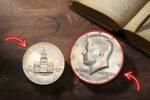
Among all Bicentennial quarter varieties, the San Francisco 40 percent silver version is considered the most desirable. These coins were not released into general circulation and were instead sold as part of special collector sets.
In addition to their historical appeal, these quarters carry intrinsic precious metal value due to their silver content. Well-preserved silver Bicentennial quarters often sell for far more than their melt value, particularly in high grades. Exceptional examples have achieved impressive prices at auctions, making them centerpieces of many Bicentennial collections.
Why Collectors Still Chase Bicentennial Quarters
Bicentennial quarters occupy a unique space in U.S. numismatics. They are modern enough to be widely available yet historic enough to carry emotional and cultural significance. For many collectors, these coins represent a tangible connection to America’s past and a reminder of a nationwide celebration.
Their accessibility also plays a role. Unlike rare 19th-century coins locked away in private collections, Bicentennial quarters can still be found in everyday places. This sense of possibility keeps collectors engaged and encourages new hobbyists to start searching.
How to Identify Valuable 1976 Bicentennial Quarters
Identifying valuable Bicentennial quarters requires careful observation. Checking mint marks helps determine origin, while examining surfaces reveals wear, damage, or signs of proof striking. Weight and appearance can indicate whether a coin is silver, and magnification helps detect doubling or other errors.
Condition remains critical. Even a rare variety can lose much of its value if heavily worn or damaged. For potentially valuable finds, professional grading offers authentication and a clearer understanding of market worth.
Final Verdict
The 1976 Bicentennial quarter is far more than a nostalgic keepsake. While most examples remain common, select varieties offer real collector value. High-grade Philadelphia coins, Denver error strikes, San Francisco clad proofs, and especially San Francisco silver issues continue to attract strong interest.
For collectors willing to learn what to look for, Bicentennial quarters offer history, artistry, and the enduring thrill of discovery. Even decades later, these coins remain one of the most approachable and rewarding areas of modern U.S. coin collecting.
Disclaimer
This article is for informational purposes only. Coin values depend on condition, rarity, grading, and market demand, all of which can change over time. Readers should consult certified coin dealers or professional grading services before making buying or selling decisions.