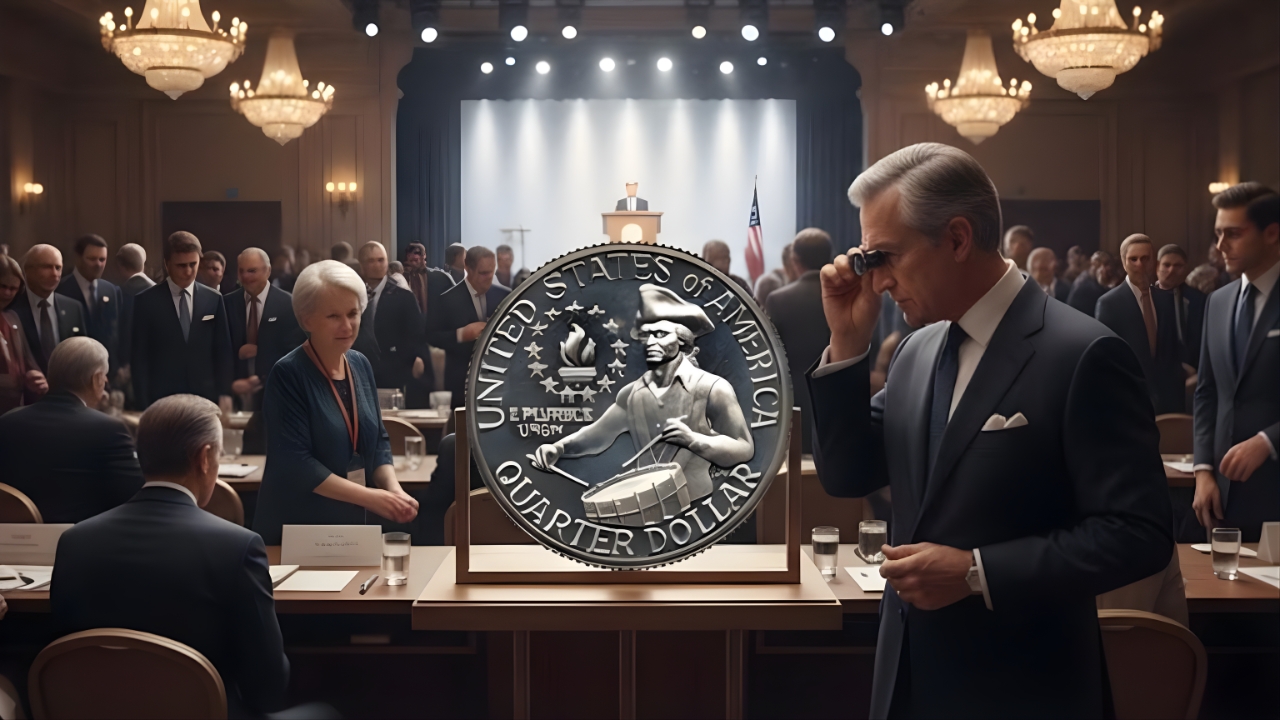
The 1776–1976 Bicentennial Liberty Quarter stands out as one of the most recognizable coins in modern U.S. history. Created to celebrate 200 years of American independence, this quarter captured the spirit of a nationwide celebration and found its way into millions of pockets. While most Bicentennial Quarters are still common today, a closer look reveals that certain versions, materials, and minting mistakes have made some of these coins surprisingly valuable in 2026.
For collectors, the appeal of the Bicentennial Quarter goes far beyond face value. Its dual date, special reverse design, and multiple production types create a wide range of values. Understanding which examples are ordinary and which deserve a second look can make all the difference for anyone sorting through old change or building a focused coin collection.
What Exactly Is the 1776–1976 Bicentennial Liberty Quarter
The Bicentennial Liberty Quarter was issued as part of a special U.S. coinage program honoring the 200th anniversary of American independence. Instead of a single date, these quarters display the dual date “1776–1976,” symbolizing the nation’s journey from its founding to its bicentennial year. Although dated 1976, production began in 1975, and no quarters dated 1975 were released for circulation.
What truly sets this quarter apart is its reverse design. Created by Jack L. Ahr after a national competition, the image features a colonial drummer alongside a victory torch encircled by thirteen stars. This design was used only for the Bicentennial issue, making it a unique chapter in the long history of Washington quarters.

Historical Background and National Significance
The Bicentennial coin program was launched during a time of renewed patriotism in the United States. In addition to quarters, special half dollars and dollar coins were also produced with commemorative reverses. The goal was to create circulating coins that everyday Americans could use while celebrating the nation’s history.
Because these quarters were saved in large numbers as souvenirs, many remain in excellent condition today. This widespread saving is one reason most Bicentennial Quarters are not rare, but it also explains why top-quality examples and unusual varieties stand out even more in the collector market.

Minting Locations and Production Types
Bicentennial Quarters were struck at three U.S. Mint facilities: Philadelphia, Denver, and San Francisco. Philadelphia and Denver produced copper-nickel clad quarters for general circulation. These are the coins most commonly found in pocket change.
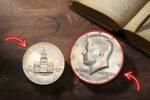
The San Francisco Mint played a different role. It produced proof versions and special collector strikes, including quarters made with 40 percent silver. These silver quarters were never intended for circulation and were sold directly to collectors in special sets. As a result, composition and mint location are key factors in determining value.

Standard Bicentennial Quarter Values in 2026
Most circulated Bicentennial Quarters are worth face value. Their massive production numbers keep them common, even decades later. However, uncirculated examples can sell for a few dollars, especially if they show strong luster and minimal marks.
Proof Bicentennial Quarters made of copper-nickel are also popular. These coins feature mirror-like surfaces and sharper details, and in 2026 they typically sell for a modest premium over face value, depending on condition and original packaging.
Silver Bicentennial Quarter Value and Appeal
Silver Bicentennial Quarters are where values begin to climb more noticeably. Containing 40 percent silver, these coins carry intrinsic metal value that fluctuates with silver prices. Even in average condition, silver examples are worth more than standard clad quarters.
High-quality silver proof Bicentennial Quarters, especially those certified by professional grading services, can command significantly higher prices. Collectors value them for both their silver content and their visual appeal, making them a steady favorite in the market.
Rare Errors That Increase Bicentennial Quarter Prices
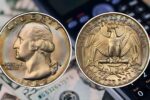
The most valuable Bicentennial Quarters are those with genuine minting errors. Errors such as off-center strikes, double strikes, missing clad layers, and clipped planchets are all desirable. These mistakes are rare because most production errors are caught before coins leave the Mint.
One of the most dramatic and valuable errors involves Bicentennial Quarters struck on the wrong planchet, such as a dime or a foreign coin blank. These unusual pieces can sell for hundreds or even thousands of dollars, depending on the error type and condition. Their rarity and uniqueness make them highly sought after in 2026.
Proof Coins and Mint Sets
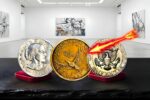
Proof Bicentennial Quarters, particularly those from the San Francisco Mint, remain popular with collectors who appreciate sharp details and flawless finishes. Coins preserved in original government packaging tend to bring higher prices than loose examples.
Mint sets that include Bicentennial Quarters from multiple mints also attract interest. While not rare, these sets offer collectors a well-preserved snapshot of Bicentennial coinage and continue to sell for more than their original issue price.
Why Condition and Grading Matter So Much
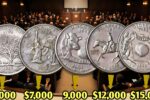
Condition plays a major role in determining Bicentennial Quarter value. A coin with scratches, dull surfaces, or heavy contact marks will be far less desirable than one with clean fields and crisp details. Professional grading adds credibility and helps establish a coin’s true market value.
Coins graded Mint State 65 or higher can be worth several times more than ungraded examples. Proof coins with deep mirrors and minimal blemishes are especially attractive to serious collectors.
Collector Demand and Market Trends in 2026
Interest in Bicentennial Quarters remains steady thanks to their historical significance and distinctive design. While most examples are common, demand stays strong for silver versions, high-grade proofs, and rare errors. Market prices can rise or fall based on silver values and collector trends, making awareness important for both buyers and sellers.
Final Verdict
The 1776–1976 Bicentennial Liberty Quarter is more than just a piece of spare change. While most are common, silver editions, proof strikes, and rare errors can carry meaningful value in 2026. For collectors, these quarters offer a blend of history, accessibility, and discovery, proving that even familiar coins can still hold surprises.

Disclaimer
This article is for informational purposes only. Bicentennial Quarter values vary based on condition, rarity, certification, market demand, and metal prices. Values mentioned are not guaranteed, and readers should consult certified grading services or experienced coin professionals before making buying or selling decisions.