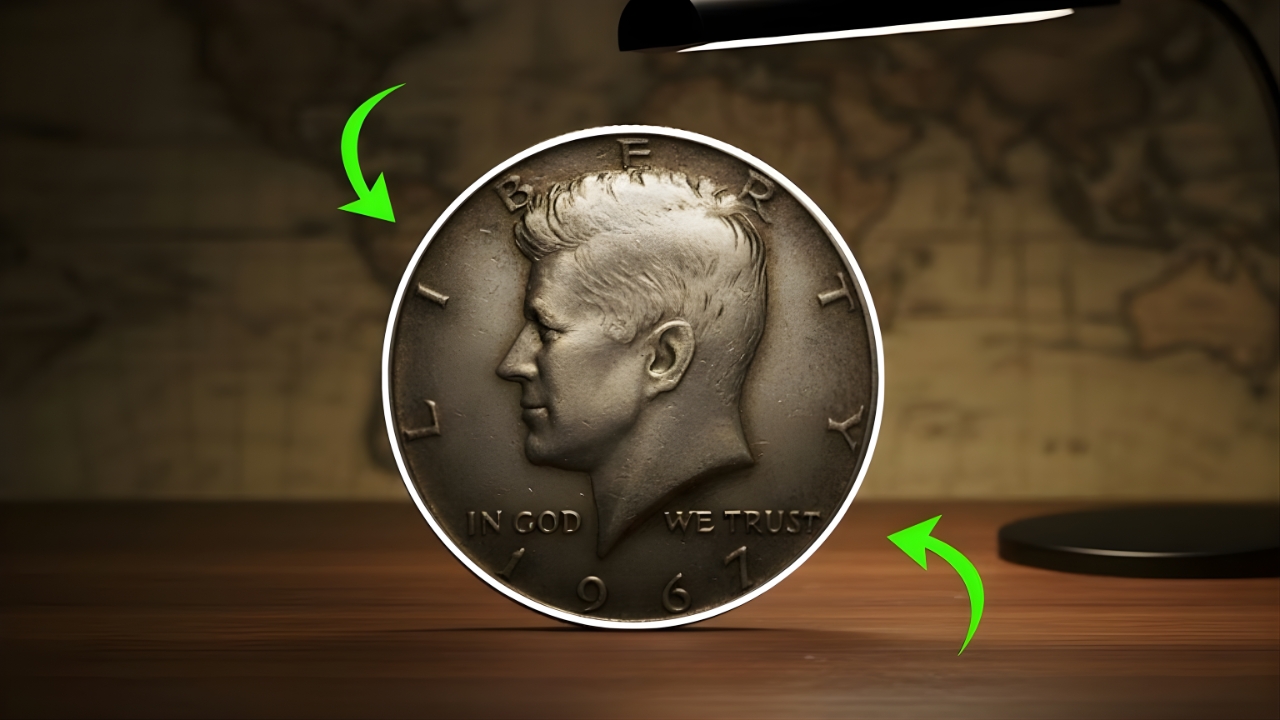
The Kennedy Half Dollar is one of the most emotionally significant coins in U.S. history. Introduced in 1964 shortly after the assassination of President John F. Kennedy, it was embraced by the public almost instantly. Americans saved them as keepsakes, collectors chased the earliest issues, and demand soared beyond expectations. While hundreds of millions of Kennedy Half Dollars have been minted over the decades, a small group of rare varieties stands far above the rest in both value and historical importance.
What makes this series especially appealing is its diversity. The Kennedy Half Dollar includes silver issues, experimental strikes, proof rarities, dramatic mint errors, and even modern gold editions. Some were never released into circulation, while others were struck under unusual conditions that make them exceptionally scarce today. Understanding these coins helps collectors recognize why certain examples command premium prices in 2026.
Before diving into individual rarities, it is important to note that Kennedy Half Dollar values depend heavily on condition, originality, and authentication. Many of the most valuable examples are certified by major grading services, which adds credibility and market confidence.
What Exactly Is the Kennedy Half Dollar and Why It Matters
The Kennedy Half Dollar debuted in 1964 as a memorial coin honoring President John F. Kennedy. Designed by Gilroy Roberts and Frank Gasparro, the coin replaced the Franklin Half Dollar and immediately captured public attention. The first-year issue was struck in 90 percent silver, which added intrinsic value on top of its symbolic meaning.

From 1965 to 1970, the composition changed to 40 percent silver, and after 1970, regular circulation issues were struck in copper-nickel clad. Throughout this transition, the U.S. Mint experimented with finishes, minting methods, and special issues, unintentionally creating some of the rarest modern U.S. coins. These variations, along with minting errors and limited releases, are what define the most valuable Kennedy Half Dollars today.
Early Silver Rarities From the 1960s
Among the most famous Kennedy Half Dollars is the 1964 Accented Hair Proof. This early proof variety features stronger hair detailing above Kennedy’s ear, which was quickly softened after Jacqueline Kennedy requested a design change. Only a small portion of proof coins show this feature, making it highly desirable and often worth thousands in high grades.
Even rarer is the 1964 Special Mint Set Kennedy Half Dollar. These coins display a unique satin-like finish and sharper details, believed to be experimental strikes. With only a handful known, this coin is considered a crown jewel of the series and can sell for tens of thousands of dollars.
The mid-1960s also produced the 1965, 1966, and 1967 Special Mint Set Half Dollars. Proof sets were temporarily discontinued during this period, and SMS coins were issued instead. Their unusual surfaces and limited production make them highly collectible, especially in pristine condition.
The Legendary 1970-D Kennedy Half Dollar
The 1970-D Kennedy Half Dollar is one of the most famous key dates in the series. It was never released into circulation and was available only through mint sets. Many were broken out and spent over time, making high-grade examples increasingly scarce. Because it is also the final year of silver content in the Kennedy Half Dollar series, demand remains strong, and premium prices are common in 2026.
Error Coins That Drive Collector Demand
Minting errors add another layer of excitement to Kennedy Half Dollar collecting. The 1971-D Doubled Die Obverse shows noticeable doubling on design elements and is highly sought after. The 1972-D No FG variety, missing the designer’s initials on the reverse, is another standout error that commands impressive prices.
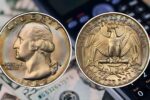
The 1974-D Doubled Die Obverse is also popular among collectors, especially when the doubling is clearly visible. These error coins are valued not just for rarity, but for the unmistakable visual traits that set them apart from standard issues.
Proof Rarities With Distinct Mint Marks
Proof Kennedy Half Dollars are often common, but certain varieties are anything but ordinary. The 1979-S Type 2 and 1981-S Type 2 Proofs feature a clearer, more defined “S” mint mark compared to the earlier Type 1 versions. These subtle differences are critical to collectors and can mean the difference between a modest value and a significant premium.

High-grade proof coins with deep cameo contrast are especially desirable, as they showcase the design with exceptional clarity and visual appeal.
Modern Kennedy Half Dollar Treasures
Modern issues have produced their own rarities. The 1998-S Matte Finish Kennedy Half Dollar was included only in a special two-coin set and features a unique texture unlike standard proofs. Its limited availability and distinctive appearance make it a collector favorite.
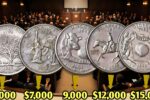
The 2014-W Gold Kennedy Half Dollar marked the 50th anniversary of the series and was struck in 24-karat gold. While modern, its precious metal content and commemorative nature have secured its place among valuable Kennedy Half Dollars.
Bicentennial and Cameo Standouts
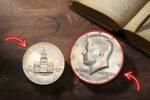
The 1976 Bicentennial Kennedy Half Dollar remains popular, particularly silver versions struck for collectors. While not as rare as some earlier issues, high-grade examples and silver proofs continue to attract strong interest.
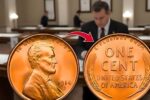
The 1968-S Proof Kennedy Half Dollar with deep cameo contrast is another standout, prized for its dramatic black-and-white appearance and overall eye appeal.
Final Verdict
The Kennedy Half Dollar series offers one of the richest collecting experiences in U.S. numismatics. From the emotionally charged 1964 silver issues to experimental SMS coins, dramatic errors, proof rarities, and modern gold tributes, these 17 rare Kennedy Half Dollars represent history, artistry, and scarcity combined. In 2026, collector demand remains strong, and truly rare examples continue to command impressive prices. For enthusiasts, these coins are more than investments; they are tangible connections to a pivotal era in American history.

Disclaimer
This article is for informational purposes only. Coin values can change based on condition, rarity, market demand, and grading standards. Readers are encouraged to consult professional numismatists or certified grading services before making buying, selling, or investment decisions.