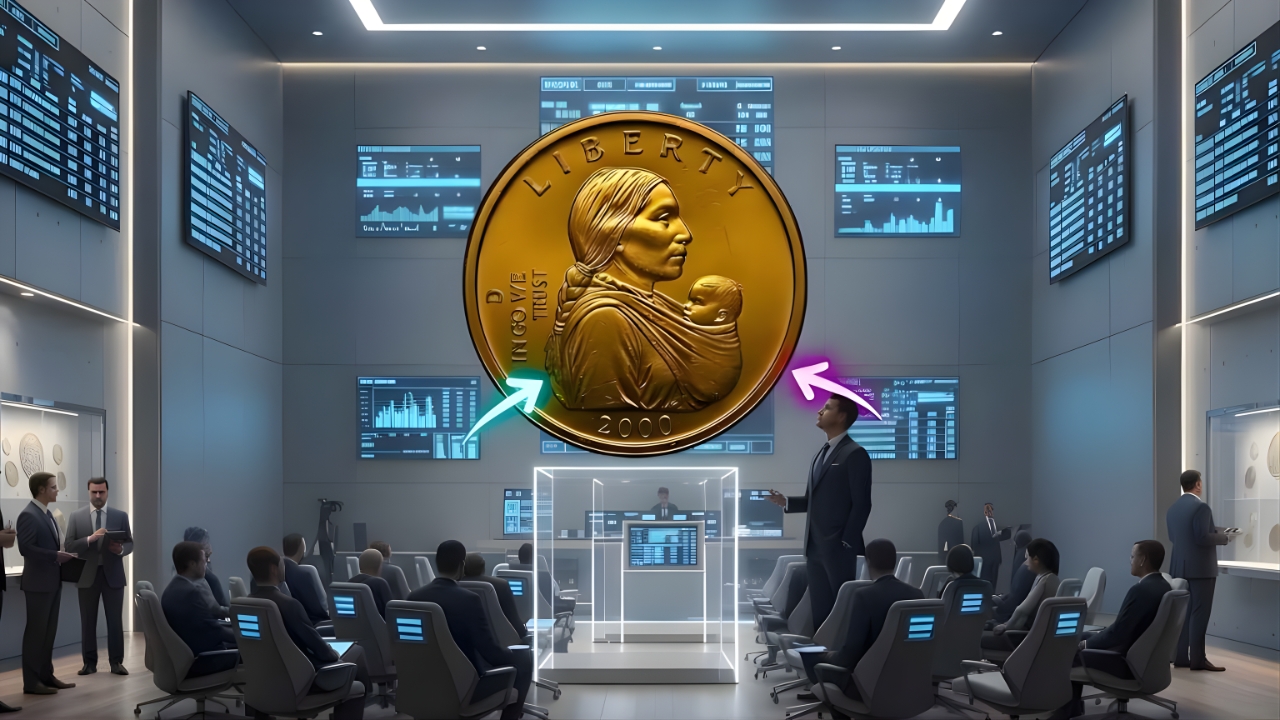
Coins often pass through our hands without a second thought, yet some of them quietly carry history, artistry, and sometimes surprising value. The Sacagawea Dollar is one of those coins that sparks curiosity every time it shows up in change. Its golden color and distinctive design set it apart from other modern U.S. coins, and over the years it has become the subject of dramatic headlines claiming that certain examples could be worth as much as 21 million dollars.
Before anyone starts digging through drawers or coin jars expecting instant riches, it’s important to separate fact from fiction. While a few Sacagawea Dollars are genuinely valuable, the multi-million-dollar figure is more myth than reality. Still, there are rare varieties that collectors eagerly search for, and knowing what to look for can make the difference between an ordinary dollar and a meaningful collectible.

What Is the Sacagawea Dollar and Why Was It Created?
The Sacagawea Dollar was introduced in 2000 as part of the U.S. Mint’s effort to revive interest in dollar coins. The earlier Susan B. Anthony Dollar had struggled in circulation, largely because it was easily confused with a quarter. To solve that problem, the Mint created a larger coin with a warm, golden color that would be easy to recognize.
The obverse features Sacagawea, the Shoshone woman who guided the Lewis and Clark expedition across the American West. She is shown carrying her infant son, Jean Baptiste, a design created by sculptor Glenna Goodacre. The original reverse shows a soaring eagle, symbolizing peace and freedom. Later years introduced different reverse themes as part of the Native American $1 Coin Program.
Despite its eye-catching appearance, the coin never became widely used in everyday transactions. Many people saved them as souvenirs or collectibles rather than spending them, which helped build a steady following among coin enthusiasts.
Why the “$21 Million” Claim Exists
You may have seen articles or videos suggesting that a Sacagawea Dollar could be worth 21 million dollars. It’s a dramatic number, but there is no verified sale or auction record anywhere near that amount. In reality, even the rarest examples sell for thousands or, at most, tens of thousands of dollars.
So where does the number come from? Often, it’s the result of exaggerated headlines meant to grab attention. In some cases, people confuse theoretical or speculative values with real-world sales. While it’s fun to imagine striking it rich, serious collectors rely on documented auction results and expert appraisals, not viral claims.
That said, certain Sacagawea Dollars truly are worth more than face value, sometimes significantly more.
The Cheerios Dollar and Other Rare Varieties
One of the most famous Sacagawea Dollar varieties is the “Cheerios Dollar.” In 2000, the Mint partnered with a cereal promotion, placing newly minted dollars inside selected boxes of Cheerios. About 5,500 coins were distributed this way.
At first glance, these coins look normal. However, some feature a prototype reverse with sharper, more detailed tail feathers on the eagle. This subtle design difference makes them highly desirable. Well-preserved examples have sold for several thousand dollars, and occasionally more, depending on condition.
Other collectible types include proof coins struck at the San Francisco Mint. These have mirror-like fields and frosted designs, giving them a special, polished appearance. Because they are made specifically for collectors and often produced in smaller quantities, they can command higher prices.
Error coins are another category to watch. Mistakes such as doubled dies, off-center strikes, or coins struck on the wrong metal blank can turn an ordinary dollar into a valuable find.

How Mint Errors Increase Value
Mint errors happen when something goes wrong during production. Although the Mint has strict quality control, small mistakes occasionally slip through.
A doubled die might show overlapping letters or numbers. An off-center strike may leave part of the design missing. Coins struck on the wrong planchet can look thinner, thicker, or even display the wrong color. These unusual characteristics immediately catch a collector’s eye.
Because error coins are accidental and usually scarce, they often attract strong demand. The rarer and more dramatic the mistake, the higher the potential value. This is why some Sacagawea error coins sell for hundreds or thousands of dollars instead of just one.
How to Identify a Valuable Sacagawea Dollar
If you’re curious whether your coin might be special, start with a careful inspection. Check the date and mint mark. Coins from 2000 are especially important because that’s the first year of issue and includes the Cheerios variety.
Look closely at the eagle’s tail feathers on the reverse of 2000 coins. Enhanced detail could indicate a prototype design. A magnifying glass can help you spot fine differences that aren’t visible to the naked eye.
Examine the coin’s condition as well. Sharp details, clean surfaces, and minimal wear make a big difference in value. Coins that look freshly minted are generally worth more than those that have been heavily circulated.
If you notice anything unusual, consider having the coin authenticated and graded by a professional service. Certification provides peace of mind and can significantly increase marketability.
The Importance of Condition and Grading
Condition is everything in coin collecting. Two identical coins can have very different prices simply because one is scratched or worn while the other is pristine.

Collectors use grading scales to measure quality. Coins graded MS65 or higher are considered near-gem or gem condition and often sell for premiums. Proof coins in flawless condition can also command strong prices.
Proper storage matters too. Keeping coins in protective holders and avoiding direct handling helps preserve their surfaces and long-term value.
Why People Still Love Collecting Them
Even though most Sacagawea Dollars are only worth a dollar, they remain popular with collectors. Part of the appeal comes from their historical theme and distinctive design. They represent both Native American heritage and a modern chapter in U.S. coinage.
For many enthusiasts, the joy isn’t just about money. It’s about learning history, completing sets, and the excitement of discovery. Finding a rare variety, even one worth a few hundred dollars, can feel like striking gold.
Final Verdict
The idea of a 21 million dollar Sacagawea Dollar makes for an exciting story, but it’s not supported by real-world evidence. Still, certain rare varieties such as Cheerios Dollars, proofs, and error coins can be genuinely valuable. With a bit of knowledge and careful observation, you might uncover a small treasure hiding in plain sight.
Disclaimer
This article is for informational purposes only. Coin values, availability, and market prices may change over time and vary by condition or region. Always confirm details with official mint sources or certified numismatic professionals before buying, selling, or investing in collectible coins.