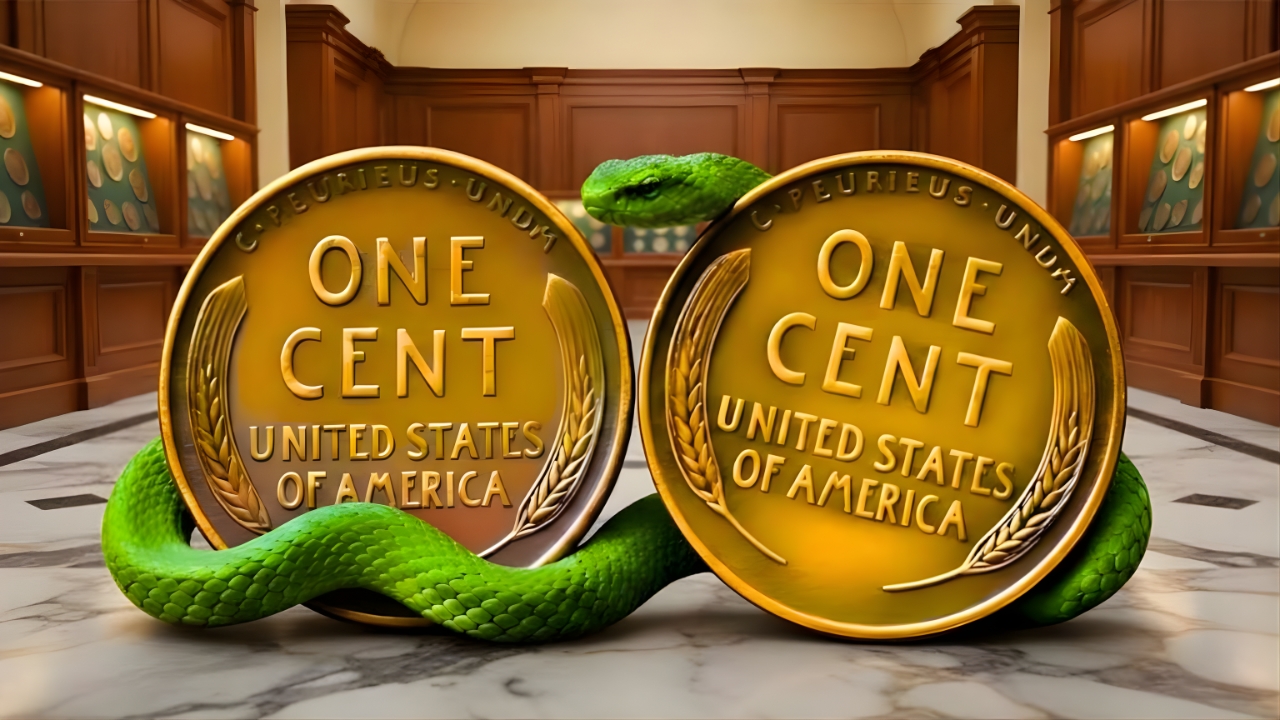
The Lincoln Wheat Penny is one of those coins almost every American has seen at some point, whether tucked into an old jar, passed across a store counter decades ago, or saved in a childhood collection. At first glance it looks simple and ordinary, yet this modest one-cent piece holds a remarkable place in U.S. history. From its groundbreaking design to its rare and valuable varieties, the Wheat Penny has become a cornerstone of American numismatics and a favorite among collectors of all experience levels.
More than just money, these pennies tell stories. They reflect changing artistic tastes, national challenges like wartime shortages, and the everyday lives of the people who once spent them. That mix of history and accessibility is exactly what keeps the Lincoln Wheat Penny relevant and collectible today.

What Is the Lincoln Wheat Penny and Why Did It Change U.S. Coinage?
The Lincoln Wheat Penny was first issued in 1909 to commemorate the 100th anniversary of Abraham Lincoln’s birth. It marked a significant shift in American coin design. Before this, most circulating coins featured symbolic figures such as Lady Liberty rather than real people. Putting Lincoln’s portrait on a coin broke with tradition and set the stage for future coins honoring historical figures.
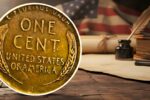
Sculptor Victor David Brenner created the design. The obverse shows Lincoln’s profile, dignified and calm, while the reverse features two wheat stalks curving along the sides of the coin. The wheat symbolized prosperity and growth, giving the coin its popular nickname, the Wheat Penny or Wheat Cent.
The public quickly embraced the design. Many Americans appreciated carrying a tribute to one of the nation’s most respected presidents. That emotional connection helped the coin become more than just small change; it became a familiar piece of national identity.
The Early Controversy That Created a Rare Classic
Despite the coin’s popularity, it wasn’t without drama. Brenner placed his initials, VDB, prominently on the reverse. Some critics felt the letters were too bold and distracting. Under pressure, the Mint removed the initials shortly after production began.

This quick change created an unexpected rarity. A limited number of coins struck at the San Francisco Mint still featured the initials. These 1909-S VDB pennies are now among the most famous coins in American collecting. Because so few were made, they can sell for thousands of dollars, especially in higher grades.
What began as a small design controversy ultimately produced one of the hobby’s most sought-after treasures.
A Coin That Lived in Everyday America
For nearly 50 years, from 1909 to 1958, the Wheat Penny was part of daily life. It bought candy, newspapers, bus fares, and small necessities. Generations handled these coins without giving them much thought.
Because they circulated so widely, Wheat Pennies became deeply woven into American culture. Even today, many people feel nostalgic when they find one. Each coin may have passed through countless hands, connecting modern collectors with the past in a very tangible way.

This everyday history is part of the series’ charm. Unlike rare commemoratives, Wheat Pennies truly earned their place in people’s pockets.
Wartime Changes and the Famous 1943 Steel and Copper Pennies
The Wheat Penny also reflects moments of national challenge. During World War II, copper was needed for ammunition and military equipment. In 1943, the Mint switched to zinc-coated steel to conserve resources.
These steel cents looked silver instead of copper and were often mistaken for dimes. While most 1943 pennies are steel, a few copper blanks from the previous year accidentally slipped into production. The result was the legendary 1943 copper penny.
Because only a tiny number were made, these copper coins are extremely rare. Some have sold for hundreds of thousands of dollars at auction. Their combination of error and historical significance makes them among the most famous coins ever produced.
Key Dates and Valuable Error Varieties
Over the decades, several Wheat Pennies have gained special status among collectors. The 1914-D penny is scarce because of low mintage, making high-quality examples particularly valuable. The 1922 “No D” penny resulted from worn dies that failed to stamp the mint mark, creating an unusual and desirable variety.
Another favorite is the 1955 doubled die penny. Strong doubling on the date and lettering makes this error easy to spot, even without magnification. Its dramatic appearance has made it one of the most recognizable error coins in the hobby.

These varieties show how small minting differences can create big collector demand.
The Transition to the Lincoln Memorial Design
By the late 1950s, the Mint decided it was time for a new look. In 1959, the reverse design changed to feature the Lincoln Memorial. This marked the end of the Wheat Penny era.

Although production stopped, interest didn’t fade. Instead, collectors began saving Wheat Pennies more actively, recognizing the series as a complete chapter in American coin history. The 1909–1958 run became a popular goal for date-and-mint set collectors.
Today, finishing a full Wheat Penny collection remains one of the most satisfying challenges for hobbyists.

How Condition Influences Value
When it comes to price, condition matters just as much as rarity. A heavily worn coin might only be worth face value, while the same date in pristine condition can be worth many times more.
Coins with sharp details, original luster, and minimal marks command the highest premiums. Professional grading services assign standardized grades, and coins rated MS65 or higher are especially desirable.
Careful storage is essential. Avoid cleaning coins, as this can damage surfaces and reduce value. If you suspect a coin might be rare, professional authentication is always a smart step.
Why Wheat Pennies Still Captivate Collectors
Even with modern coins available, Wheat Pennies remain a favorite entry point into collecting. They are affordable, widely available, and rich in history. Searching through old collections or bank rolls feels like a treasure hunt, with the possibility of discovering a key date or valuable error.
Beyond the financial aspect, these coins offer a connection to earlier generations. Holding one is like holding a small piece of American history.
Final Thoughts
The Lincoln Wheat Penny stands as a lasting symbol of American heritage, design, and everyday life. From its historic debut in 1909 to its retirement in 1958, it helped shape the future of U.S. coinage while creating countless stories for collectors. Whether common or rare, each Wheat Penny carries a legacy that continues to inspire curiosity and appreciation.
Disclaimer
This content is for informational purposes only. Coin values, availability, and prices may change over time depending on rarity, condition, and market demand. Always consult certified numismatic professionals or official sources before buying, selling, or investing in collectible coins.