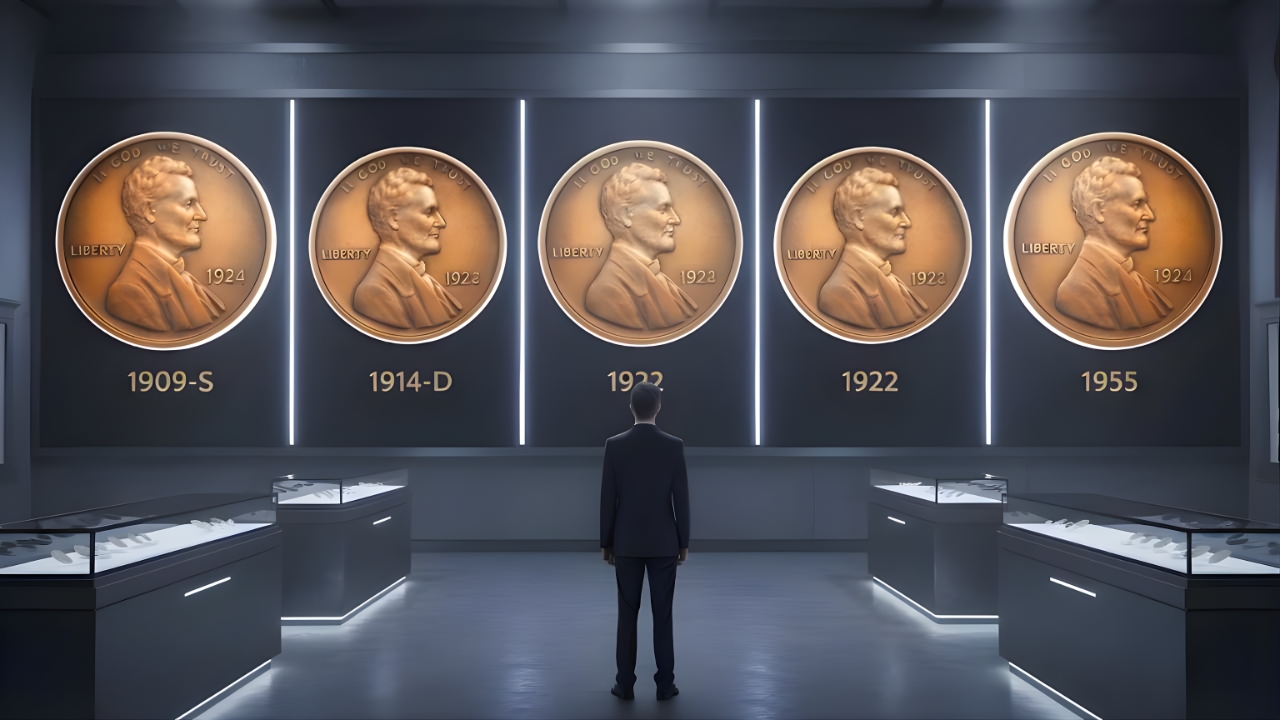
Wheat pennies, officially known as Lincoln Wheat Cents, have long held a special place in American coin collecting. Minted from 1909 to 1958, these coins are instantly recognizable by the two wheat stalks on the reverse and Abraham Lincoln’s portrait on the front. For many collectors, wheat pennies are the first step into numismatics, thanks to their affordability, history, and the thrill of possibly discovering a valuable date or variety.
Over the last ten years, wheat penny values have shown steady but meaningful changes. While most remain inexpensive, certain coins have quietly climbed in price, especially those in high grades or from scarce mint years. Understanding how and why these values have shifted can help collectors make smarter decisions, whether they are sorting through old jars or building a focused collection.

What Exactly Is the Lincoln Wheat Penny
The Lincoln Wheat Penny was introduced in 1909 to commemorate the 100th anniversary of Abraham Lincoln’s birth. It was the first U.S. coin to feature a real person rather than a symbolic figure. Designed by Victor David Brenner, the coin remained in production until 1958, when it was replaced by the Lincoln Memorial reverse.
These pennies were struck primarily in copper, giving them intrinsic metal value alongside collector appeal. Over time, billions were minted, but survival rates vary widely depending on the year, mint mark, and condition. This mix of abundance and rarity is what makes wheat pennies so fascinating to collectors.

Why Wheat Pennies Continue to Attract Collectors
Wheat pennies sit at a sweet spot in coin collecting. They are old enough to feel historical but common enough that new collectors can easily get started. Many people still find them in inherited collections, estate sales, or old rolls tucked away for decades.
Their appeal also comes from the variety within the series. Some dates are extremely common, while others are scarce and highly sought after. Add in mint marks from Philadelphia, Denver, and San Francisco, plus notable errors and varieties, and the series offers endless learning opportunities without requiring massive investment upfront.

Key Factors That Influence Wheat Penny Values
Several elements determine how much a wheat penny is worth. The year and mint mark are often the first things collectors check, as some combinations are far rarer than others. Condition plays an equally important role, with sharp details and original surfaces commanding higher prices.
Collector demand also affects value. Coins that are popular for completing date-and-mint sets tend to hold stronger prices. Finally, broader market trends, including interest in copper coins and online auction activity, can push values up or down over time.

Price Trends of Common Wheat Pennies Over the Last 10 Years
For common wheat pennies, the past decade has been relatively stable. Coins from heavily minted years, especially those with visible wear, are still usually worth only a few cents above face value. However, even these modest coins have seen slight increases due to growing interest in vintage coinage.
Well-preserved examples tell a different story. Uncirculated or lightly worn common dates have gradually become harder to find, and prices for these have risen accordingly. Collectors today are more selective, often willing to pay a premium for cleaner coins even if the date itself is not rare.
Rare Dates and How Their Values Have Changed
Certain wheat pennies have shown more dramatic price movement over the last ten years. The famous 1909-S VDB remains one of the most desirable coins in the series. Around a decade ago, lower-grade examples often sold for several hundred dollars. Today, those same coins regularly exceed that range, with high-grade examples reaching several thousand dollars.
Other key dates such as the 1914-D and 1931-S have also appreciated steadily. These coins were minted in smaller quantities, and collector demand has remained strong. As more collectors aim to complete full sets, competition for these scarce dates has pushed prices upward.

The Growing Importance of Coin Condition
Condition has become increasingly important in recent years. Collectors are paying closer attention to grading standards, and professionally graded coins often sell for significantly more than raw examples. A wheat penny in mint condition can be worth many times more than the same coin with heavy wear.
Over the past decade, the market has clearly rewarded quality. Even common dates in high grades have experienced price growth, as collectors recognize how difficult it is to find well-preserved examples after decades of circulation.

How Market Trends Have Shaped Wheat Penny Prices
Broader trends in the coin market have influenced wheat penny values as well. Online marketplaces and social media have made coin collecting more visible and accessible, bringing in new collectors who may not have entered the hobby otherwise.
Copper prices have also played a small role, giving wheat pennies a modest base value due to their metal content. However, collector demand remains the primary driver. Interest in U.S. history and tangible assets has helped keep wheat pennies relevant in a changing market.

How to Estimate the Value of Your Wheat Pennies
Evaluating wheat pennies starts with identifying the year and mint mark. Next, examine the coin’s condition, paying attention to wear, scratches, and overall eye appeal. Look for any unusual features, such as doubled dies or minting errors, which can significantly increase value.
Price guides and recent auction results provide helpful benchmarks, but for potentially valuable coins, professional grading can offer clarity and confidence. A graded coin often sells more easily and for a higher price than an ungraded one.

Smart Tips for Building a Wheat Penny Collection
Successful collectors take a patient approach. Rather than chasing every coin, focus on improving quality over time. Learning key dates and varieties helps avoid missed opportunities, while proper storage protects coins from damage.
Keeping an eye on market trends can also be beneficial. While wheat pennies are generally stable, demand does shift, and staying informed helps collectors make better decisions when buying or selling.
Final Verdict
Wheat pennies have proven their staying power over the last ten years. While most remain affordable, rare dates and high-grade examples have shown consistent growth, rewarding collectors who pay attention to detail. With their rich history and approachable prices, wheat pennies continue to offer both enjoyment and long-term value for collectors of all levels.
Disclaimer
This article is for informational purposes only. Coin values can vary based on condition, rarity, and market demand. Readers should consult professional numismatists or reputable dealers for accurate appraisals or buying and selling advice.