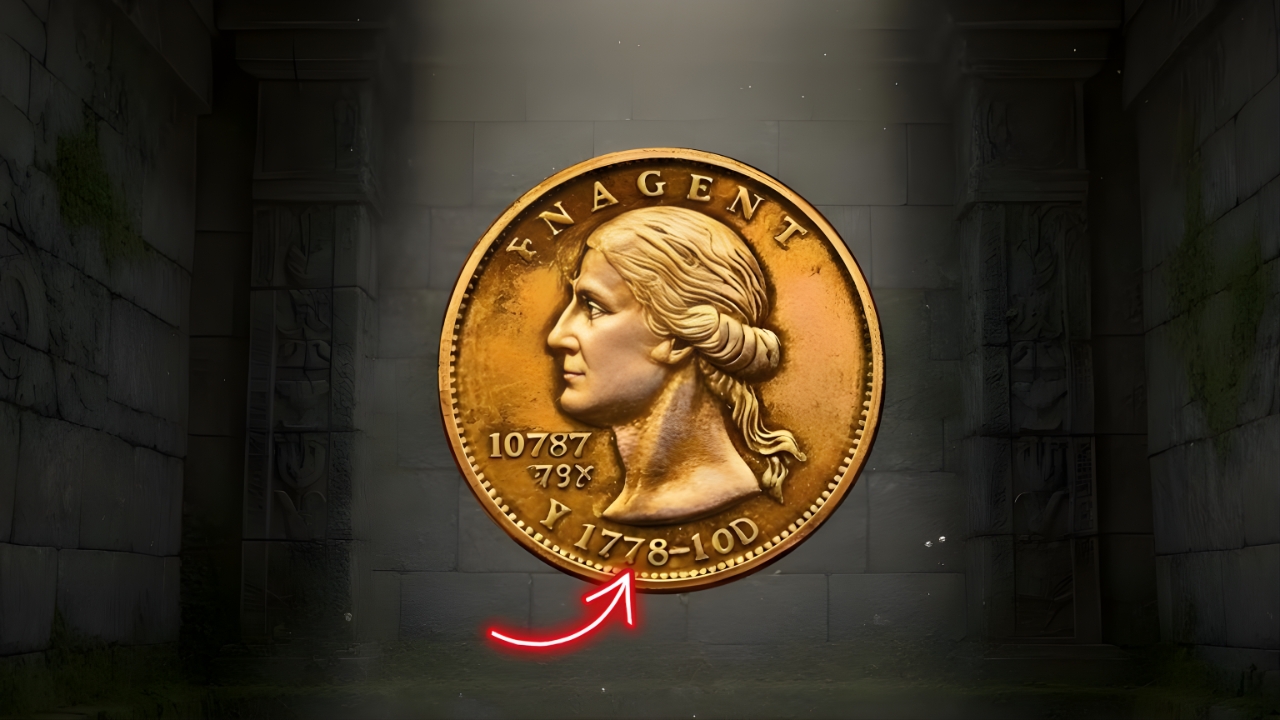
The Lincoln Wheat Penny is one of those coins nearly everyone has handled at some point, whether tucked into a childhood piggy bank or discovered in an old jar of spare change. For decades it served as everyday money, yet today it holds a special place in the hearts of collectors. What looks like an ordinary copper cent can sometimes turn out to be a historic rarity worth far more than one cent. That mix of familiarity and surprise is exactly what keeps the Wheat Penny series so fascinating.
From its debut in 1909 through its final year in 1958, the Wheat Penny witnessed wars, economic shifts, and sweeping changes in American life. Along the way, certain dates, mint marks, and minting errors became scarce. Understanding how values changed year by year helps collectors know what to look for and why some coins command impressive prices while others remain common.
Even if you are new to coin collecting, learning the story behind these cents can turn an ordinary handful of change into a small treasure hunt. A careful look at dates and details might reveal something far more valuable than expected.
What Exactly Is the Lincoln Wheat Penny and Why Is It So Popular
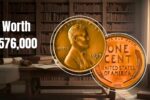
The Lincoln Wheat Penny, often simply called the Wheat Cent, was introduced in 1909 to mark the 100th anniversary of Abraham Lincoln’s birth. It was the first U.S. coin to feature a real historical figure instead of a symbolic image like Liberty. Designed by Victor David Brenner, the front shows Lincoln’s portrait, while the back displays two wheat stalks framing the words One Cent.

This design remained in circulation for nearly 50 years, longer than many other coin types. Because billions were minted, most examples are still easy to find. Yet within that massive production are small pockets of scarcity. Limited mintages, unusual die errors, and historical quirks created a handful of coins that collectors eagerly chase. That balance between common and rare makes the series approachable for beginners and exciting for experts.
The Early Years and the Famous 1909-S VDB
The first year of production immediately produced one of the most famous coins in American numismatics. The 1909-S VDB cent included the designer’s initials on the reverse. Some members of the public felt the initials were too prominent, and the Mint quickly removed them. As a result, only a small number were struck at the San Francisco Mint.

Today, the 1909-S VDB is considered a cornerstone of any Wheat Penny collection. Even worn pieces can sell for hundreds of dollars, while sharp, well-preserved examples can reach several thousand. Its story shows how a small design change can create instant rarity.
Key Dates of the 1910s
As production expanded in the 1910s, most coins from Philadelphia were made in large numbers and are easy to find. Denver and San Francisco issues, however, often had lower mintages. The standout rarity from this decade is the 1914-D.
Because relatively few were struck and most entered circulation, high-grade survivors are scarce. Collectors often spend years searching for a nice example. Even heavily circulated coins hold strong value, making the 1914-D one of the most important dates in the entire series.
The 1920s and the Unusual 1922 No D
The 1920s are generally less dramatic in terms of rare dates, but one fascinating error steals the spotlight. In 1922, all Lincoln cents were produced at the Denver Mint. Due to worn or clogged dies, some coins were struck without the usual “D” mint mark.
This created the famous 1922 No D variety. Since no Philadelphia cents should exist for that year, the missing mint mark makes the coin immediately suspicious and highly collectible. Well-defined examples have sold for thousands or even tens of thousands of dollars, depending on condition.
The 1930s and Depression-Era Collectibles
During the Great Depression, the Mint produced large numbers of cents for commerce. Most 1930s Wheat Pennies are common and affordable, making them easy for collectors to obtain. However, the 1931-S stands out for its relatively low mintage.
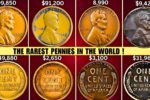
Though not as rare as earlier key dates, it remains popular because fewer were saved at the time. High-grade coins with original luster often command strong premiums. For many collectors, it is the only truly challenging date from the decade.
Wartime Pennies of the 1940s
The 1940s brought some of the most exciting stories in the Wheat Penny series. During World War II, copper was needed for the war effort, so the Mint switched to zinc-coated steel cents in 1943. These silver-colored pennies looked unusual and were easily confused with dimes.
By mistake, a small number of copper planchets were used that same year, creating the legendary 1943 copper cent. These are among the most valuable pennies ever discovered, with prices reaching tens or even hundreds of thousands of dollars. The opposite mistake occurred in 1944, when a few leftover steel blanks were struck after the Mint returned to copper. These 1944 steel cents are also highly prized.
The 1950s and the Dramatic 1955 Doubled Die
By the 1950s, most Wheat Pennies were saved less frequently as collecting habits changed. Still, one spectacular error grabbed attention. The 1955 doubled die cent shows bold doubling in the date and lettering on the front of the coin, visible even without magnification.
Because the doubling is so obvious, it quickly became famous. Collectors love it not only for its rarity but also for how easy it is to identify. Values vary widely by condition, but nice examples can bring thousands.
How Condition and Grading Affect Value
No matter the date, condition is crucial. Coins with sharp details, clean surfaces, and original color are worth far more than worn or damaged pieces. Professional grading services evaluate coins and assign standardized grades, helping buyers and sellers agree on value.
For rare dates or error coins, certification can make a significant difference in price. Proper storage and careful handling also help protect long-term value.
Conclusion
Wheat Pennies tell the story of American history through small pieces of copper. From the 1909-S VDB to the 1955 doubled die and the famous wartime errors, each decade offers something unique. While most Wheat Cents remain inexpensive, a few special examples can be worth hundreds or even thousands of dollars. Learning the key dates and varieties turns collecting into both a history lesson and a treasure hunt.
Disclaimer
This article is for informational purposes only. Coin values may change over time based on condition, rarity, market demand, and regional availability. Specifications, prices, and performance may vary, and images or examples may differ from actual coins. Always verify details with official numismatic sources or certified professionals before buying or selling.