
The Sacagawea Dollar remains one of the most fascinating modern coins produced by the United States Mint. First introduced in 2000, it was designed to replace the one-dollar bill and encourage the use of dollar coins in everyday transactions. While that goal never fully materialized, the coin developed a strong following among collectors. Its golden color, historic theme, and several surprising mint errors have turned what once seemed like an ordinary dollar into a series packed with hidden value.
Over the years, some Sacagawea Dollars have sold for only face value, while others have brought thousands or even hundreds of thousands of dollars at auction. Knowing the difference between a common coin and a rare variety can make all the difference, especially for collectors searching pocket change or building a complete set.
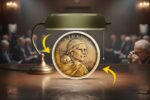
What Is the Sacagawea Dollar and Why Was It Created
The Sacagawea Dollar was introduced as part of the U.S. Mint’s effort to modernize American coinage. Earlier dollar coins, such as the Susan B. Anthony dollar, struggled because they looked too similar to quarters. To avoid that confusion, the Mint used a manganese-brass alloy that gives the Sacagawea Dollar its distinctive golden color.
The obverse features Sacagawea, the Shoshone woman who helped guide the Lewis and Clark expedition across the American West. She is shown carrying her infant son, Jean Baptiste, symbolizing strength and guidance. The original reverse design displayed a soaring eagle surrounded by seventeen stars, representing the number of states at the time of the expedition.
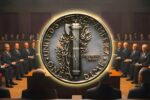
Beyond its practical purpose, the coin quickly became admired for its artistry. Sculptor Glenna Goodacre’s design feels warm and human rather than stiff or formal, which has helped the series remain appealing more than two decades after its debut.
Composition, Design, and Eye Appeal
Although the coin appears gold, it contains no precious metal. Instead, it is made from layers of copper, zinc, manganese, and nickel. This composition creates durability while maintaining the bright golden finish that stands out in circulation.
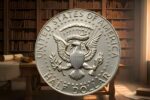
Collectors appreciate the smooth edges, bold relief, and detailed portrait. The design has aged well, and even circulated coins often retain strong visual appeal. For many hobbyists, this combination of beauty and history is just as important as market value.
Common Sacagawea Dollars and Their Everyday Worth
Most Sacagawea Dollars minted from 2000 onward are very common. Philadelphia and Denver produced millions each year, and these coins typically trade for face value or just slightly above it. If you find one in change, it’s usually worth exactly one dollar.

Proof coins from the San Francisco Mint are different. These are struck using polished dies and specially prepared planchets, giving them a mirror-like finish. Proofs are sold directly to collectors and usually sell for a small premium, often between five and thirty dollars depending on condition and packaging.
High-grade uncirculated coins, especially those graded MS67 or better, can command stronger prices. Even common dates can jump in value when preserved in near-perfect condition.
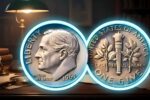
Rare Sacagawea Dollar Varieties Collectors Chase
The real excitement begins with the rare and unusual versions of the coin. A few early issues have become modern legends among numismatists.
The 2000-P Cheerios Dollar is one of the most famous. These coins were included in cereal boxes as part of a promotion. A small number featured a slightly different eagle design on the reverse. Because only a limited quantity exists, certified examples can sell for thousands, sometimes exceeding $20,000 in top condition.

Another notable variety is the Goodacre Presentation Dollar. These coins were specially struck as payment to designer Glenna Goodacre. They have a unique finish and were never meant for circulation. Today, they are highly collectible and often sell for four-figure prices.
The most dramatic rarity is the 2000-P Mule Error. This mistake paired the Sacagawea obverse with the reverse of a Washington quarter. It’s one of the most famous modern U.S. mint errors ever discovered. With only a small number known, prices regularly reach tens or even hundreds of thousands of dollars at auction.
Error Coins and Mint Mistakes
Beyond the big headline varieties, many smaller errors attract collectors. Double strikes, off-center strikes, clipped planchets, and die cracks can all add value. While minor errors may bring only modest premiums, more dramatic ones can sell for significant sums.
Error coins are especially appealing because each piece is unique. Collectors enjoy the thrill of finding something unusual that slipped past the Mint’s quality control.
The Native American Dollar Series
In 2009, the reverse design changed as part of the Native American $1 Coin Program. Each year features a new theme celebrating Native American contributions to U.S. history, including agriculture, diplomacy, military service, and technological achievements.
These annual designs add variety and storytelling to the series. While most are still affordable, certain low-mintage issues and proof versions can become more desirable over time. Many collectors now build complete year-by-year sets, making this part of the series increasingly popular.
Why Professional Grading Matters
Condition plays a huge role in coin value. Two coins from the same year can differ dramatically in price simply because one is better preserved. Professional grading services evaluate strike quality, surface marks, and overall eye appeal, assigning a numerical grade.
Certified coins give buyers confidence and often sell for higher prices. This is especially important for expensive pieces like Cheerios Dollars or Mule Errors, where authenticity is critical. Even for common coins, a high grade can significantly boost value.
Market Trends in 2026
Interest in modern U.S. coins continues to grow, and the Sacagawea Dollar benefits from that trend. Common pieces remain inexpensive, making the series accessible to beginners. At the same time, rare varieties continue to set strong auction records, drawing attention from serious collectors.
The combination of affordability, history, and the possibility of discovering a valuable rarity keeps demand steady. For many collectors, the hunt is just as enjoyable as the reward.
Disclaimer
This article is for informational purposes only. Coin values, availability, and market trends may change over time depending on rarity, condition, grading standards, and collector demand. Always verify prices and authenticity with professional grading services or trusted numismatic experts before buying or selling collectible coins.