Wheat pennies, officially called Lincoln Wheat Cents, have been a cornerstone of American coin collecting for generations. Minted from 1909 through 1958, these coins are instantly recognizable by Abraham Lincoln’s portrait on the front and the pair of wheat stalks on the reverse. For many collectors, wheat pennies are the entry point into numismatics because they blend history, affordability, and the excitement of potentially uncovering a valuable coin.
Over the past ten years, wheat penny values have not exploded overnight, but they have quietly evolved. While the majority of wheat pennies are still inexpensive, certain dates, mint marks, and high-grade examples have steadily increased in value. Looking at these changes helps collectors understand where the market has been and where it may be headed.

What Exactly Is the Lincoln Wheat Penny
The Lincoln Wheat Penny was introduced in 1909 to mark the 100th anniversary of Abraham Lincoln’s birth. It was a historic release, as it became the first U.S. coin to feature a real historical figure instead of a symbolic image. The design was created by Victor David Brenner and remained in use until 1958, when the reverse was replaced by the Lincoln Memorial design.
Most wheat pennies were struck in copper, which gives them both collector appeal and a small intrinsic metal value. Although billions were minted, survival rates differ greatly depending on the year, mint, and how the coin was handled over time. This wide range of availability is what makes the series so appealing, offering both common coins for beginners and rare dates for advanced collectors.

Why Wheat Pennies Still Matter to Collectors
Wheat pennies occupy a comfortable middle ground in coin collecting. They are old enough to feel historically significant, yet common enough that collectors do not need a large budget to get started. Many people encounter wheat pennies through family collections, estate finds, or rolls of old coins that have been tucked away for decades.
Another reason for their lasting popularity is variety. Some wheat pennies were minted in enormous numbers, while others had very limited production. Add in mint marks from Philadelphia, Denver, and San Francisco, along with well-known errors and varieties, and the series becomes both educational and rewarding. Collectors can spend years learning without exhausting the subject.
The Main Factors That Influence Wheat Penny Values
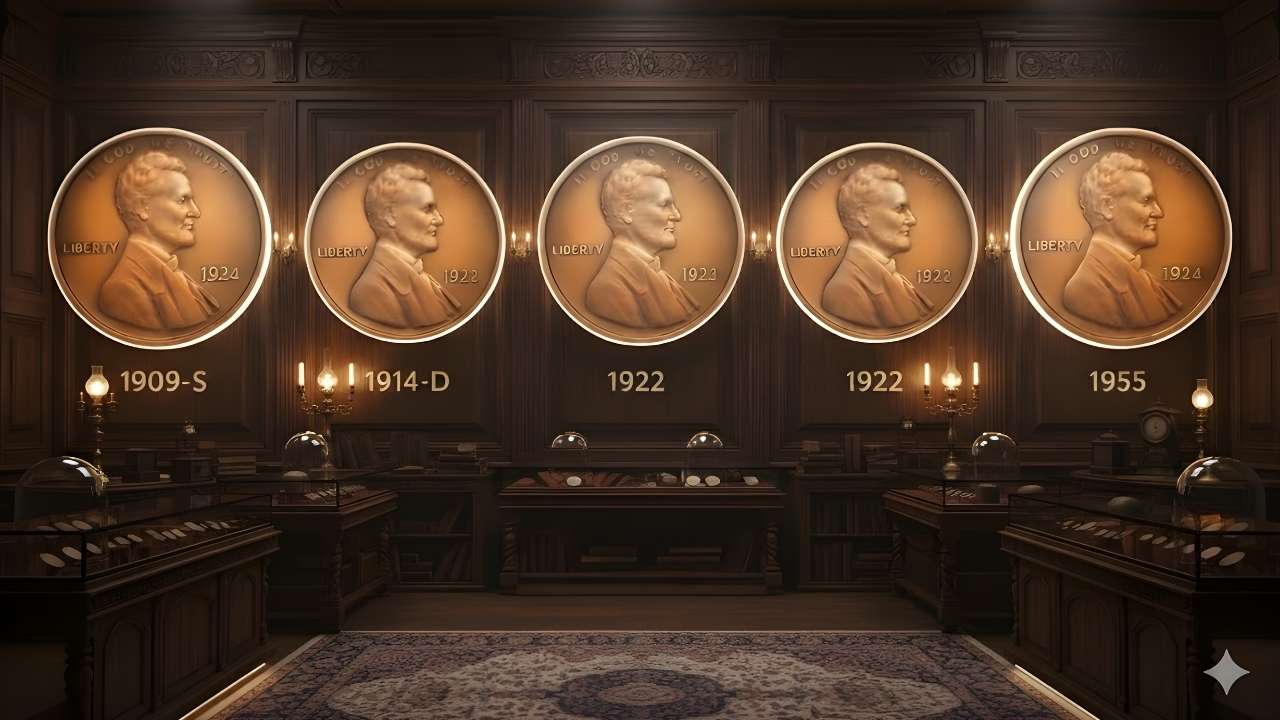
Several elements work together to determine a wheat penny’s value. The year and mint mark are often the first things collectors check, as certain combinations are much scarcer than others. Coins like the 1909-S VDB, 1914-D, and 1931-S stand out because of low mintages and strong demand.
Condition is equally important. A lightly worn wheat penny can be worth several times more than the same coin in heavily circulated condition. Collector demand also plays a role, especially for coins needed to complete date-and-mint sets. Finally, broader market influences, such as online auctions and renewed interest in vintage U.S. coins, affect prices over time.

How Common Wheat Pennies Have Performed Over the Last 10 Years
For most common wheat pennies, the last decade has been marked by stability rather than dramatic growth. Heavily circulated examples from high-mintage years are still usually worth only a few cents above face value. That said, even these coins have seen slight increases as interest in older U.S. coinage has grown.
Where the change becomes more noticeable is in better-preserved examples. Uncirculated or lightly worn common dates are harder to find today than they were ten years ago. As a result, collectors are paying more for coins with cleaner surfaces and stronger eye appeal, even if the date itself is not rare.

Rare Dates and Their Price Movement
Key-date wheat pennies have shown clearer upward movement over the past decade. The 1909-S VDB remains one of the most desirable coins in the series. Ten years ago, lower-grade examples were often available at lower prices than they are today, while high-grade pieces have climbed significantly due to competition among collectors.
Other scarce dates, such as the 1914-D and 1931-S, have followed a similar path. These coins were produced in smaller quantities, and demand has remained consistent as more collectors aim to complete full sets. With fewer high-quality examples available each year, prices have gradually moved higher.

Why Condition Matters More Than Ever
Over the last ten years, coin condition has become increasingly important in determining value. Collectors today are more informed and selective, often preferring fewer coins in higher grades rather than many worn examples. Professionally graded wheat pennies frequently sell for much more than ungraded ones, even when the date is common.
The market has clearly rewarded quality. A wheat penny in mint condition can be worth many times more than the same coin with heavy wear. This shift reflects a broader trend in coin collecting, where preservation and authenticity are valued just as much as rarity.
Market Trends Shaping Wheat Penny Prices
Several broader trends have influenced wheat penny values. Online marketplaces and auction platforms have made coin collecting more accessible, attracting new collectors and increasing visibility for rare dates. Social media and online forums have also helped spread knowledge, making it easier for collectors to recognize valuable coins.
Copper prices provide a small baseline value for wheat pennies, but metal content is not the main driver. Collector interest and historical appeal continue to be the strongest forces behind price changes. As interest in tangible historical items grows, wheat pennies remain relevant in a modern collecting landscape.
How to Estimate the Value of Your Wheat Pennies
Valuing wheat pennies starts with identifying the year and mint mark. From there, assess the coin’s condition by looking at wear, surface marks, and overall appearance. Be alert for unusual features such as doubled dies or other minting errors, which can significantly increase value.
Price guides and recent auction results are helpful tools, but for coins that appear valuable, professional grading offers added confidence. Graded coins are easier to sell and often command higher prices because buyers trust the assessment.
Final Verdict
Wheat pennies have shown steady resilience over the last ten years. While most remain affordable, rare dates and high-grade examples have experienced consistent growth. Their blend of history, accessibility, and long-term collector interest makes them appealing to both new and experienced collectors. With careful evaluation and patience, wheat pennies can continue to offer enjoyment and meaningful value well into the future.
Disclaimer
This article is for informational purposes only. Wheat penny values vary based on condition, rarity, and market demand. Readers should consult professional numismatists or reputable coin dealers before making buying or selling decisions.