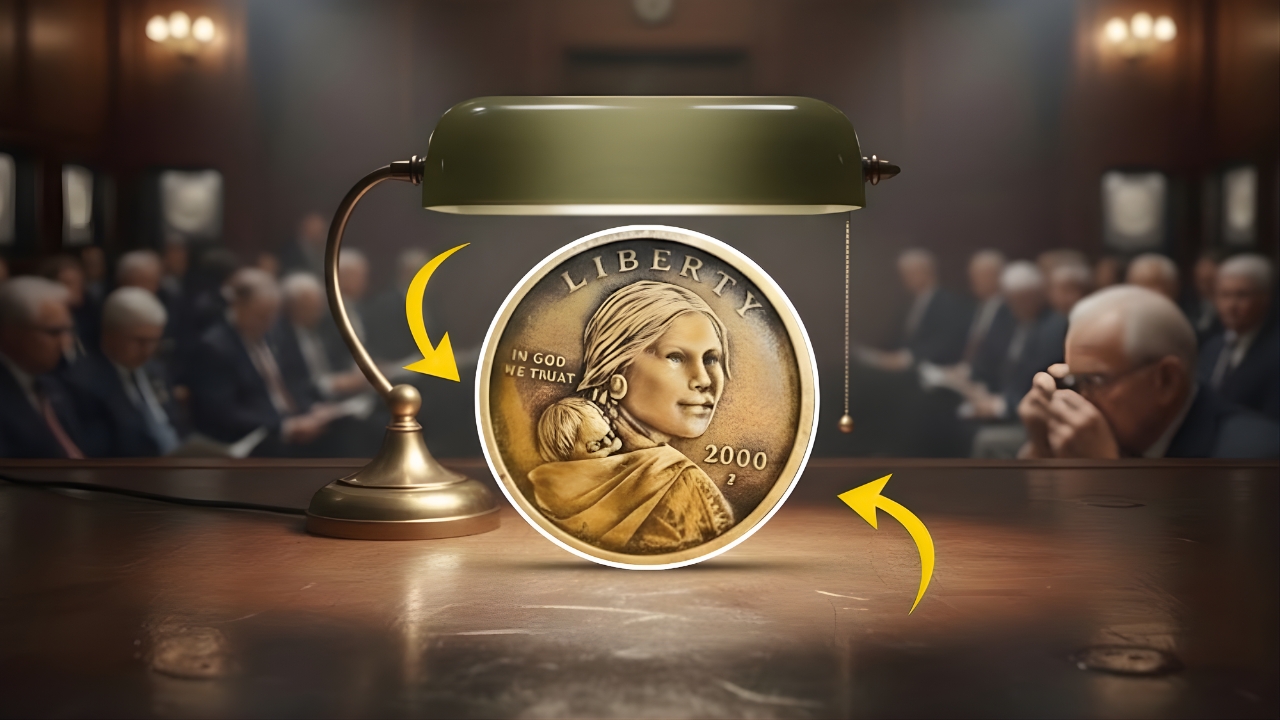
The Sacagawea dollar is one of the most recognizable modern coins produced by the United States Mint. First released in 2000, the coin features Sacagawea, the Shoshone woman who helped guide the Lewis and Clark expedition, and it quickly stood out thanks to its smooth golden color and distinctive design. Although it was intended to replace the paper dollar in everyday transactions, it never gained widespread circulation. Instead, it found a second life among collectors, who appreciate its history, special editions, and rare minting errors.
Over time, the series has grown beyond its original design. Annual reverse changes, limited collector strikes, and unusual mistakes at the mint have created a surprising number of varieties. While many Sacagawea dollars are still worth only face value, certain coins now sell for hundreds or even thousands of dollars, making the series more interesting than most people expect.
What Exactly Is the Sacagawea Dollar and Why Collectors Care
The Sacagawea dollar was introduced as part of a broader effort to modernize U.S. coinage and encourage the use of dollar coins. Sculptor Glenna Goodacre designed the obverse, which shows Sacagawea carrying her infant son, Jean Baptiste. The image symbolizes strength, guidance, and continuity. The original reverse, designed by Thomas D. Rogers, features a soaring eagle surrounded by seventeen stars representing the states at the time of the Lewis and Clark expedition.
The coin’s golden appearance comes from a manganese-brass alloy rather than actual gold. This composition gives it durability and a unique look compared with other U.S. coins. For collectors, the appeal lies not just in the design but also in the many varieties and limited issues that have appeared since its debut.

Common Sacagawea Dollars and Everyday Values
Most Sacagawea dollars struck for circulation are common. Coins minted in Philadelphia and Denver were produced in large quantities, and many remain easy to find in rolls or bank stock. Circulated examples from these years are typically worth only one dollar.
However, condition matters. Uncirculated coins with sharp details and original luster can bring small premiums, especially in higher Mint State grades. Proof coins struck at the San Francisco Mint, made specifically for collectors, often sell for more than face value as well. Even though these premiums may be modest, they show how quality can influence price.

Key Years, Mint Marks, and Valuable Varieties
While the majority of Sacagawea dollars are common, a handful of issues stand out as highly collectible. The most famous is the 2000-P Cheerios Dollar. A limited number of these coins were included in cereal promotions and feature a prototype eagle reverse with enhanced tail feathers. Because so few were distributed, they are now worth thousands of dollars in high grades.
Another special issue is the Goodacre Presentation Dollar. These coins were struck with a unique finish and presented to the coin’s designer. Their limited numbers and distinctive appearance make them very desirable.
Then there is the legendary 2000-P mule error, created when a Sacagawea obverse was mistakenly paired with the reverse of a Washington quarter. This dramatic mistake is considered one of the most important modern U.S. coin errors and has sold for five-figure or even six-figure sums at auction. For many collectors, it represents the ultimate prize in the series.
What’s the Native American Dollar Series and How It Changed the Design
Beginning in 2009, the reverse design of the Sacagawea dollar began changing each year to honor Native American contributions to American history. These coins are often referred to as Native American dollars, though they retain Sacagawea’s portrait on the front.
Each year features a new theme, highlighting areas such as agriculture, diplomacy, engineering, and military service. This rotating design approach keeps the series fresh and encourages collectors to follow annual releases. While most of these coins remain affordable, low-mintage issues and high-grade proof versions can command stronger prices.
Error Coins and Minting Mistakes to Watch For
Error coins are a major attraction for Sacagawea dollar collectors. Besides the famous mule error, other minting mistakes can also be valuable. Off-center strikes, double strikes, clipped planchets, and die cracks all add uniqueness to a coin and often increase its worth.
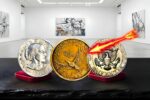
The more dramatic and well-preserved the error, the higher the premium it may bring. Collectors who search rolls or examine change carefully sometimes discover these mistakes, which adds excitement to the hobby. Even small errors can make a coin stand out from millions of normal examples.
Why Grading Matters So Much for Value
Professional grading plays an important role in determining Sacagawea dollar values. Coins graded Mint State 67 or higher are often much scarcer than lower-grade pieces, and that scarcity translates into higher prices. A small difference in grade can mean a big difference in value.
Certification from respected grading services also provides authentication and protection. Buyers feel more confident purchasing rare varieties or error coins when they are professionally graded and sealed in tamper-resistant holders. For valuable coins, grading is often a worthwhile investment.
Collector Tips for Building a Sacagawea Dollar Set
Building a Sacagawea dollar collection can be both affordable and rewarding. Beginners often start with circulation coins and proof sets, which are easy to obtain. From there, they may add Native American series issues, enhanced uncirculated coins, or special collector releases.
More advanced collectors focus on varieties and errors, searching for key pieces like the Cheerios Dollar or other unusual strikes. Proper storage is essential, as scratches and environmental damage can quickly reduce value. Using protective holders and avoiding cleaning helps preserve both appearance and worth.
Final Verdict
The Sacagawea dollar combines history, artistry, and surprising collectible potential. While most examples remain inexpensive, select years, mint marks, and error coins can be worth far more than face value. From limited promotional issues to dramatic mint mistakes, this modern series offers opportunities for collectors at every level. With a little knowledge and careful attention, even a simple dollar coin can turn into a fascinating and valuable find.
Disclaimer
This article is for informational purposes only. Sacagawea dollar values vary depending on condition, rarity, grading, and market demand. Always consult professional numismatists or certified grading services before buying or selling coins.