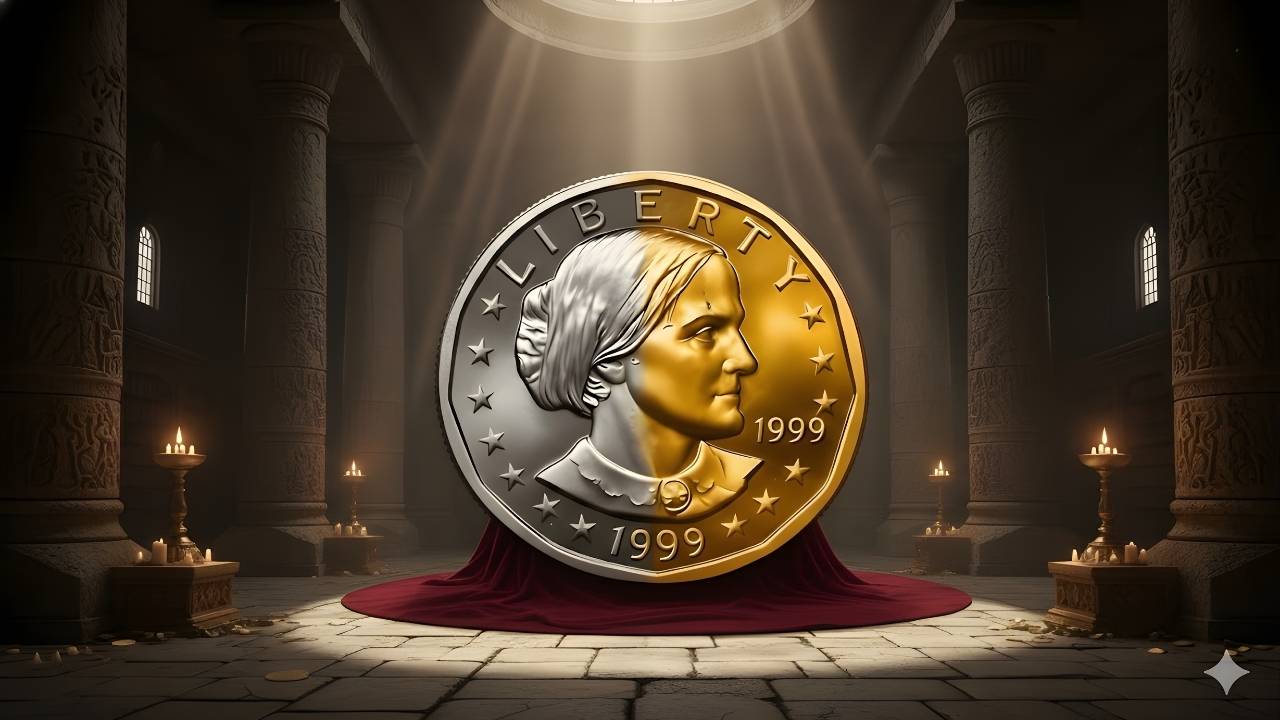
The 1999-P Susan B. Anthony dollar is often overlooked at first glance, frequently mistaken for a common piece of loose change. Despite its ordinary appearance, this coin occupies a unique position in modern U.S. coinage. It represents a brief revival of a discontinued design and was produced during a transitional period just before the introduction of the Sacagawea dollar. In 2026, collectors continue to show growing interest in this issue, particularly for rare errors and high-grade examples that are far scarcer than most people realize.
Why the Susan B. Anthony Dollar Returned in 1999
The Susan B. Anthony dollar was originally minted from 1979 through 1981, with limited production resuming in 1999. The U.S. Mint brought the coin back due to a shortage of dollar coins, especially for use in vending machines and transit systems. At the time, the Sacagawea dollar was still in development, and the Mint needed a temporary solution to meet demand.
Nearly 30 million coins were struck at the Philadelphia Mint, all bearing the P mint mark. Unlike earlier collector-focused issues, these coins were released directly into circulation, which meant they were quickly exposed to wear and handling.
Why Condition Is So Important for Value
Condition plays the single largest role in determining the value of a 1999-P Susan B. Anthony dollar. Because most examples entered circulation immediately, the vast majority show signs of wear, contact marks, or dull surfaces. Coins with sharp details, clean fields, and strong luster are far less common.

Collectors place special emphasis on the clarity of Susan B. Anthony’s portrait and the overall strike quality. Coins with fewer marks and balanced eye appeal are significantly more desirable, especially when professionally graded.
Typical 1999-P Susan B. Anthony Dollar Values in 2026
Most circulated examples are still worth face value or slightly more. Lightly worn coins may sell for a small premium, particularly if demand increases locally or through online marketplaces.
Uncirculated examples begin to show stronger pricing, especially when original luster is intact. Certified Mint State coins are where values begin to separate sharply. Coins graded MS65 and above attract consistent interest, while MS67 and higher examples are considered condition rarities. These top-grade coins are sought after by registry collectors and can sell for four figures even without dramatic errors.
Rare Errors That Can Multiply Value
The most valuable 1999-P Susan B. Anthony dollars are error coins. Because errors are unintentional, their scarcity and visual impact often push prices well beyond standard examples.

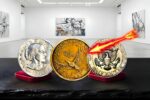
One of the most famous errors involves coins struck on Sacagawea dollar planchets. These pieces appear golden in color and have a different weight than normal Susan B. Anthony dollars. Authenticated examples have sold for several thousand dollars, with some confirmed auction results exceeding $15,000.
Off-center strike errors are another collectible category. Coins with dramatic off-center strikes that still show the full date can command prices ranging from a few hundred dollars to over $2,000, depending on severity and condition.
Double strikes and broadstrikes also draw strong interest. Double strikes display overlapping or distorted designs, while broadstrikes occur when the coin spreads outward due to a missing collar during striking. These visually striking errors often sell for several hundred dollars or more.
Why High-Grade Examples Are So Scarce
When the 1999-P Susan B. Anthony dollar was released, few people viewed it as collectible. Most were spent quickly, stacked in vending machines, or stored loosely in bags. As a result, nearly flawless examples are genuinely rare today.

Coins graded MS68 are especially difficult to locate and often sell for thousands of dollars simply due to their exceptional preservation. Even without an error, condition alone can elevate a coin into premium territory.
How to Identify a Potentially Valuable Coin
Start by confirming the date and the P mint mark. Examine the coin under strong lighting and magnification. Look closely at surface quality, edge shape, strike sharpness, and color. A golden appearance may indicate a planchet error, while uneven rims or distorted designs could signal striking issues.
Weight differences can also be an important clue. Any coin that appears unusual or exceptionally well preserved should never be cleaned. Cleaning permanently reduces value. If a coin shows strong potential, professional grading is the safest way to confirm authenticity and market worth.
Should You Sell or Hold in 2026
For common circulated examples, selling usually offers little upside beyond face value. However, error coins and high-grade Mint State examples continue to benefit from rising collector interest. As modern U.S. coins gain more respect within the numismatic community, top-quality pieces may continue to perform well long term.
Authentication and grading can unlock the full value of rare examples, particularly for coins with unusual errors or outstanding condition.
Final Verdict
The 1999-P Susan B. Anthony dollar proves that modern coins can still hold serious collector value. While most examples remain ordinary, rare mint errors and high-grade survivors stand out as legitimate numismatic prizes. With careful inspection and proper authentication, this overlooked dollar can range from everyday change to a valuable collector discovery.
Disclaimer
This article is for informational purposes only and is based on publicly available information and general numismatic knowledge. Coin values, availability, and demand may vary by region and can change over time due to market conditions, grading standards, or new discoveries. Readers are advised to verify all details through certified coin dealers, professional grading services, or authoritative auction records before making any buying, selling, or investment decisions.