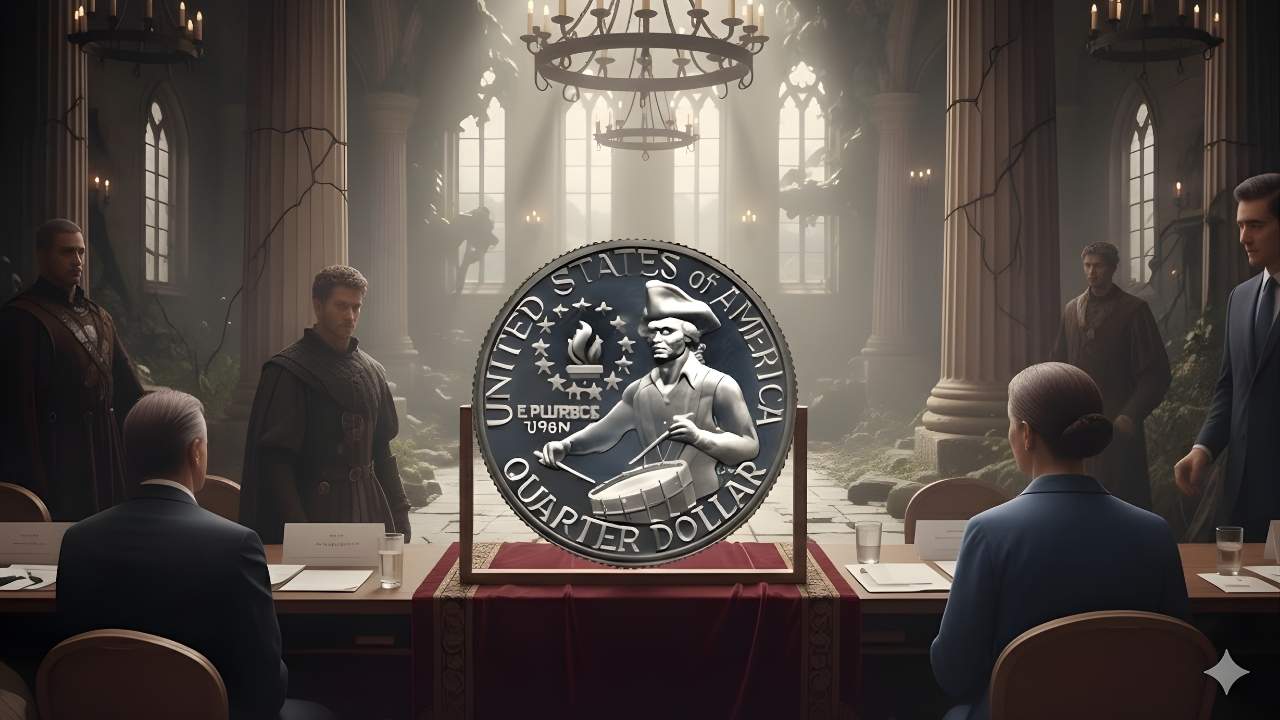
The 1776–1976 Bicentennial Liberty Quarter holds a special place in American coinage. Issued to commemorate 200 years of U.S. independence, it marked the first time circulating quarters carried a dual date. Nearly five decades later, this coin continues to attract attention from collectors who appreciate its historical significance and unique design. While millions were produced, not every Bicentennial Quarter is created equal, and some examples are worth far more than face value in 2026.
For many people, these quarters were saved as keepsakes during the nationwide celebrations of the 1970s. As a result, they remain easy to find today. However, certain varieties, compositions, and minting errors have elevated select coins into desirable collectibles.
What Makes the 1776–1976 Quarter Different
The most noticeable feature of the Bicentennial Quarter is its dual date, which replaces the standard single-year format. This change symbolizes the nation’s journey from its founding in 1776 to its bicentennial in 1976. Although the coins are dated 1976, production began in 1975, and no quarters carry a 1975 date.
Equally important is the reverse design. Instead of the traditional eagle, the coin features a colonial drummer with a torch of victory surrounded by thirteen stars. This design was chosen through a national competition and used only for the Bicentennial issue, making it a one-year design type that stands apart from all other Washington quarters.

Historical Context and Public Response
The Bicentennial coin program extended beyond quarters and included special half dollars and dollar coins. The goal was to place a national celebration directly into everyday circulation. The program succeeded, and millions of Americans encountered these coins during daily transactions.
Because of this enthusiasm, many Bicentennial Quarters were set aside and preserved. This widespread saving explains why most examples remain common today. At the same time, it has made top-condition coins and unusual errors far more noticeable and valuable to collectors.
Mint Locations and Coin Compositions
Bicentennial Quarters were struck at three different U.S. Mint facilities. Philadelphia and Denver produced copper-nickel clad coins intended for general circulation. These make up the vast majority of surviving examples and are still frequently found in pocket change.
The San Francisco Mint focused on collector versions. It produced proof quarters in both copper-nickel clad and 40 percent silver compositions. The silver coins were sold only in special sets and never released into circulation. Identifying the mint mark and metal content is one of the most important steps in determining a Bicentennial Quarter’s value.

Typical Bicentennial Quarter Values in 2026
Most circulated Bicentennial Quarters remain worth face value. Their high mintage numbers keep them plentiful, even decades later. Uncirculated examples with bright luster and minimal marks may sell for a few dollars, depending on overall eye appeal.
Clad proof Bicentennial Quarters usually bring a modest premium in 2026. Coins still housed in original government packaging tend to perform better than loose proofs, especially if surfaces remain clean and reflective.
Silver Bicentennial Quarter Prices and Demand
Silver Bicentennial Quarters represent the most accessible step up in value. With 40 percent silver content, these coins have intrinsic metal value that fluctuates with the silver market. Even average-condition silver examples trade well above face value.
High-grade silver proofs are particularly popular. Collectors value them for their combination of precious metal content, historical significance, and sharp visual contrast. Professionally graded silver proofs can command noticeably higher prices, especially when demand for silver is strong.

Rare Errors That Drive High Prices
Minting errors are where Bicentennial Quarters can become truly valuable. Off-center strikes, double strikes, clipped planchets, and missing clad layers are all highly collectible. These errors are scarce because quality control removes most mistakes before coins leave the Mint.
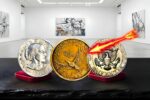
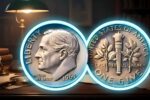
One of the most dramatic errors involves Bicentennial Quarters struck on the wrong planchet. Examples struck on dime-sized blanks or foreign planchets are exceptionally rare and can sell for hundreds or even thousands of dollars. The more obvious and visually striking the error, the greater the collector interest in 2026.
Proof Coins and Collector Sets
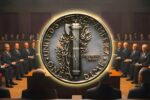
Proof Bicentennial Quarters, especially those from San Francisco, continue to attract collectors who appreciate precision and finish. Coins with deep mirrored fields and sharp details are particularly desirable.
Mint sets that include Bicentennial Quarters from multiple mints offer collectors a complete snapshot of this historic issue. While not rare, well-preserved sets often sell for more than their original issue prices and remain popular among long-term collectors.
Why Condition and Grading Are Crucial
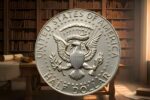
Condition has a major impact on value. Scratches, dull surfaces, and contact marks significantly reduce a coin’s appeal. In contrast, coins with clean fields and crisp details stand out immediately.
Professional grading provides authentication and establishes a recognized condition standard. Bicentennial Quarters graded Mint State 65 or higher can sell for several times more than ungraded coins. Proof coins with minimal imperfections are especially attractive to advanced collectors.
Collector Interest and Market Outlook in 2026
Interest in Bicentennial Quarters remains steady due to their patriotic theme and distinctive design. While most examples are common, collector demand stays strong for silver versions, high-grade proofs, and genuine error coins. Market values can shift with silver prices and collecting trends, making informed evaluation important for buyers and sellers alike.
Final Verdict
The 1776–1976 Bicentennial Liberty Quarter proves that modern U.S. coins can still offer meaningful collector value. Although most examples are common, silver compositions, proof strikes, and rare mint errors can be worth far more than face value in 2026. With careful inspection and proper grading, this familiar quarter can still deliver surprising discoveries for collectors.
Disclaimer
This article is for informational purposes only and is based on publicly available information and general numismatic knowledge. Coin values may vary depending on condition, certification, market demand, region, and future updates. Prices mentioned are not guaranteed. Readers should always verify details with official sources, certified grading services, or professional numismatists before making any buying, selling, or investment decisions.