The Bicentennial Quarter is one of those coins nearly every American has handled at some point, yet few realize it can sometimes be worth more than twenty-five cents. Released to celebrate 200 years of American independence, the coin carries the dual date 1776–1976 and a special reverse design that sets it apart from standard Washington quarters. While most examples remain common pocket change, certain versions have quietly become desirable collectibles.
For many people, this quarter is simply a nostalgic keepsake from the country’s bicentennial celebrations. For collectors, however, it represents a fascinating blend of history, design, and potential value. Knowing what to look for can turn an ordinary coin into an unexpected discovery.
The Story Behind the 1776–1976 Design
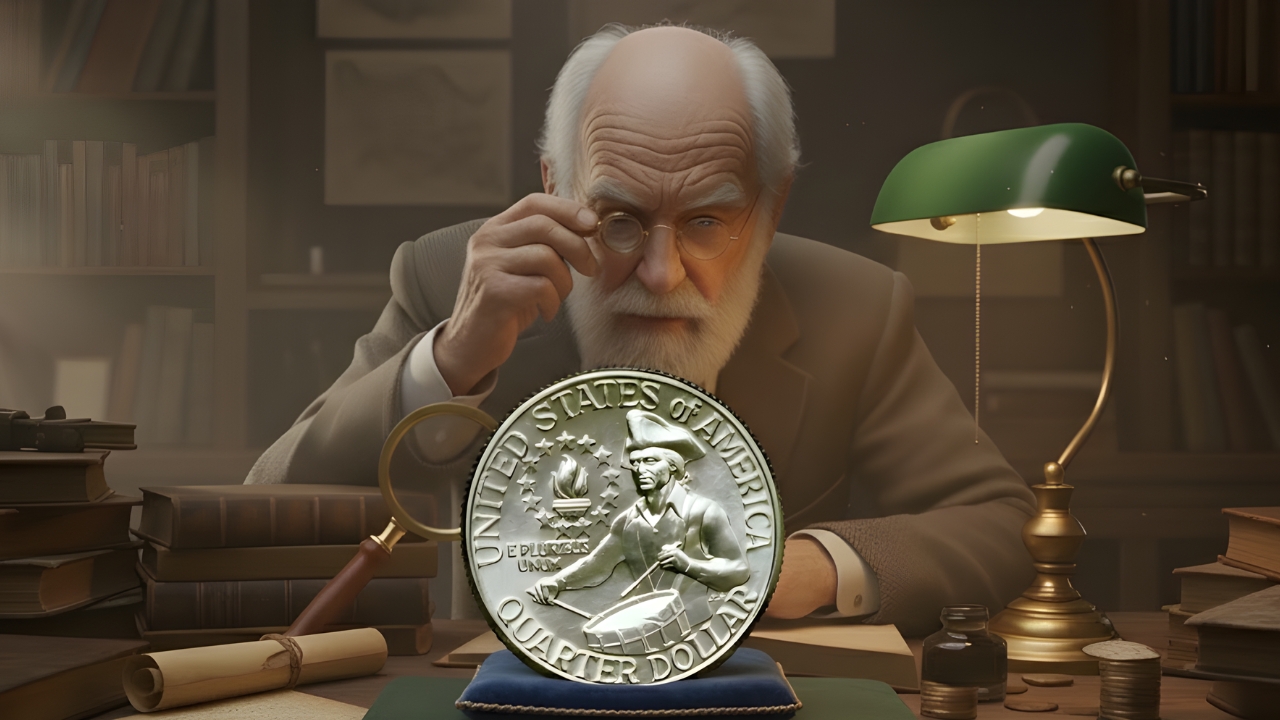
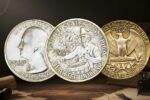
In the mid-1970s, the U.S. Mint wanted circulating coins to reflect the nation’s milestone anniversary. Rather than creating an entirely new denomination, officials redesigned the reverses of the quarter, half dollar, and dollar coins. The quarter kept George Washington on the front, but the reverse featured a colonial drummer with a torch and thirteen stars, symbolizing the original colonies.
The result was a coin that felt both familiar and celebratory. The dual date reminded Americans of the country’s beginnings while marking the present moment. Even decades later, that design still stands out in circulation.

Massive Production but Not All Are Equal
Billions of Bicentennial Quarters were struck at the Philadelphia and Denver mints, which is why most are still worth face value today. High production numbers generally keep prices low. However, the San Francisco Mint also produced proof and special silver-clad versions aimed specifically at collectors.
Those silver issues contain 40 percent silver rather than the standard copper-nickel mix. That alone gives them extra intrinsic value, and their lower mintages make them more appealing to collectors. As a result, they usually sell for several dollars or more depending on condition.

Rare Varieties and Mint Errors That Boost Value
Where things get interesting is in the world of varieties and errors. Coins aren’t always struck perfectly, and those small mistakes often become the most valuable pieces.
Collectors look for doubled dies, where design elements appear slightly duplicated, off-center strikes that leave part of the design missing, and clipped planchets with unusual shapes. These quirks make each coin unique. Some authenticated error quarters have sold for hundreds or even thousands of dollars at auction.

Even without errors, pristine uncirculated coins can command strong premiums. A sharply struck quarter with bright luster and no wear is far scarcer than a well-used example from everyday change.
Why Condition Makes Such a Big Difference
Condition is everything in coin collecting. Two Bicentennial Quarters from the same mint and year can have dramatically different values depending on wear. Coins graded in Mint State or Proof condition, meaning they show little to no handling, are far more desirable.

Professional grading services evaluate surface quality, strike sharpness, and eye appeal. Once certified and sealed in protective holders, these coins often sell more easily and at higher prices because buyers trust the grade. A common quarter in average shape might be worth 25 cents, while the same coin in top condition could bring $20, $50, or more.
Everyday Finds and Hidden Treasures
Part of the appeal of Bicentennial Quarters is that they can still be found almost anywhere. People discover them in old jars, inherited collections, or even loose change from a store. Most will be ordinary, but the possibility of finding a silver or error coin keeps collectors searching.
This treasure-hunt aspect adds excitement that many other collectibles lack. You don’t need expensive equipment or a large budget to start looking. Sometimes all it takes is patience and a careful eye.
Smart Tips for Collectors
If you want to build a small Bicentennial Quarter collection, begin by separating coins by mint mark and condition. Check for the “S” mint mark indicating San Francisco issues, and weigh coins if you suspect silver content. Avoid cleaning them, since cleaning can scratch surfaces and reduce value. Store better examples in protective holders to preserve their finish.

Learning basic grading standards and following recent sales can also help you understand what buyers are willing to pay.
Final Verdict
The Bicentennial Quarter proves that even coins produced in huge numbers can hold surprising value under the right circumstances. While most remain everyday currency, silver issues, mint errors, and high-grade specimens continue to attract strong collector interest. With a bit of knowledge and careful searching, that humble 1776–1976 quarter in your pocket might turn out to be more than just spare change.