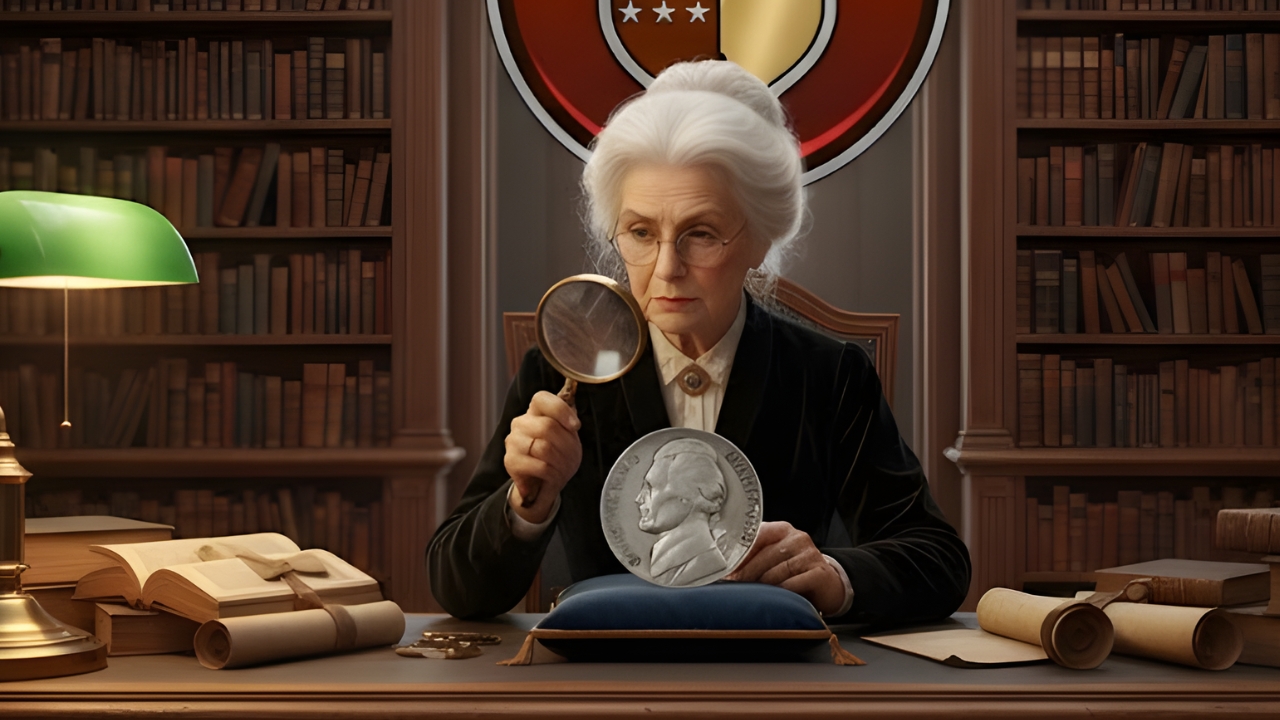
Most people don’t give a second thought to a nickel. It passes from hand to hand every day, used for small purchases and often tossed into jars or drawers without notice. Yet among these ordinary five-cent coins are rare pieces that tell unusual stories. Sometimes, the difference between a common nickel and a prized collectible comes down to a tiny minting flaw. For collectors, these subtle mistakes can turn pocket change into something truly special.
Coin collecting has always thrived on the unexpected. A small detail, barely visible at first glance, can create scarcity and spark intense demand. That’s exactly what has happened with certain Jefferson nickels, where minor production errors have transformed everyday coins into sought-after treasures.

What Exactly Is the Jefferson Nickel and Why Do Collectors Care
The Jefferson nickel first appeared in 1938, replacing the well-known Buffalo nickel. Designed by Felix Schlag, the coin features a portrait of Thomas Jefferson on the front and his home, Monticello, on the reverse. Its clean design and long production run made it one of the most familiar coins in American life.
Because Jefferson nickels were minted in massive quantities for decades, most examples are extremely common. But that high output also increased the chance of mistakes during production. Over time, those mistakes created rare variations that collectors now hunt for with enthusiasm.

Before diving into specific errors, it helps to remember that coins are made by complex machinery. Even small misalignments or worn tools can leave lasting marks, and those marks often become the very features collectors value most.
Why Small Minting Errors Can Mean Big Value
At first thought, an error might sound like damage. In reality, true mint errors happen during the striking process itself, not after the coin enters circulation. These include doubled images, misplaced mint marks, or unusual metal flaws.

Because the U.S. Mint tries to prevent mistakes, only a limited number of flawed coins escape into circulation. That scarcity is what drives value. When collectors realize only a few examples exist, competition increases and prices rise.
In the world of numismatics, rarity plus strong eye appeal often outweighs the coin’s face value or even its metal content. A simple five-cent coin can suddenly be worth hundreds or more.

Famous Jefferson Nickel Errors That Stand Out
Some Jefferson nickel mistakes have become legendary. The 1942 overdate, where traces of one year appear beneath another, is a classic example. This happened when a die from one year was reused and modified for the next, leaving both dates visible.
Another popular variety is the 1954 S over D mint mark, where one mint mark was punched over another. Collectors love these coins because they clearly show how minting tools were adjusted by hand.

Doubled dies are also highly collectible. Letters or numbers appear slightly doubled due to misalignment during die creation. Even a small doubling on Jefferson’s features or the word Monticello can make a coin far more desirable than a standard issue.
The Story Behind a Tiny Flaw
Occasionally, a seemingly minor detail sparks big excitement. A small die chip, an unusual strike, or a subtle doubling can turn a routine nickel into a standout piece. Many of these coins go unnoticed for years, sitting in change jars or old albums until someone takes a closer look.
When such a coin is finally recognized as rare, it often makes headlines at auctions. What once bought a pack of gum suddenly becomes a collector favorite. These stories fuel the hobby and remind people that valuable finds can still be hiding in plain sight.
How to Spot Rare Jefferson Nickels in Your Change
Finding one of these coins takes patience and attention. Start by checking dates and mint marks, then look closely at the lettering, numbers, and edges. A simple magnifying glass can reveal details invisible to the naked eye.

Compare suspicious coins with normal examples. Differences in shape, spacing, or design clarity can point to an error. Reference guides and online resources can help confirm whether what you’ve found is truly special.
Condition matters too. Coins with sharp details and minimal wear are typically worth more, especially when paired with a recognized error.
The Lasting Appeal of Coin Hunting
Part of the charm of Jefferson nickels is the idea that anyone can discover one. You don’t need expensive equipment or rare materials, just curiosity and a careful eye. The thrill of spotting something unusual keeps collectors searching through rolls and pocket change year after year.
These small coins also serve as tiny pieces of history, connecting us to past decades and the people who used them.
Final Verdict
The Jefferson nickel proves that size and denomination don’t determine value. A tiny minting flaw can turn an everyday five-cent coin into a prized collectible with real market demand. For collectors, the lesson is simple: pay attention to the details. That ordinary nickel in your pocket might just be the next hidden treasure.
Disclaimer
This content is for informational purposes only. Coin values, prices, availability, and market demand may change over time or vary by region. Features and examples may differ from actual coins. Always verify details with official or professional numismatic sources before buying or selling collectible coins.