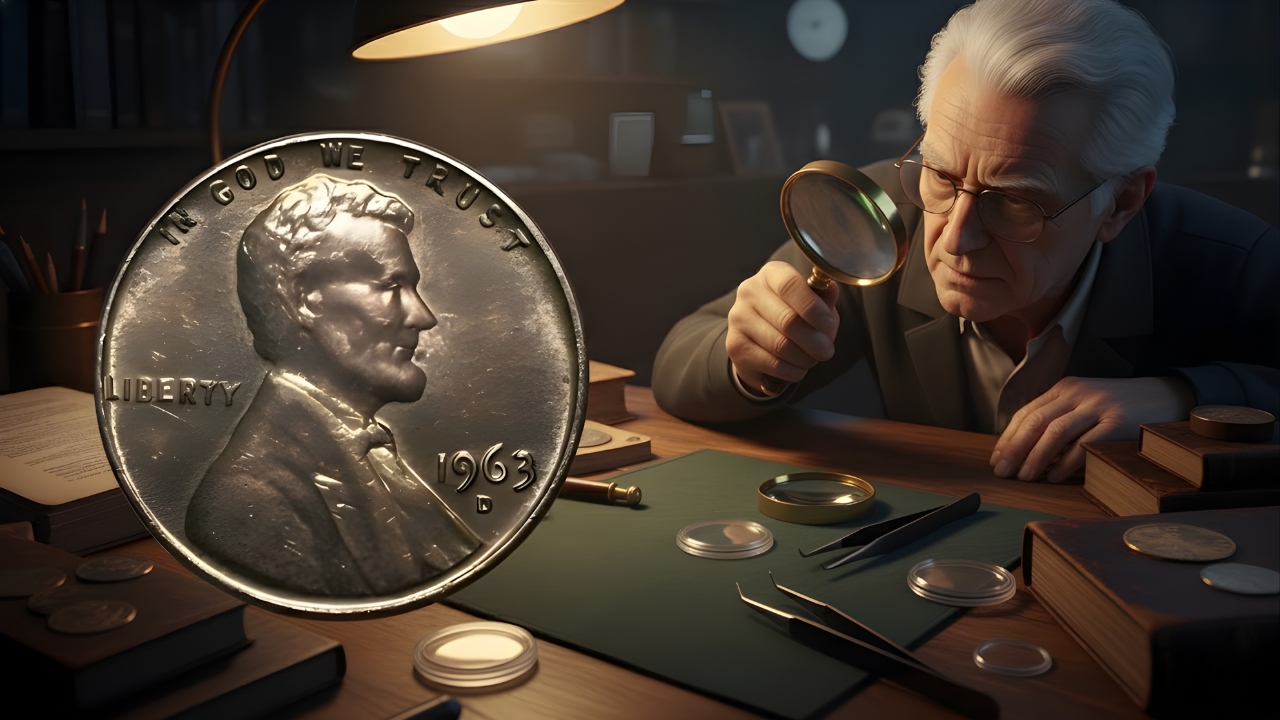
The Lincoln penny is one of the most collected coins in U.S. history, and in 2026, interest in these small copper coins continues to grow. While most Lincoln cents are still worth just one cent, certain years, mint marks, and production errors can make a penny surprisingly valuable. From early wheat cents to modern error coins, understanding what drives Lincoln penny values can help collectors and casual coin hunters identify hidden gems in their pocket change. This guide breaks down the key factors that influence Lincoln penny prices in 2026 and explains which coins are worth a closer look.
A Brief History of the Lincoln Penny
The Lincoln penny was first introduced in 1909 to commemorate the 100th anniversary of Abraham Lincoln’s birth. It was the first U.S. coin to feature a real person rather than a symbolic figure. Early issues featured wheat stalks on the reverse, earning them the nickname “wheat pennies.” In 1959, the reverse design changed to the Lincoln Memorial, and later designs included the Union Shield. Each design era has its own collectible highlights, and some of the most valuable pennies come from periods of transition or limited production.

Why Mint Marks Matter for Lincoln Pennies
Mint marks play a major role in determining a Lincoln penny’s value. Pennies were primarily struck at three mints: Philadelphia, Denver, and San Francisco. Coins from Philadelphia typically have no mint mark, while Denver coins carry a “D” and San Francisco coins use an “S.” In some years, certain mints produced fewer pennies than others, making those coins scarcer today. A low-mintage year combined with a specific mint mark can significantly increase a penny’s value, especially when the coin is well preserved.
Key Rare Lincoln Penny Years to Watch
Several Lincoln penny years stand out as especially valuable in 2026. The 1909-S VDB penny is one of the most famous, known for its low mintage and the designer’s initials on the reverse. Other notable years include the 1914-D and the 1922 penny with no visible mint mark, which resulted from a production issue at the Denver Mint. Wartime pennies from 1943 also attract attention, particularly the rare copper versions that were mistakenly struck when steel was supposed to be used. These rare dates continue to command strong prices due to consistent collector demand.

The Impact of Condition and Grading on Value
Condition is just as important as rarity when it comes to Lincoln penny values. Coins are graded on a scale that ranges from heavily worn to mint state. A rare penny in poor condition may still be valuable, but the same coin in excellent condition can be worth many times more. Professional grading services evaluate factors such as wear, luster, and surface marks. In 2026, collectors increasingly rely on certified grades to determine fair market value, especially for higher-priced coins.
Error Lincoln Pennies That Can Be Worth a Fortune
Mint errors are another major category of valuable Lincoln pennies. Errors occur when something goes wrong during the minting process, resulting in unusual features. Common errors include doubled dies, off-center strikes, and clipped planchets. One of the most famous examples is the 1955 doubled die penny, where the date and lettering appear doubled. Even modern pennies can be valuable if they show dramatic errors, making it worthwhile to inspect newer coins as well as older ones.
Modern Lincoln Pennies and Their 2026 Value Potential
While older pennies tend to attract the most attention, modern Lincoln cents should not be ignored. Some pennies from the 1980s and later years feature errors or unusual compositions that add value. For example, certain transitional errors involving copper and zinc planchets can be worth significantly more than face value. In 2026, collectors are increasingly interested in high-grade modern pennies, particularly those with perfect strikes and original luster.
How Market Trends Affect Lincoln Penny Prices
Lincoln penny values are influenced by broader market trends in coin collecting. Increased online auctions, social media exposure, and renewed interest in tangible assets have helped keep demand strong. Prices may fluctuate based on collector interest, metal prices, and the availability of high-quality examples. In 2026, rare and well-documented Lincoln pennies continue to perform well, while common coins remain affordable for beginners entering the hobby.

Tips for Collecting and Storing Lincoln Pennies
Proper storage and handling are essential for preserving a penny’s value. Coins should be kept in protective holders to prevent scratches, corrosion, and discoloration. Avoid cleaning pennies, as improper cleaning can reduce their value significantly. For collectors building a set, focusing on key dates first and gradually upgrading condition can be a smart long-term strategy. Keeping records of purchases and certifications also helps maintain clarity about a collection’s worth.
Final Thoughts on Lincoln Penny Collecting in 2026
Lincoln pennies remain a cornerstone of American coin collecting in 2026, offering opportunities for both seasoned collectors and newcomers. Whether you are searching for rare wheat cents, famous error coins, or pristine modern issues, understanding the factors that affect value can make collecting more rewarding. With patience, research, and a careful eye, even a humble penny can turn into a meaningful and valuable piece of history.
Disclaimer
This article is for informational purposes only and is based on publicly available information and general market observations. Coin values, availability, and demand may vary by region and can change over time due to market conditions or updated data. Readers are advised to verify details through official coin grading services, reputable dealers, or authoritative sources before making any buying, selling, or investment decisions.