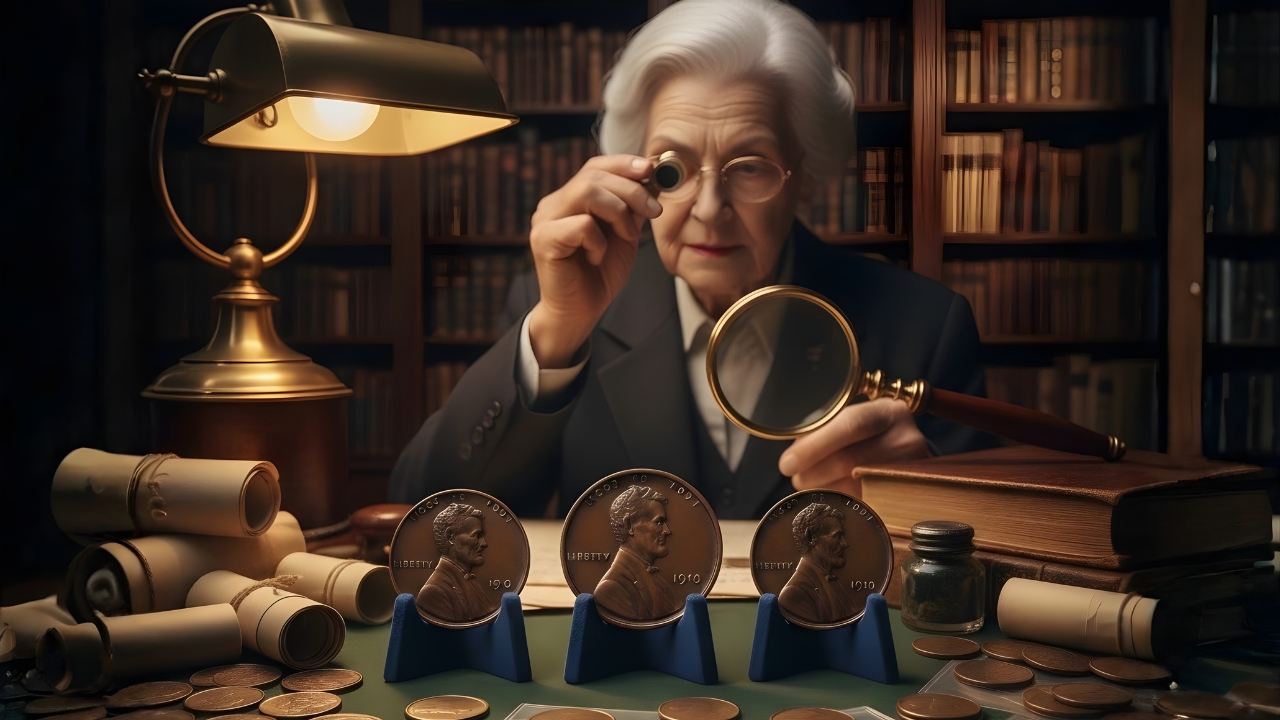
The Lincoln Wheat Penny is one of the most familiar coins in American history, yet it remains one of the most exciting for collectors. First released in 1909 to honor the 100th anniversary of Abraham Lincoln’s birth, it became the first U.S. coin to feature a real historical figure rather than a symbolic design. The front shows Lincoln’s profile, while the reverse displays two simple wheat stalks, giving the coin its well-known nickname.
Although billions were produced between 1909 and 1958, Wheat Pennies continue to attract attention because some dates and varieties are surprisingly scarce. To the untrained eye, they may look like ordinary old cents. To collectors, they can represent rare finds worth hundreds or even thousands of dollars.
For many hobbyists, the appeal goes beyond money. Each coin feels like a small piece of the past, carried through decades of American life, from world wars to economic booms and busts.
The Key Factors That Determine Wheat Penny Value
Not every Wheat Penny is valuable, so knowing what to look for makes all the difference. The most important factor is the date and mint mark. Certain years had lower mintages, making those coins harder to find today.
Condition is equally critical. A heavily worn penny may be worth only a few cents, while the same coin in crisp, uncirculated condition could sell for dramatically more. Collectors pay premiums for sharp details, original color, and minimal marks.
Errors and unusual varieties also drive prices higher. Doubling on letters or numbers, missing mint marks, or coins struck on the wrong metal can transform a common cent into a sought-after rarity. Even metal composition plays a role, as copper coins are often more desirable than the wartime steel issues.
Early Years That Created Legendary Rarities
The first decade of Wheat Pennies produced some of the most famous coins in American numismatics. The 1909-S VDB, struck in San Francisco with designer Victor David Brenner’s initials on the reverse, is the star of the series. Its limited production makes it one of the key dates collectors chase, and high-grade examples can command impressive prices.
Another standout is the 1914-D, which had relatively low mintage numbers. Finding one in excellent condition is difficult, which is why values climb quickly as grades improve. These early coins often form the backbone of serious Wheat Penny collections.

Scarce Finds From the Middle Decades
The 1920s and 1930s produced many common coins, but a few special varieties still stand out. The 1922 “No D” cent is a well-known example, created when the mint mark failed to appear due to a die issue. Because it wasn’t supposed to exist, collectors consider it a fascinating mistake.
During the Great Depression, most pennies were produced in steady numbers, keeping values modest. However, the 1931-S remains a tougher date, especially in higher grades. Even coins from these quieter years can become valuable when preserved carefully.

Wartime Pennies and Famous Mint Errors
World War II brought unusual changes to coin production. In 1943, the Mint switched from copper to steel to conserve metal for the war effort. These steel cents are common, but a few bronze pennies were accidentally struck that year. Those rare 1943 bronze cents have become legendary, with some selling for astonishing amounts.
The following year, the opposite mistake occurred when a few 1944 pennies were struck on leftover steel planchets. These error coins are equally prized. Such wartime anomalies show how even small production slips can create major collector interest decades later.

Tips for Building and Protecting a Collection
If you want to start collecting Wheat Pennies, begin by sorting coins by date and mint mark. Use a magnifier to inspect details and check for unusual features. Handle coins by the edges and avoid cleaning them, as cleaning can permanently reduce value.
Proper storage matters too. Coin folders, holders, or albums help prevent scratches and environmental damage. For rare or high-value pieces, professional grading can confirm authenticity and often increase buyer confidence.

Final Verdict
Lincoln Wheat Pennies combine history, affordability, and the thrill of discovery in a way few collectibles can match. While many are worth only a few cents, certain dates, pristine examples, and rare errors can be worth far more than expected. With patience and knowledge, collectors may find that an old penny tucked away in a jar holds both sentimental and real monetary value.