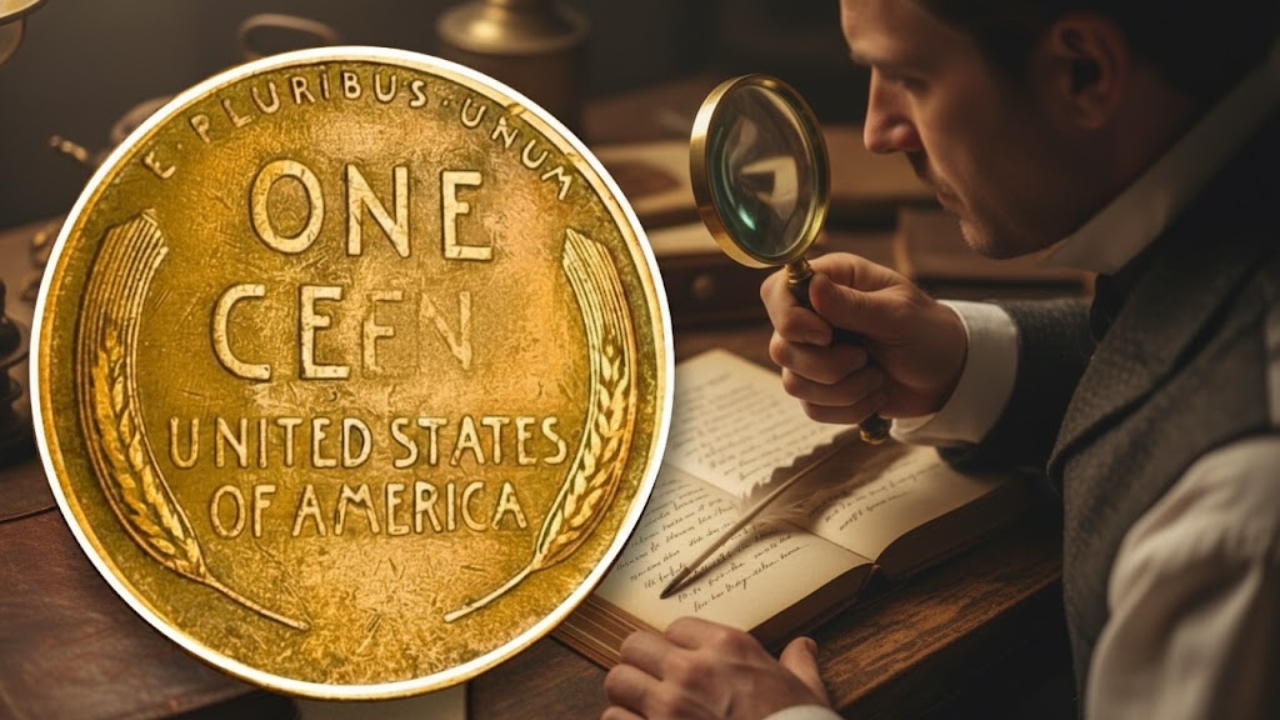
The Lincoln Wheat Penny is one of the most iconic and historically significant coins in U.S. numismatics. Introduced in 1909 to honor the 100th birthday of Abraham Lincoln, it marked a turning point in coin design, becoming the first U.S. coin to feature a real person rather than a symbolic figure. Designed by Victor David Brenner, the coin displays Lincoln’s portrait on the obverse and two wheat stalks on the reverse, symbolizing prosperity and national strength. Over the decades, this simple penny has captivated collectors for both its history and potential value.
What Makes Lincoln Wheat Pennies Special
Several factors contribute to the Wheat Penny’s significance. Its introduction coincided with widespread admiration for Lincoln, making it instantly popular. The initial inclusion of Brenner’s initials (VDB) on the reverse stirred controversy, leading to multiple varieties. Some, like the 1909-S VDB, are exceptionally rare due to limited mintages and design adjustments, making them some of the most sought-after coins among collectors. The design endured nearly 50 years, creating a broad spectrum of coins for hobbyists to explore.

Key Dates and Rare Wheat Penny Varieties
Collectors closely watch certain dates that define the Wheat Penny series. The 1909-S VDB penny stands out for its rarity and high auction value, often exceeding $50,000. The 1914-D penny is another key date due to Denver mint scarcity. Coins like the 1922 No D, which lacks a mint mark due to a die error, and wartime 1943 steel pennies, also command attention. Perhaps the most legendary of all is the 1943 copper penny, struck in error during a zinc-steel year, which can sell for hundreds of thousands of dollars. These variations and errors keep the series exciting and unpredictable for collectors.
Understanding Mint Errors and Their Impact on Value
Wheat Penny collectors prize coins with minting anomalies. Off-center strikes, doubled dies, or missing mint marks can dramatically increase a coin’s value. Condition is equally critical—uncirculated coins with sharp details and original surfaces are far more desirable than worn examples. Even small imperfections in high-grade coins can make a difference, and professional grading often helps confirm authenticity and estimate value accurately.

Collecting and Preserving Wheat Pennies
New collectors should start with common dates and gradually work toward rarer examples. Avoid cleaning coins, as this can damage surfaces and reduce value. Using magnification tools and proper storage techniques, such as protective holders or albums, ensures long-term preservation. Wheat Pennies should be stored in a cool, dry environment to prevent corrosion and surface wear. Tracking each coin’s condition and variety helps build a valuable and well-documented collection.
Auction Records and the Thrill of Discovery
Lincoln Wheat Pennies have produced some of the most impressive auction results in U.S. coin collecting. Coins like the 1943 copper error penny have sold for hundreds of thousands of dollars, highlighting the potential rewards of careful collecting. The thrill lies not only in high-value finds but also in discovering overlooked gems in old coin rolls, inherited collections, or casual circulation. Each penny carries historical and cultural significance, linking collectors to America’s past.

Final Verdict
The Lincoln Wheat Penny is more than just a coin—it is a piece of history, artistry, and American heritage. Its blend of rarity, historical importance, and collectible appeal makes it a favorite for both beginners and seasoned numismatists. Whether hunting for common dates or rare mint errors, collectors gain both enjoyment and potential financial reward. Every Wheat Penny, from everyday circulated examples to high-grade rarities, tells a story of innovation, national pride, and the enduring legacy of Abraham Lincoln.