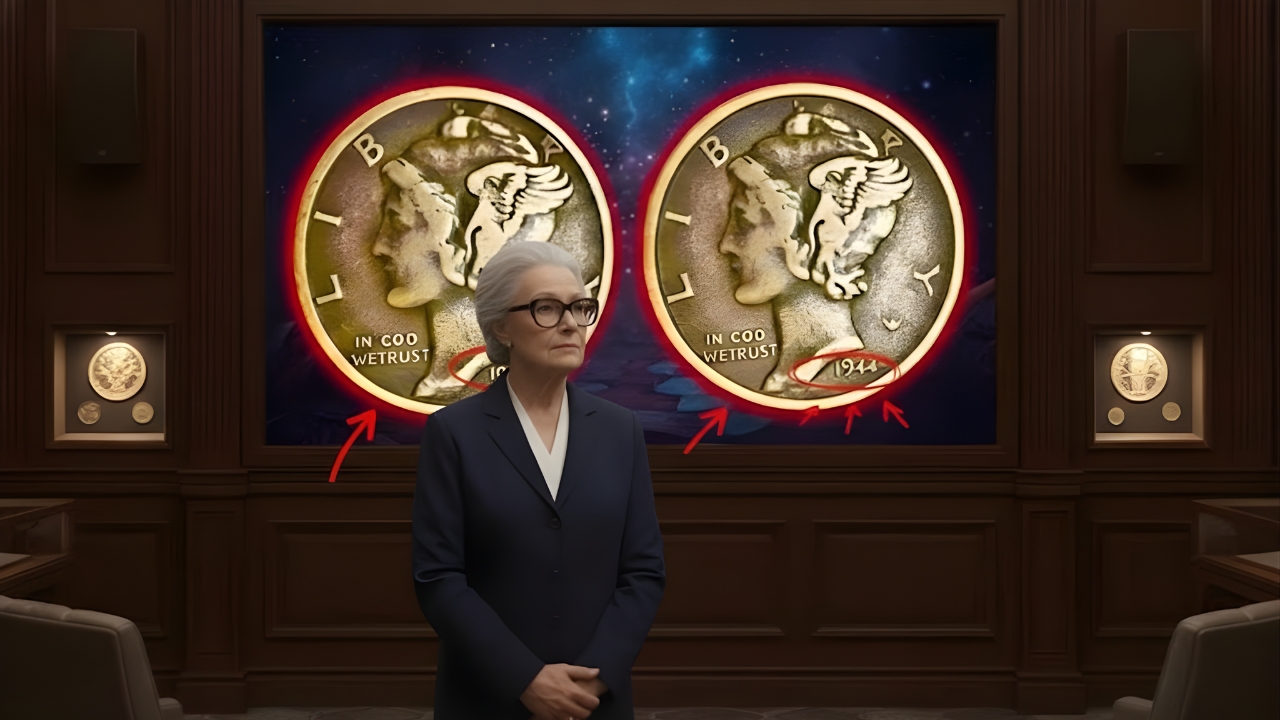
The Mercury Dime remains one of the most admired and collectible coins ever produced in the United States. Small in size but rich in history, this classic silver dime has captured the attention of collectors for more than a century. First introduced in the early 1900s, it combined beautiful artwork with solid silver content, making it both a work of art and a tangible store of value. Today, certain dates and mint marks can be worth thousands—or even tens of thousands—of dollars, turning an ordinary-looking coin into a remarkable treasure.
Many collectors are drawn to Mercury Dimes not only for their potential value but also for the thrill of searching through rolls, inherited jars, or old collections. The possibility of discovering a rare key date or unusual error adds excitement that few modern coins can match.

What Exactly Is the Mercury Dime and Why Is It So Popular
Despite its nickname, the Mercury Dime does not actually depict the Roman god Mercury. The design shows Lady Liberty wearing a winged cap, symbolizing freedom of thought. The image was created by sculptor Adolph A. Weinman and debuted in 1916 as part of a broader effort to refresh American coin designs.
The reverse side features a fasces, representing unity and strength, paired with an olive branch to symbolize peace. Struck in 90 percent silver and 10 percent copper, these dimes were minted until 1945 before being replaced by the Roosevelt Dime. Their silver content, combined with artistic design and historical significance, has helped them remain favorites among collectors.

The Legendary 1916-D: The King of Mercury Dimes
If there is one coin every Mercury Dime collector dreams of owning, it is the 1916-D. Produced at the Denver Mint, this key date had an extremely low mintage of just 264,000 coins. Because so few were made and many entered circulation, high-grade examples are incredibly scarce today.
Even well-worn versions can sell for thousands of dollars, while Mint State specimens often reach six figures at auction. For serious collectors, the 1916-D is considered the crown jewel of the entire series and often the most expensive piece to acquire.

Rare Dates and Errors That Drive Big Prices
While the 1916-D gets most of the attention, several other Mercury Dimes are highly valuable. The 1921 and 1921-D coins had low mintages, making them tough to find in strong condition. The 1931-D is another scarce issue that commands solid premiums.
Error coins add another layer of excitement. The famous 1942/41 overdate happened when a 1941 die was mistakenly struck with a 1942 date, leaving visible traces of both years. This unusual mistake created one of the most sought-after varieties in the series. Collectors eagerly pay thousands for sharp, well-preserved examples.

Proof Mercury Dimes minted between 1936 and 1942 are also desirable. These specially struck coins feature mirror-like surfaces and were produced in limited quantities, making them prized additions to any set.
How Condition and Grading Affect Value
Condition plays a massive role in determining price. A common-date Mercury Dime in heavily circulated shape might only be worth its silver value, while the same coin in Mint State could be worth many times more.

Professional grading services evaluate a coin’s strike, surface quality, and wear, assigning a numerical grade that helps buyers and sellers agree on value. High-grade coins with original luster and minimal marks consistently bring the strongest prices. For rare dates, the difference between average and exceptional condition can mean thousands of dollars.
Market Demand and Investment Appeal
The market for Mercury Dimes has remained steady for decades. Collectors appreciate the combination of silver content, historic design, and limited mintages. Auctions frequently feature key dates that attract competitive bidding, often pushing prices higher each year.

Beyond collecting, many investors see these coins as a practical way to diversify assets. Unlike paper investments, rare coins are tangible and hold both intrinsic metal value and collector demand. This dual appeal helps protect their long-term worth.
Caring for Your Mercury Dimes
Proper storage is essential to preserving value. Coins should be kept in protective holders or albums and handled as little as possible. Cleaning should always be avoided, as it can permanently damage surfaces and reduce value. Professional grading and encapsulation provide added protection and authenticity.

Final Verdict
Mercury Dimes blend history, beauty, and scarcity in a way few coins can match. From the legendary 1916-D to fascinating error varieties like the 1942/41 overdate, these silver dimes continue to excite both beginners and seasoned collectors. With careful grading, smart buying, and proper preservation, they can serve as both cherished keepsakes and valuable investments.
Disclaimer
This content is for informational purposes only. Coin values, prices, availability, and market demand can change over time or by region. Images or features may differ from actual items. Always verify details and consult official numismatic or professional sources before buying or selling collectible coins.