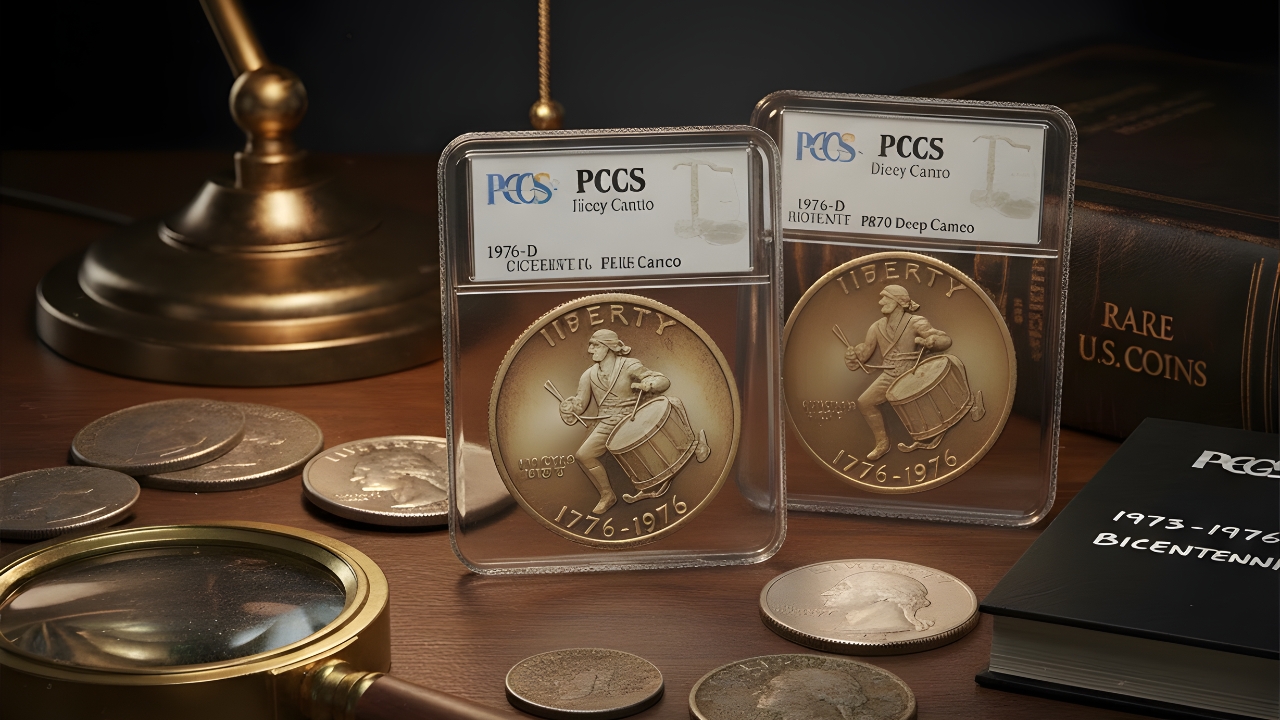
The 1976 Bicentennial Quarter is one of those coins almost every American has handled at some point, yet few realize that certain versions can be worth far more than twenty-five cents. Created to celebrate 200 years of American independence, this special quarter replaced the usual eagle reverse with a colonial drummer and torch design, instantly setting it apart from standard Washington quarters. While millions were minted and most remain common, select pieces in high grades, silver composition, or with unusual mint errors have become serious collector targets in 2026.
Even today, these quarters still pop up in pocket change, coin jars, and old family collections. That everyday familiarity makes the hunt exciting, because you never know when a seemingly ordinary coin might turn out to be something special.
What Exactly Is the 1976 Bicentennial Quarter and Why Is It Special
Unlike regular quarters that feature a single year, the Bicentennial issue carries the dual date 1776–1976 on the front. This small detail marks the coin as part of the nationwide celebration of America’s 200th birthday. The reverse, designed by Jack L. Ahr, shows a colonial drummer standing proudly with a victory torch and thirteen stars representing the original colonies.
The design was struck for two years, 1975 and 1976, but all coins display the same dual date. Because so many people saved them as keepsakes, some examples remain in beautiful condition today. Others circulated heavily, creating a big gap between worn coins and pristine ones. That difference in condition is where much of the value comes from.

Philadelphia and Denver Circulation Coins
Most Bicentennial quarters you’ll encounter were struck in Philadelphia and Denver using the standard copper-nickel clad composition. Philadelphia coins have no mint mark, while Denver pieces show a small D.
In everyday circulated condition, these are still worth face value. However, coins that never entered circulation or show sharp details and bright original luster can be surprisingly valuable. Collectors pay strong premiums for coins graded MS66 or higher, and truly flawless pieces graded MS67 or above are scarce.
Denver coins also attract attention because many well-known mint errors originated there. Off-center strikes, doubled letters, clipped planchets, and die cracks can turn a common quarter into a collectible worth far more than its denomination.
San Francisco Proof and Silver Issues
San Francisco produced special collector versions that stand apart from normal pocket change. Clad proof quarters were made with polished dies and carefully prepared planchets, giving them mirror-like fields and frosted designs. These were sold in proof sets rather than released into circulation.
While most proofs are affordable, the highest-graded examples, especially PR69 and PR70, can command impressive prices due to their near-perfect surfaces.
Even more desirable are the 40 percent silver Bicentennial quarters. These coins were also sold in collector sets and contain real silver, which gives them both numismatic and intrinsic value. They weigh slightly more and lack the copper stripe visible on the edge of clad coins. Because of their silver content and limited numbers, they often sell for many times face value, with top-condition pieces reaching hundreds or even thousands of dollars.
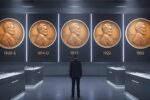
How to Spot a Valuable Bicentennial Quarter
Finding a valuable coin starts with careful observation. First, check the mint mark to determine where it was made. Next, examine the surfaces under good lighting. Crisp details, minimal scratches, and bright luster are positive signs.
Look closely for unusual features such as doubled lettering, misaligned designs, or parts of the image missing. These errors happened during the minting process and can significantly increase value. For silver coins, inspect the edge. A solid silver color without a copper band usually means you’ve found the 40 percent silver version.
If you suspect you have something special, consider professional grading. Certified coins often sell for more because buyers trust the assigned grade.
Market Trends and Collector Interest in 2026
As the United States approaches its 250th anniversary, interest in historic commemorative coins has grown. Bicentennial quarters are seeing renewed attention, especially high-grade and silver examples. Auction results show that collectors are willing to pay premiums for top-quality coins, while average circulated pieces remain easy to find.

This mix of accessibility and potential value keeps the series popular with both beginners and seasoned collectors. You can start searching with loose change, yet there’s still the possibility of uncovering a hidden gem.
Final Verdict
The 1976 Bicentennial Quarter may look ordinary, but certain versions can be surprisingly valuable. High-grade Philadelphia and Denver coins, rare mint errors, San Francisco proofs, and 40 percent silver issues all offer real collecting potential. Whether you’re sorting through spare change or building a serious collection, these patriotic quarters make the hunt both affordable and exciting.

Disclaimer
This content is for informational purposes only. Coin values depend on condition, rarity, grading standards, and market demand, and prices may change over time. Always verify details and consult professional grading services or trusted numismatic experts before buying or selling coins.