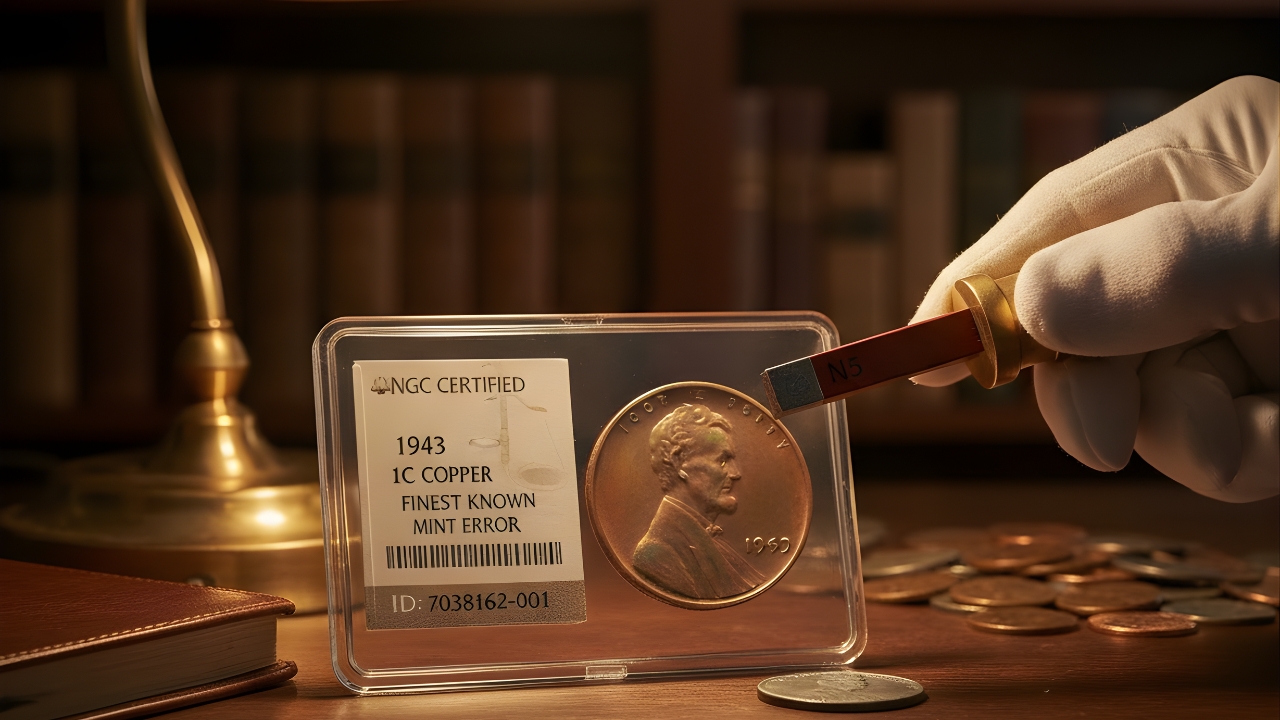
A single penny doesn’t seem like much. Most of us toss them into jars, forget them in car cup holders, or leave them behind at checkout counters. Yet in the world of coin collecting, a humble cent can sometimes be worth more than a luxury home. Certain rare U.S. pennies have sold for six and even seven figures, turning everyday pocket change into life-changing discoveries. That possibility is exactly what keeps collectors searching through rolls of coins and old family collections with excitement.
For many enthusiasts, penny collecting isn’t just about money. It’s about history, craftsmanship, and the thrill of finding something special hiding in plain sight. Each coin tells a story about the year it was made and the conditions under which it was struck. Occasionally, those stories include mistakes or unusual circumstances that create extreme rarity and sky-high values.
What Exactly Is the Reason Some Pennies Are Worth Millions
The value of a rare penny comes down to four key factors: scarcity, demand, condition, and historical importance. Coins minted in very small numbers or struck by accident tend to attract intense collector interest. When demand far exceeds supply, prices climb quickly.
Minting errors play a huge role. If the wrong metal is used, a die is misaligned, or a design is doubled, the result can be a coin unlike any other. Transitional years, when the U.S. Mint changed materials or designs, are especially famous for producing valuable mistakes. Add excellent preservation to the mix, and a one-cent coin can suddenly become a prized artifact.
The Legendary 1943 Copper Lincoln Penny
Among all rare American coins, the 1943 copper penny stands near the top of the list. During World War II, copper was reserved for military equipment, so pennies that year were supposed to be made from steel coated with zinc. However, a few leftover copper blanks slipped through the system and were struck by accident.
Only a tiny number are known to exist. Because they were never meant to be produced, collectors treat them like treasures. When one appears at auction, bidding can soar into the millions. It’s the kind of coin people dream about finding in an old jar of change.

The 1944 Steel Penny Mistake
The following year brought the opposite error. In 1944, the Mint returned to copper production, but a handful of leftover steel planchets were still around. These were mistakenly used, creating steel pennies that shouldn’t exist.
Just like the 1943 copper cent, the 1944 steel penny is extremely rare. Its unusual color and magnetic properties make it stand out instantly. For collectors, it’s another reminder that small manufacturing oversights can create enormous value decades later.

Other Valuable Pennies Collectors Chase
Not every valuable penny is worth millions, but many still command impressive prices. The 1955 doubled die penny is famous for its clearly doubled lettering, making the date and inscriptions look blurry. High-grade examples have sold for tens of thousands.
The 1909-S VDB penny, from the first year of the Lincoln cent design, is another favorite. Its low mintage and historical importance make it a cornerstone for serious collectors. Even the 1877 Indian Head cent, struck in limited numbers, can bring huge sums at auction.
How to Spot a Rare Penny in Your Change
Finding one of these coins requires patience and attention to detail. Start by checking the date and mint mark. Early years, unusual designs, and wartime issues deserve extra scrutiny. Look closely for doubling, odd colors, or coins that feel lighter or heavier than normal.
Simple tools help. A small magnifying glass can reveal design errors, while a magnet can quickly identify steel pennies. If something looks different, don’t clean it. Cleaning can damage the surface and reduce value. Instead, store it safely and seek expert advice.

Why Condition and Grading Matter So Much
Even the rarest penny loses value if it’s scratched or worn smooth. Collectors pay premiums for coins that look nearly new. Professional grading services evaluate coins based on wear, luster, and overall eye appeal, then assign a grade that helps buyers trust what they’re purchasing.
Higher grades often mean dramatically higher prices. Two identical coins can differ in value by thousands simply because one is better preserved.

The Lasting Appeal of Penny Collecting
Part of the charm of penny collecting is that anyone can participate. You don’t need expensive equipment or insider connections. All it takes is curiosity and a careful eye. While most searches won’t uncover a fortune, the chance that something extraordinary could appear keeps the hobby exciting.
Beyond the financial aspect, these coins connect us to the past. They’ve passed through countless hands, witnessed historic moments, and survived decades of change. Holding one is like holding a small piece of American history.

Final Verdict
Rare U.S. pennies prove that incredible value can hide in the smallest places. From the famous 1943 copper cent to doubled dies and low-mintage classics, these coins combine history, luck, and scarcity in fascinating ways. While striking it rich isn’t guaranteed, checking your spare change might just uncover a tiny treasure that changes everything.