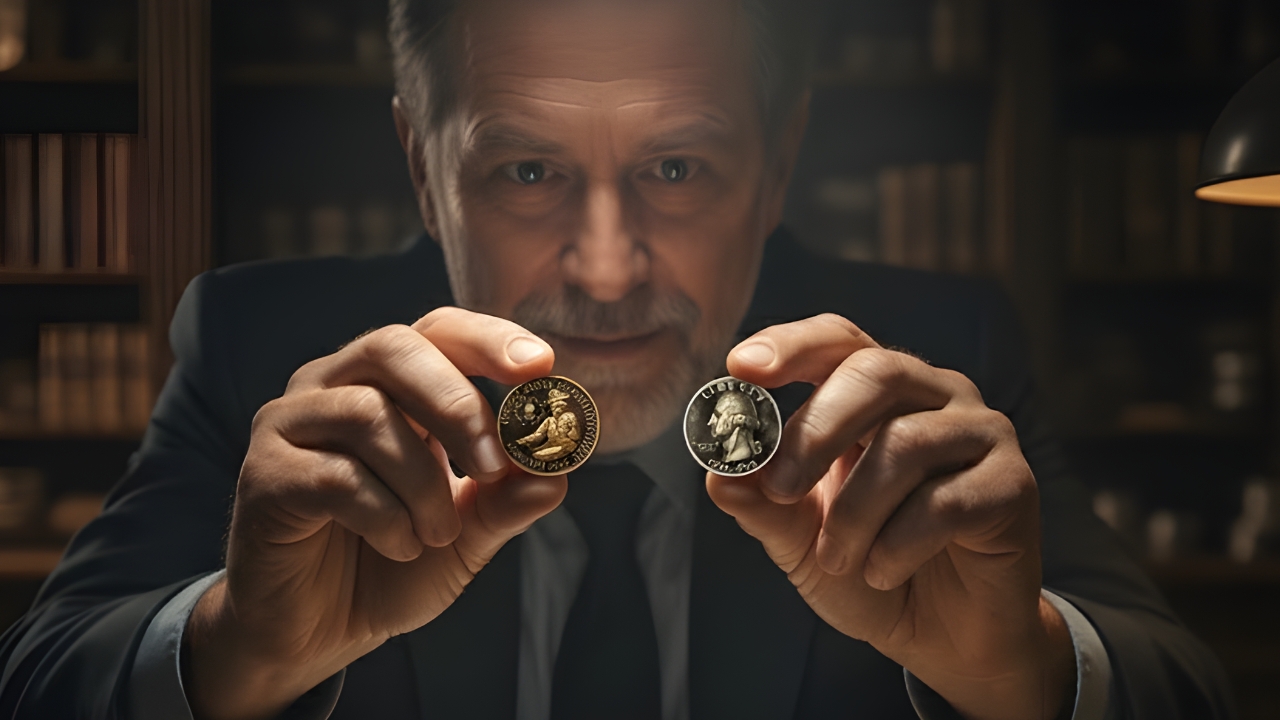
The Bicentennial Quarter is one of those coins almost every American has seen at some point. It shows up in spare change, coin jars, and old drawers, often without a second glance. Yet this familiar quarter carries a special story. Created to celebrate 200 years of American independence, it broke away from the standard design and quickly became one of the most memorable coins ever issued by the U.S. Mint.
While most examples are still worth only twenty-five cents, a select group of Bicentennial Quarters can be surprisingly valuable. Silver versions, proof strikes, and unusual minting errors have turned some of these everyday coins into sought-after collectibles. For many hobbyists, the thrill lies in the possibility that a rare piece could be hiding in plain sight.

What Exactly Is the Bicentennial Quarter
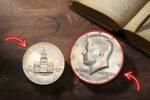
To mark the nation’s 200th birthday, the U.S. Mint released special quarters dated 1776–1976. Instead of the usual eagle on the reverse, artist Jack L. Ahr designed a colonial drummer alongside a torch and thirteen stars representing the original colonies. The obverse kept George Washington’s portrait but added the dual date to highlight the anniversary.
These coins were struck in 1975 and 1976, and no quarters dated 1975 were produced. Hundreds of millions entered circulation, ensuring that nearly everyone handled one at some point. That wide release is why most examples remain common today.
Still, within this massive mintage are certain varieties that stand apart from the rest.
Why Collectors Still Care About Bicentennial Quarters
Part of the appeal is historical significance. The coin commemorates a major milestone in American history, making it more meaningful than a standard issue quarter. For many people, it was also their first “special” coin, sparking early interest in collecting.
Beyond nostalgia, collectors appreciate the design and the challenge of finding higher-quality or unusual pieces. Coins that combine history with scarcity tend to hold long-term demand, and the Bicentennial Quarter fits that pattern perfectly.
Silver Bicentennial Quarters and Their Premiums
Not all Bicentennial Quarters were made from the typical copper-nickel blend. The Mint also produced special collector versions struck in 40 percent silver. These were sold in proof and uncirculated sets rather than released for everyday use.

Because they contain precious metal, silver quarters carry intrinsic value tied to the price of silver. On top of that, their limited production and attractive finish make them more desirable to collectors. Even average examples often sell for several times face value, while pristine or professionally graded pieces can bring higher premiums.
A simple way to spot a silver coin is by checking the edge. Instead of the usual copper stripe, the edge appears solid silver-gray.

Mint Errors That Can Boost Value Dramatically
Some of the most valuable Bicentennial Quarters owe their worth to mistakes during production. These mint errors are accidental and therefore much scarcer than standard coins.
Double die errors show noticeable doubling in the lettering or design. Off-center strikes create coins where part of the image is missing or shifted. Wrong planchet errors occur when a quarter is struck on a blank meant for another coin, such as a dime. Clipped planchets may have a curved section missing from the edge.
Depending on how dramatic the error is and how well the coin is preserved, these pieces can sell for hundreds or even thousands of dollars. Collectors love them because each one is unique and impossible to duplicate.
The Importance of Condition and Professional Grading
Condition plays a huge role in determining price. A heavily worn quarter might be interesting historically but won’t command much value. In contrast, coins with sharp details, original luster, and no visible damage are far scarcer.

Professional grading services evaluate coins and assign standardized grades, which helps buyers and sellers agree on value. A difference of just one or two grades can significantly change the price, especially for proof or silver issues.
Proper storage also matters. Keeping coins in holders or albums protects them from scratches and environmental damage, preserving their long-term appeal.
How to Check Your Own Bicentennial Quarters
If you want to search for valuable examples, start by looking for the dual date 1776–1976 and checking the mint mark. Examine the edge to see if it might be silver. Use a magnifying glass to look for doubling, odd shapes, or unusual features that could signal an error.
Even if most coins turn out to be ordinary, the hunt itself is part of the fun. Every handful of change carries a small chance of something special.
Final Verdict
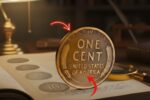
The Bicentennial Quarter is more than a commemorative coin. It’s a piece of American history that still circulates decades later. While most are common, silver issues, proof strikes, and dramatic mint errors continue to attract strong collector interest. For anyone willing to pay attention, these quarters offer a blend of nostalgia, history, and the exciting possibility of hidden value.
Disclaimer
This article is for informational purposes only. Coin values may change based on rarity, condition, grading standards, and market demand. Prices and availability can vary over time and by region. Always verify details with certified numismatists or professional grading services before buying or selling collectible coins.