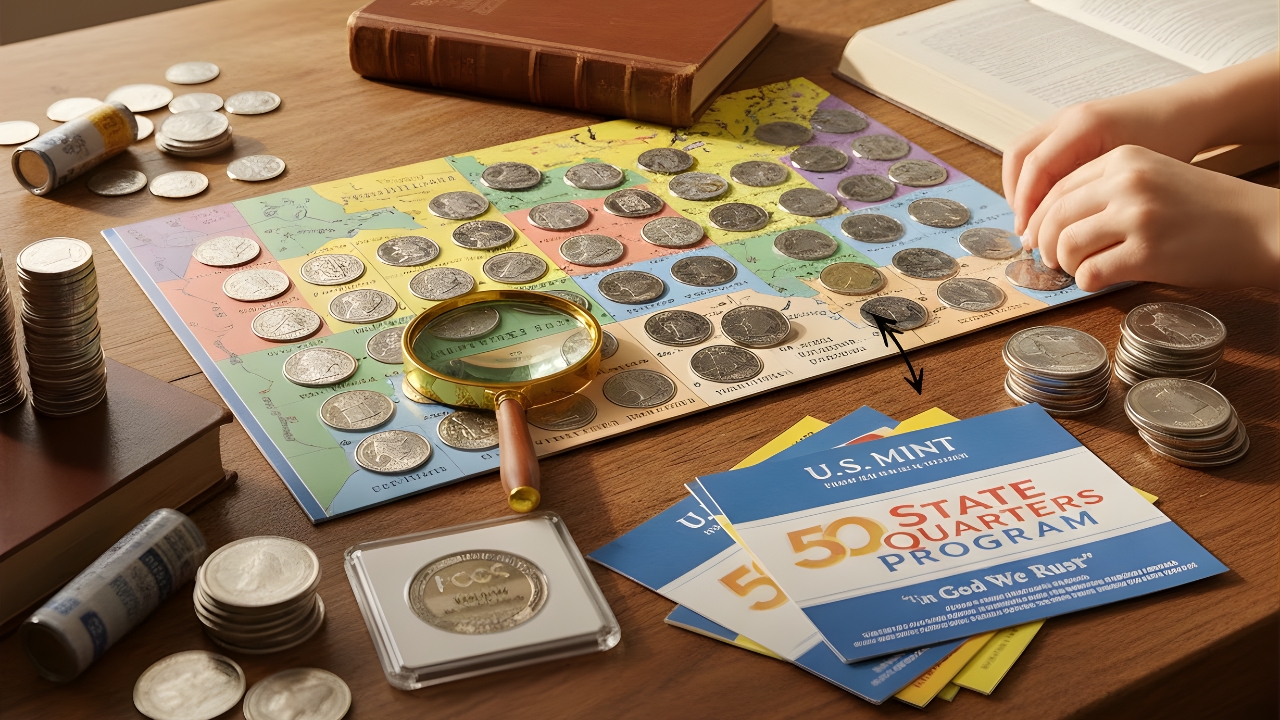
When the United States Mint launched the State Quarters program in 1999, few people expected it to become one of the biggest coin-collecting movements in modern history. What seemed like a simple design change quickly turned everyday pocket change into a nationwide treasure hunt. Suddenly, each quarter told a story, highlighting state landmarks, historical events, and symbols of local pride.
For many Americans, this was their first introduction to coin collecting. Families sorted change at the kitchen table, children filled colorful maps, and banks ran short on fresh rolls as customers rushed to grab the newest releases. Over the next decade, the humble quarter evolved into a cultural phenomenon that blended history, education, and the thrill of discovery.
What Exactly Is the State Quarters Program
The State Quarters program was a circulating coin series that honored all 50 U.S. states with unique reverse designs. Beginning in 1999 and concluding in 2009, the Mint released five new quarters each year in the order that states joined the Union.
Each design showcased something meaningful, from famous landmarks to important historical figures. While the front of the coin continued to feature George Washington, the back changed with every new release. This constant variety encouraged people to look more closely at their change and start saving coins they might otherwise have spent.

The program’s goal was both educational and commemorative, but it also succeeded in creating one of the largest waves of new collectors ever seen in American numismatics.
How the Collecting Craze Took Off Nationwide
The early days of the series were electric. When the first coins appeared, banks saw lines of people asking for newly released quarters. Albums and collector folders quickly hit store shelves, making it easy to track which states were missing.

Teachers used the coins to spark lessons about geography and history. Parents and kids turned the search into a game. Even people who had never considered themselves collectors started setting coins aside. This widespread enthusiasm gave the program a life far beyond its original purpose.
At first, some early issues sold for small premiums simply because demand outpaced supply. Over time, however, most coins became easy to find as millions entered circulation.
Why Most State Quarters Are Still Worth Face Value
Despite their popularity, the majority of State Quarters remain common today. The Mint produced them in huge quantities, and many people saved them from the start. As a result, supply is high, which keeps prices low for typical circulated examples.
A worn quarter pulled from change is usually still worth just twenty-five cents. But that doesn’t mean the series lacks value. Instead, the real opportunities lie in special categories that combine rarity with strong collector interest.

Error Coins and Rare Varieties That Stand Out
Some of the most exciting State Quarters owe their value to mistakes made during production. Minting errors can create coins that look noticeably different, instantly catching a collector’s eye.
The 2004 Wisconsin quarter with an extra leaf on the corn stalk is one of the best-known examples. Another is the 2005 Kansas quarter missing part of its motto due to a grease-filled die. These unusual pieces turned everyday coins into sought-after collectibles, sometimes selling for hundreds of dollars depending on condition.
Because errors can’t be easily reproduced, they often become the most valuable coins in the series.
The Appeal of Silver Proof State Quarters
Beyond circulation coins, the Mint also produced special silver proof versions made with 90 percent silver. These coins were designed specifically for collectors and featured sharp details and mirror-like finishes.
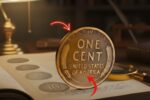
Their value comes from two sources: limited production and precious metal content. As silver prices rise, these proofs often gain additional appeal. Many collectors view them as both beautiful keepsakes and long-term investments.
How Condition and Grading Affect Prices
Condition plays a major role in determining value. Coins that remain bright, sharply struck, and free from scratches are much scarcer than worn pieces. Professional grading services evaluate these factors and assign a grade that helps buyers understand a coin’s quality.

Even common dates can sell for surprising amounts if they are preserved in near-perfect condition. For serious collectors, grading adds credibility and protection, especially when buying or selling higher-end coins.
Why the Series Still Matters Today
More than a decade after the final release, State Quarters continue to attract interest. Complete sets assembled during the original run are now cherished collections, and rare varieties keep the hunt alive.
Perhaps more importantly, the program introduced millions of people to the joy of collecting. It reminded everyone that history isn’t just in museums; sometimes it’s right there in your pocket.
Final Verdict
The State Quarters program transformed everyday currency into a nationwide hobby and left a lasting mark on American coin collecting. While most examples remain common, error coins, silver proofs, and high-grade pieces still hold meaningful value. Beyond money, the true legacy of the series is the curiosity and excitement it sparked, proving that even a simple quarter can tell a remarkable story.
Disclaimer
This article is for informational purposes only. Coin values may change based on rarity, condition, grading standards, market demand, and regional availability. Prices and performance can fluctuate over time. Always verify details and consult professional numismatists or certified grading services before buying or selling collectible coins.