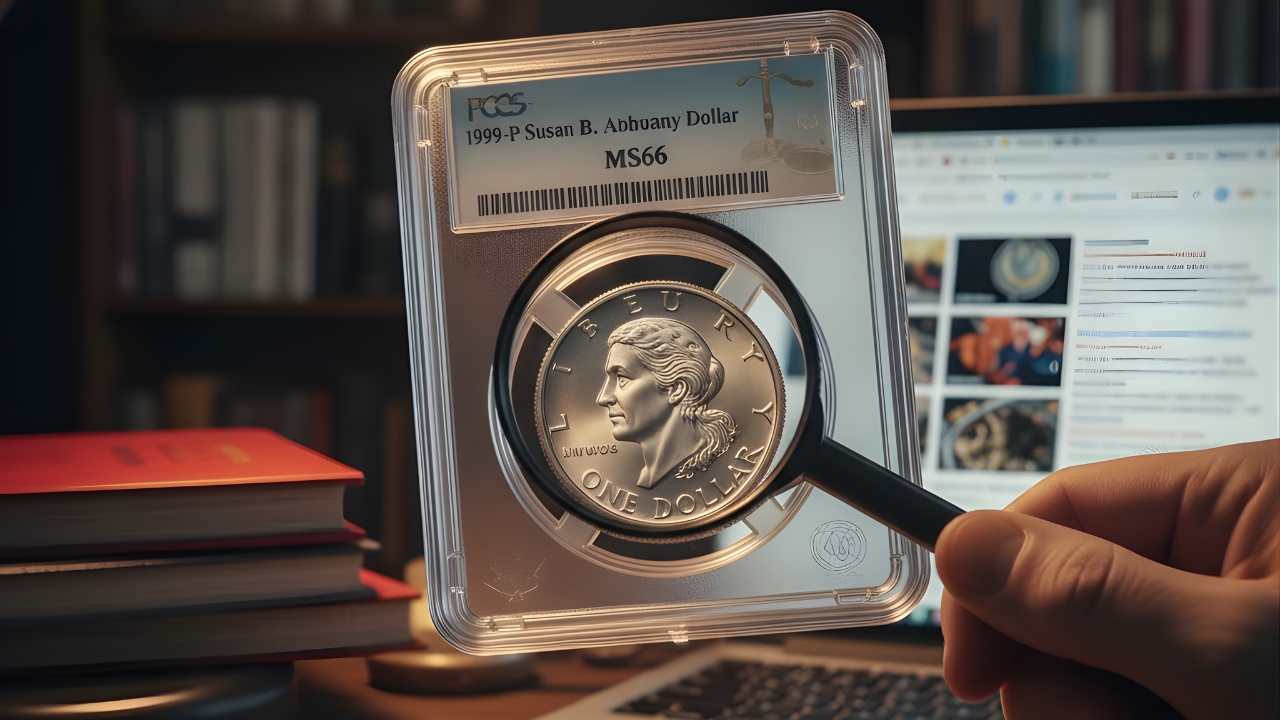
The 1999-P Susan B. Anthony dollar might not look especially rare at first glance, but in 2026 it has become one of the most searched modern U.S. coins among collectors. Once dismissed as an awkward, short-lived dollar that many people confused with a quarter, this coin now holds a unique place in numismatic history. For some, it’s a nostalgic reminder of late 1990s pocket change. For others, it’s a sleeper collectible with surprising upside, especially in high grades or with mint errors.
Most examples are still affordable, yet certain pieces can sell for far more than face value. That mix of accessibility and potential reward keeps both beginners and experienced collectors interested.

What Exactly Is the 1999-P Susan B. Anthony Dollar
The Susan B. Anthony dollar was first introduced in 1979 and made headlines as the first U.S. circulating coin to feature a real woman. Despite its historic design, the coin struggled in everyday use because it closely resembled the quarter in size and color. Public confusion limited acceptance, and production mostly stopped after 1981.
Then, unexpectedly, the coin returned in 1999. A shortage of dollar coins for transit systems and vending machines forced the U.S. Mint to produce one final run before launching the Sacagawea dollar. The Philadelphia Mint struck millions of new coins marked with a “P” mint mark and released them quickly into circulation. Because they weren’t heavily saved at the time, truly pristine examples are less common today than many people assume.

1999-P Susan B. Anthony Dollar Value in 2026
Value depends heavily on condition. Circulated coins that show everyday wear typically trade close to face value, usually between one and two dollars. These pieces often display flattened details on Anthony’s portrait and small scratches from handling.
Uncirculated coins are where premiums begin. Bright, clean examples pulled from rolls or old collections can sell for five to ten dollars. Certified coins graded around MS65 often reach twenty to fifty dollars, depending on eye appeal and demand. Higher-end registry-quality pieces with sharp strikes and minimal marks may sell for even more, especially among serious collectors trying to complete top-grade sets.
While these numbers aren’t life-changing, they show that even modern coins can outperform their original value with the right condition.
Rare Errors That Can Boost Prices Dramatically
Where things get exciting is with mint errors. Mistakes made during production can turn an ordinary dollar into a standout collectible.

Off-center strikes are a popular variety. When the design is noticeably shifted but the date remains visible, collectors often pay a strong premium. Double strikes, where the coin receives two impressions, create dramatic overlapping designs that draw attention immediately.
Die cracks and cuds, caused by damaged dies, form raised lines or blobs of metal on the surface. Larger, more obvious examples are especially desirable. These errors make each coin unique, which adds to their appeal.
The rarest category is wrong planchet errors. If a Susan B. Anthony dollar is struck on a blank meant for another denomination, the result can be extremely scarce and valuable. Such pieces can command hundreds or even thousands of dollars when authenticated.
Why Condition and Grading Matter So Much
Modern coins often look similar to the untrained eye, which is why professional grading plays a major role in pricing. A small difference in surface marks or strike quality can mean a big jump in value.
Coins certified by reputable grading services generally sell faster and for higher prices because buyers trust the assigned grade. Authentication is even more important for error coins, since altered or fake errors sometimes appear in the market. Professional evaluation provides peace of mind for both buyers and sellers.
If you suspect you have a special piece, resist the urge to clean it. Cleaning can permanently damage the surface and lower the value instantly.

Why Collectors Still Want This Coin in 2026
The 1999-P issue represents the final chapter of the Susan B. Anthony series, which gives it a built-in historical appeal. It also serves as a bridge between older small-dollar coins and the golden Sacagawea dollars that followed. Short-lived or transitional coins often attract steady interest over time.
Another reason for its popularity is affordability. You can still find examples in circulation or bank rolls, making it an easy and fun entry point for new collectors. The possibility of discovering a high-grade coin or valuable error adds an element of treasure hunting that keeps the hobby exciting.

Final Verdict
The 1999-P Susan B. Anthony dollar proves that modern coins shouldn’t be overlooked. While most are worth only slightly more than a dollar, uncirculated examples and genuine mint errors can bring impressive premiums in 2026. With careful inspection, proper storage, and professional grading when needed, this overlooked dollar can become a worthwhile addition to any collection.