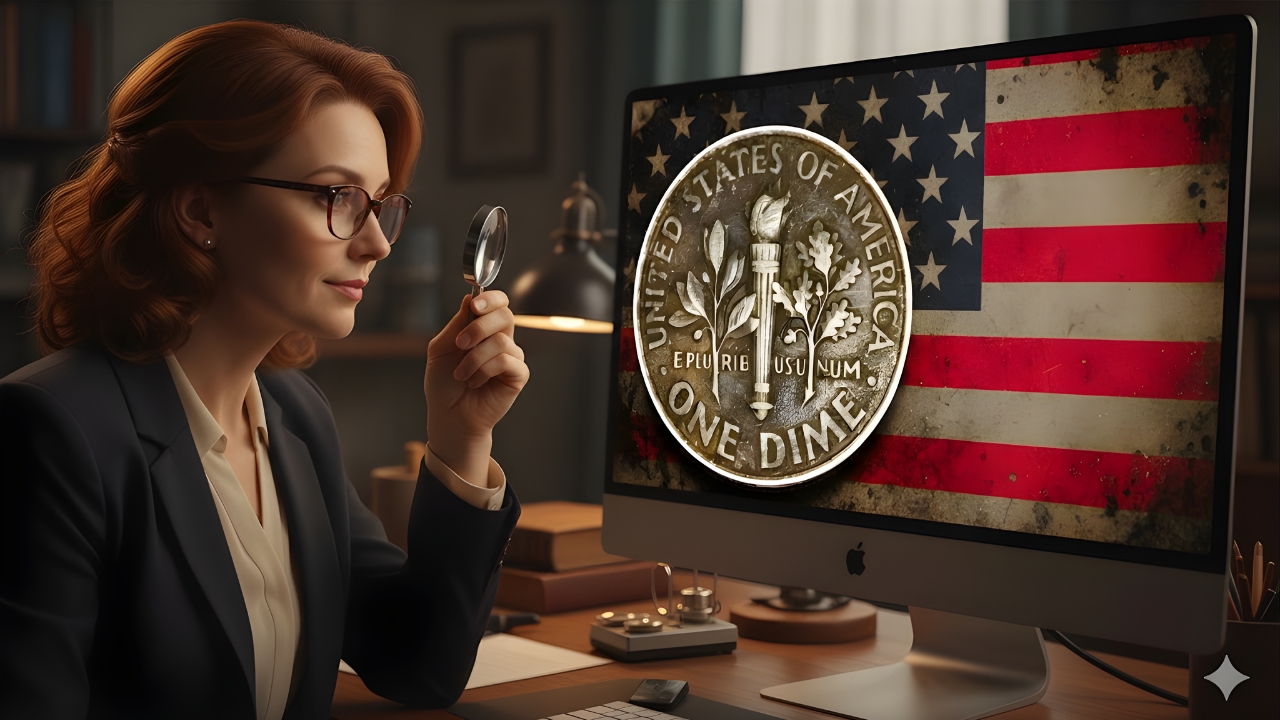
Coins often pass through our hands without a second thought. A dime buys very little, and a quarter is easy to overlook. Yet in the world of coin collecting, some of these tiny pieces of metal have achieved almost mythical status. A handful of rare dimes and special Bicentennial quarters have sold for eye-popping prices, proving that even the smallest denominations can carry enormous value.
What makes this especially fascinating is that many of these coins look ordinary at first glance. Their worth comes from subtle details like limited mintages, unusual metal compositions, or minting mistakes that escaped quality control. For collectors, the idea that a life-changing discovery might be hiding in everyday change keeps the hunt alive.
What Exactly Makes a Dime or Quarter Valuable
Coin value is rarely random. It usually comes down to a few core factors: rarity, condition, demand, and historical importance. If only a small number of coins were produced or survived, scarcity pushes prices higher. Coins preserved in near-perfect condition also command strong premiums because they are harder to find.
Mint errors add another layer of excitement. A coin struck off-center or with doubled lettering becomes unique, and collectors are often willing to pay extra for something unusual. When all these elements combine, prices can climb far beyond face value.
The Legendary 1894-S Barber Dime
If there is one dime that every collector dreams about, it’s the 1894-S Barber Dime. Only 24 were minted at the San Francisco Mint, and fewer than ten are known to exist today. No one knows exactly why the mintage was so low, which adds mystery to the story.
Because so few remain, this coin has become one of the great prizes of American numismatics. When an example appears at auction, bidding can reach into the millions. It’s a reminder that rarity alone can transform a tiny silver coin into a historic artifact.
The Key-Date 1916-D Mercury Dime
Another standout is the 1916-D Mercury Dime. The Mercury series began that year, but the Denver Mint produced only a small quantity compared to other locations. As a result, this date quickly became the key coin collectors needed to complete their sets.
Even heavily worn examples can sell for hundreds or thousands of dollars. In high grades with sharp details and bright surfaces, prices can climb into six figures. Its popularity makes it one of the most sought-after dimes in U.S. history.

The 1942/41 Mercury Dime Overdate Error
Errors sometimes create value by accident, and the 1942/41 overdate is a perfect example. During production, a die with a 1941 date was repunched with 1942, leaving both numbers partially visible. Under magnification, the overlapping digits are easy to spot.
Collectors love this type of mistake because it tells a story about the minting process. Clear examples of the overdate can sell for tens of thousands of dollars, especially when preserved in excellent condition.
The Bicentennial Quarter Legacy
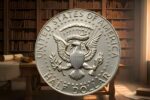
In 1976, the United States celebrated its 200th anniversary with special coin designs, including the famous drummer boy reverse on the quarter. Millions were made, and most are still worth only 25 cents. But certain versions have become highly collectible.
Some Bicentennial quarters were struck in 40 percent silver for collectors rather than circulation. These pieces are scarcer and more valuable, particularly in high grades. Their silver content and limited production give them a strong following.
Error and Experimental Bicentennial Quarters
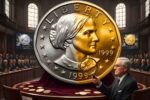
Beyond silver issues, mint errors have created even more valuable finds. Off-center strikes, doubled designs, and wrong-metal compositions stand out immediately. Because they are unusual, collectors compete strongly for them.
A few experimental or prototype strikes from the Bicentennial era are considered extremely rare. These coins were never meant for everyday use, which makes surviving examples especially desirable. When authenticated, they can reach astonishing prices at auction.
How to Spot Valuable Coins in Your Change
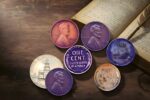
The search doesn’t require expensive tools. Start by checking the date and mint mark. Look for unusual designs, doubling in the lettering, or coins that seem misaligned. A simple magnifying glass can reveal details that most people miss.
If you believe you’ve found something special, avoid cleaning it. Cleaning can damage the surface and reduce value. Professional grading services can confirm authenticity and provide an accurate assessment.
Final Verdict
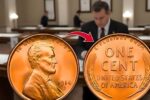
Rare dimes and Bicentennial quarters prove that small coins can hold big surprises. From the ultra-scarce 1894-S Barber Dime to silver and error quarters from 1976, these pieces show how history, rarity, and condition combine to create extraordinary value. Taking a moment to examine your change might not always lead to millions, but the possibility makes every coin worth a closer look.