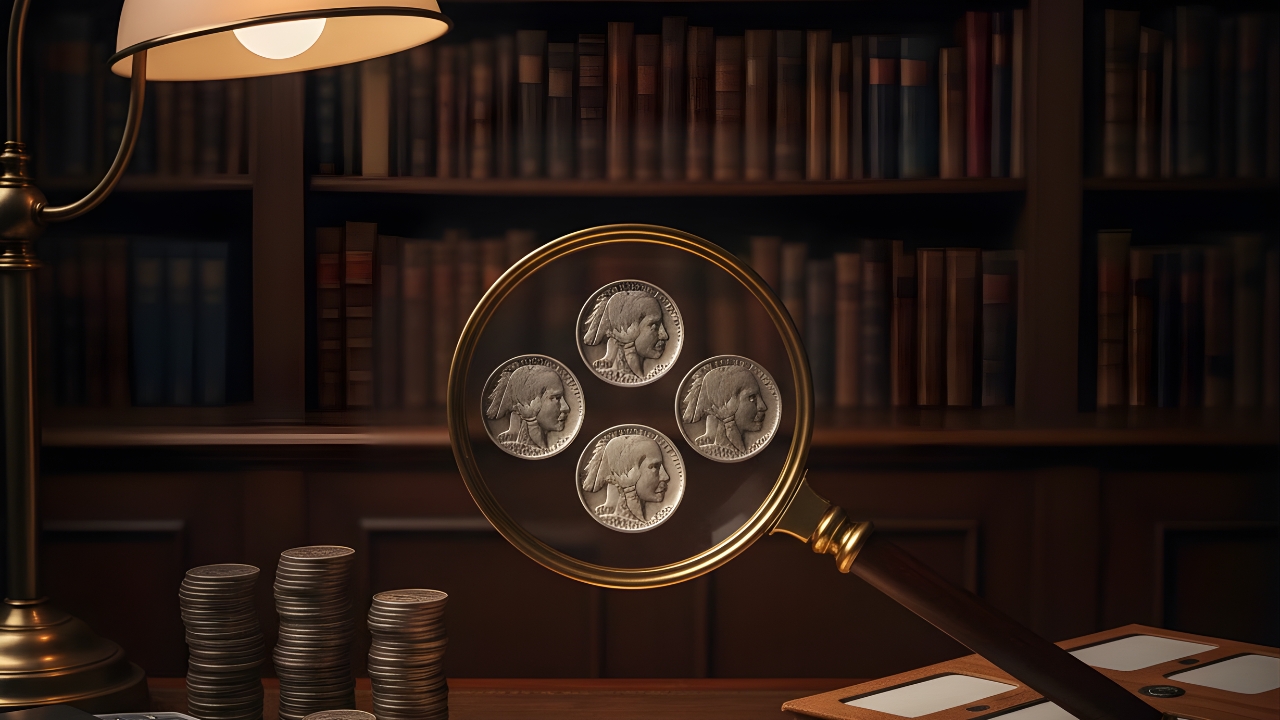
Nickels rarely get the same attention as pennies or silver dollars, yet some of the most astonishing prices in American coin collecting belong to five-cent pieces. What most people treat as spare change has quietly become a serious investment category. A handful of rare nickels, thanks to tiny mintages, production mistakes, or unusual backstories, now trade for six or seven figures. In 2026, demand for these coins continues to grow as collectors hunt for historic pieces that combine rarity with character.
The appeal is easy to understand. Nickels have circulated for more than a century, passing through countless hands. That everyday history makes it even more exciting when one turns out to be worth a small fortune.

What Exactly Is the Appeal of Rare Nickel Coins for Modern Collectors
Nickels occupy a unique space in U.S. coinage. They have featured several distinct designs over the years, from the early Shield Nickel to the rugged Buffalo and the long-running Jefferson portrait. Each era tells a different story about American art, technology, and culture.
Because many nickels were heavily used in daily transactions, high-quality survivors are scarce. When you combine age, low mintages, and wear from circulation, you get the perfect recipe for rarity. Collectors value coins that managed to escape damage, and they pay a premium for the best examples.

Errors also play a big role. Small mistakes during production can transform an ordinary nickel into a famous variety that collectors chase for decades.
The Legendary 1913 Liberty Head Nickel
If there is a king of nickels, it is the 1913 Liberty Head. Officially, the Liberty design ended in 1912, yet five mysterious coins dated 1913 somehow exist. Their origins remain unclear, adding intrigue that has fascinated collectors for generations.

Only five examples are known, and each has a documented ownership history. Whenever one appears at auction, the numismatic world pays attention. Prices in the multi-million-dollar range are common, making this coin one of the most valuable pieces in American coinage.
Buffalo Nickels That Became Collector Icons
The Buffalo Nickel series, introduced in 1913, is beloved for its bold design featuring a Native American portrait and an American bison. Within the series, several dates stand out.

The 1918/7-D overdate is a classic error created when one year’s date was stamped over another. Under magnification, both numbers can be seen. This visible mistake makes the coin highly desirable and extremely valuable in top grades.
Another favorite is the 1937-D Three-Legged Buffalo. Excessive die polishing accidentally removed one of the buffalo’s legs, creating a dramatic and easily recognized flaw. Its unusual look has made it one of the most famous error coins ever produced.

The 1926-S Buffalo Nickel also commands strong prices because of its low mintage and the fact that most examples circulated heavily. Finding one in sharp condition is a real challenge.
Early Shield Nickels With Tiny Mintages
Before Buffalo Nickels, the U.S. Mint produced the Shield design. Several late-year issues, including 1879, 1880, and 1881, were struck in very small numbers, often mainly for collectors rather than circulation.

Because so few were made and even fewer survived in excellent shape, these coins are highly prized today. Their age and scarcity make them important pieces for anyone building a complete nickel collection.
Valuable Jefferson Nickels You Might Still Find
Not every valuable nickel is from the 1800s. Even modern-looking Jefferson Nickels can surprise you.
The 1950-D Jefferson Nickel has the lowest mintage of the entire series. While worn pieces are common, sharply struck, uncirculated coins can sell for impressive sums. Collectors especially seek examples with full detail and original luster.
During World War II, special alloy nickels were produced to save metal for the war effort. Some, like the 1943-P doubled eye variety, show noticeable doubling in Jefferson’s portrait. These wartime errors are both historical and collectible, giving them strong market demand.

What Drives Nickel Values Higher
Several factors consistently influence prices. Extremely low mintage numbers limit supply. Mint errors add uniqueness. Historical importance connects coins to specific moments in time. Above all, condition matters. A well-preserved coin can be worth many times more than a worn example of the same date.
Professional grading and authentication also help. Certified coins give buyers confidence, which often translates into higher sale prices.

Tips for New Collectors
Start by checking old change, coin rolls, or inherited collections. Learn key dates and varieties so you know what to look for. Use magnification to spot errors and never clean your coins, as cleaning can permanently reduce value. If you suspect you have something special, consider having it professionally graded.
Final Verdict
Rare nickel coins prove that even a simple five-cent piece can carry extraordinary value. From the mysterious 1913 Liberty Head to iconic Buffalo errors and scarce Shield issues, these coins blend history, artistry, and rarity in a way few collectibles can match. With knowledge and patience, collectors in 2026 still have a chance to uncover nickels worth far more than their face value.
Disclaimer
Coin specifications, prices, availability, and market demand may change over time or vary by region. Values depend heavily on rarity, authenticity, and condition. Images or features may differ from actual coins. Always verify details with official mint sources or certified numismatic professionals before buying, selling, or investing in collectible coins.