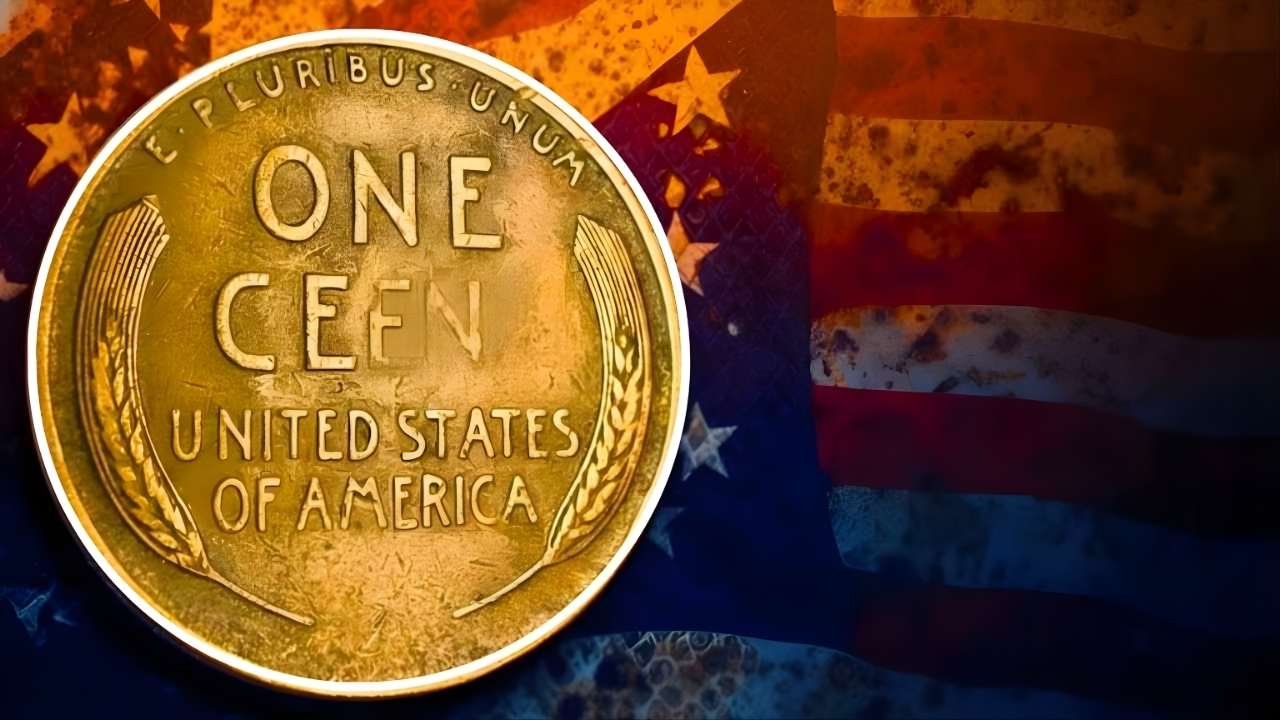
The Lincoln Wheat Penny holds a special place in American coin history. Introduced in 1909, it marked a turning point in U.S. coinage and remains one of the most widely collected coins today. From common circulated pieces to legendary rarities worth hundreds of thousands of dollars, the Wheat Penny offers something for every collector. Its appeal lies not only in potential value, but also in the history and symbolism each coin represents.
The Birth of the Lincoln Wheat Penny
The Lincoln Wheat Penny was released to commemorate the 100th anniversary of Abraham Lincoln’s birth. It became the first U.S. coin to feature a real historical figure rather than a symbolic image such as Liberty. Designed by Victor David Brenner, the coin displayed a dignified portrait of Lincoln on the obverse, while the reverse featured two wheat stalks framing the words One Cent. The wheat design symbolized national growth, strength, and prosperity during a changing era in American history.

Early Public Reaction and Growing Popularity
Public reaction to the new penny was overwhelmingly positive. Lincoln was widely admired, and many Americans appreciated seeing his image on everyday currency. As a result, people began saving the coins almost immediately. This early hoarding explains why some early-date Wheat Pennies are still found today, while others with lower mintages quickly became scarce.
The VDB Initials and a Historic Controversy
One of the most famous moments in Wheat Penny history involved the designer’s initials. Victor David Brenner placed the initials VDB prominently on the reverse in 1909. Critics argued the initials were too noticeable, and the Mint removed them later that year. This short-lived design change created one of the most important U.S. coins ever made, the 1909-S VDB. With an extremely low mintage, it stands as one of the most valuable and recognizable pennies in American numismatics.
Design and Composition Changes Over Time
Although the Wheat Penny design remained largely unchanged until 1958, its metal composition evolved. Most Wheat Pennies were struck in bronze, but World War II brought a dramatic shift. In 1943, copper shortages forced the U.S. Mint to produce pennies from zinc-coated steel. These steel cents are instantly recognizable and remain popular with collectors due to their historical significance.
Even more famous are the 1943 copper pennies, accidentally struck on leftover bronze planchets. These error coins are among the rarest and most valuable U.S. coins ever discovered.
Key Dates That Define Lincoln Wheat Penny Value
Certain dates play a major role in determining Wheat Penny value. Coins such as the 1914-D and the 1931-S are considered key dates due to low production numbers. The 1922 No D penny, missing its mint mark because of a die issue, is another highly desirable variety. These coins are essential for serious collectors and can command strong prices even in lower grades.
Rare Errors That Drive Collector Demand
Mint errors add another layer of excitement to Wheat Penny collecting. Off-center strikes, doubled dies, and wrong-metal errors can dramatically increase value. The 1943 copper penny is the most famous example, with confirmed specimens selling for hundreds of thousands of dollars. Error coins stand out because of their uniqueness, and collectors often compete fiercely for well-documented examples.

The End of the Wheat Penny Era
The Wheat Penny design came to an end in 1958. In 1959, the reverse was changed to feature the Lincoln Memorial in honor of Lincoln’s 150th birthday. While the design update marked a new chapter, the Wheat Penny era remains especially cherished for its classic appearance and historical significance.
How Lincoln Wheat Penny Value Is Determined
Several factors influence a Wheat Penny’s value. Rarity is crucial, but condition is equally important. Coins with sharp details, minimal wear, and original surfaces are worth far more than heavily circulated examples. Mint marks also matter, as coins from certain mints were produced in lower quantities. Market demand and collector interest further shape prices, especially for high-grade or rare varieties.
Collecting Lincoln Wheat Pennies Today
One reason Wheat Pennies remain popular is accessibility. Beginners can start with common dates found in old jars or collections, while advanced collectors pursue key dates, errors, and high-grade coins. The series offers a clear path for progression, making it ideal for long-term collecting.
Preservation and Proper Storage
Preserving Wheat Pennies correctly is essential. Coins should be handled by the edges and stored in a dry, stable environment. Protective holders, albums, or archival flips help prevent damage. Cleaning should always be avoided, as it can permanently reduce a coin’s value regardless of rarity.
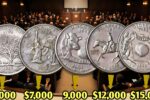
The Thrill of the Hunt
Many collectors are drawn to Wheat Pennies because of the thrill of discovery. Searching through inherited collections, estate sales, or coin rolls keeps the excitement alive. The possibility of finding a rare date or error coin in everyday change continues to fuel interest in the series.
Final Verdict
The Lincoln Wheat Penny remains one of the most important and beloved coins in U.S. numismatics. Its historic design, connection to Abraham Lincoln, and wide range of values make it appealing to collectors of all levels. Whether worth a few cents or a small fortune, each Wheat Penny tells a story that continues to captivate generations of coin enthusiasts.

Disclaimer
This article is for informational purposes only and is based on publicly available information and general numismatic references. Coin values can vary significantly depending on condition, rarity, market demand, region, and future updates. Prices mentioned are not guaranteed. Readers are strongly advised to verify details with official sources, certified grading services, or professional coin dealers before making any buying, selling, or investment decisions.